
Polynesian rat
Rattus exulans
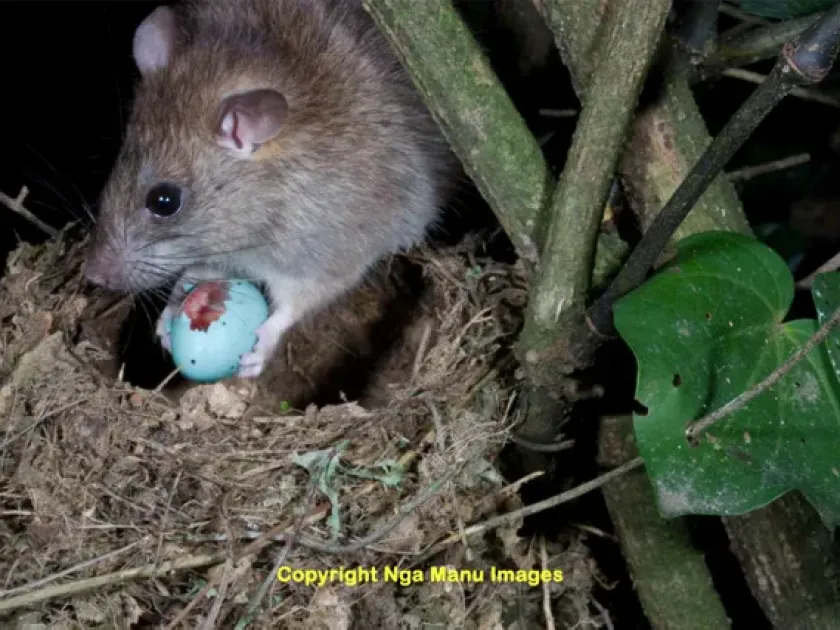
Description
How to identify
The Polynesian rat (Rattus exulans), also known as the Pacific rat, belongs to the Muridae family. It is a small rodent widely distributed across the Pacific and Southeast Asia.
Adults typically measure between 110 and 150 mm in body length. They are characterized by a pointed snout, relatively large ears, and a long tail covered in fine scales.
Their fur is generally brownish-gray on the upper body and lighter on the underside. Their physical build is adapted for both terrestrial movement and climbing trees.
As a highly adaptable species, they are active throughout the year in tropical climates. They prefer nocturnal activity, emerging from their burrows or nests in the dark.
The species has a high reproductive rate, allowing populations to rebound quickly. They build nests in trees, thick bushes, or man-made structures near agricultural fields.
What it damages
This rat is a significant agricultural pest that causes substantial damage to various crops, including sugarcane, rice, corn, and pineapple in island ecosystems.
They are notorious for gnawing on the stems of young plants, which can destroy an entire crop in the early growth stages if the infestation is not managed.
In coconut and oil palm plantations, they damage developing fruits, often consuming the endosperm, which leads to fruit fall and severe yield reductions.
Beyond direct feeding, they compromise the structural integrity of crops. Damaged stems are prone to wind breakage, and spoiled fruits are susceptible to fungal and bacterial infections.
In high-density populations, the economic impact is massive, sometimes resulting in the total loss of certain fruit segments or significant portions of grain harvests.
Signs of infestation
Common indicators of a Polynesian rat presence include teeth marks on fruits, seeds, and stalks, characterized by parallel grooves left by their sharp incisors.
The discovery of shredded plant material, such as leaves or stems used for nesting, combined with food debris left near the base of trees, points to an active colony.
Well-defined trails through tall grass or dense underbrush, frequently used by rats to travel between nesting and foraging areas, are reliable signs of their presence.
The presence of droppings near food sources or storage units is a clear warning sign that immediate monitoring or control measures should be initiated.
Observation of nests in tree cavities or thick vegetation, particularly during the evening hours, confirms that the rats are established in the area.
Control measures
Effective management of this pest requires an integrated approach that includes environmental sanitation and, if necessary, targeted lethal control.
Maintaining clean farm borders by removing piles of debris and overgrown vegetation limits the available hiding spots, forcing the rodents to leave the area.
Rodenticide bait stations, designed to minimize exposure to non-target species like birds or domestic pets, are a standard tool for managing large populations.
Physical barriers, such as metal bands or guards placed on the trunks of fruit-bearing trees, are highly effective in preventing rats from reaching the harvest.
Trapping programs using mechanical devices can reduce localized populations effectively, provided that traps are placed along established rodent trails and checked regularly.
Taxonomy
- Latin name
- Rattus exulans
- Order
- Rodents
- Family
- Muridae
- EPPO code
- RATTEX
Discussion
No discussions yet — be the first.