
Pyramidula rupestris
Pyramidula rupestris
Description
How to identify
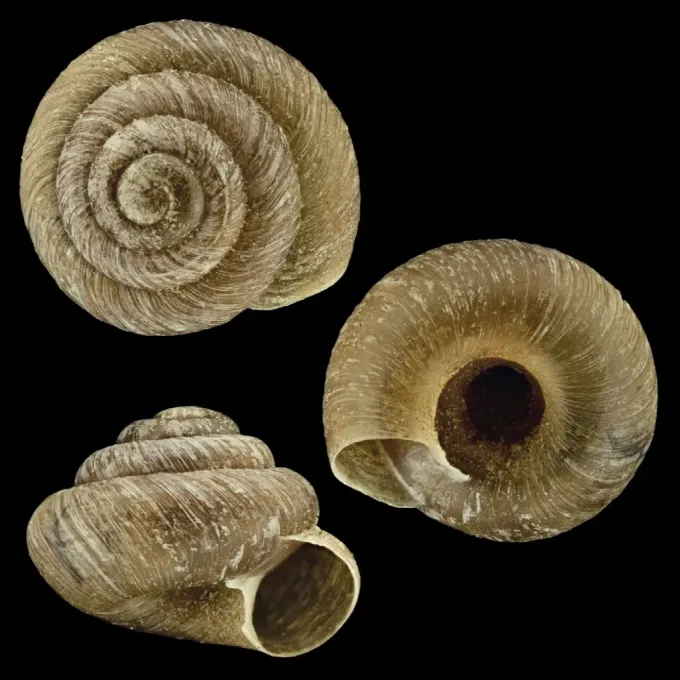
Pyramidula rupestris is a small land snail species belonging to the Pyramidulidae family. As the name suggests, its shell features a distinct pyramidal or conical shape, which distinguishes it from many other garden snails.
These snails are tiny, typically measuring only 2–3 millimeters in diameter. Due to their small size and earth-toned coloration, they are often overlooked by gardeners until significant plant damage becomes apparent.
They prefer humid and shaded environments, often hiding in rock crevices, beneath stones, or within the moist bark of trees. Their habitat is closely linked to moisture availability, which is essential for their activity.
The biology of Pyramidula rupestris includes a remarkable capacity for aestivation. During dry periods, they seal their shells to conserve moisture, remaining dormant until favorable conditions return.
As hermaphroditic organisms, they are highly capable of colonizing new areas rapidly. Their presence is often indicative of a consistently damp and undisturbed microclimate on the property.
What it damages
This pest feeds on a wide range of vegetation, including young vegetable seedlings, ornamental flowers, and tender sprouts. They are particularly destructive in early spring when plant tissues are most succulent.
Feeding damage is characterized by small, irregular holes in the leaf blades. In many cases, the snails also scrape away the epidermis of stems, which can weaken the plant and cause stunted growth.
In greenhouses and nursery settings, these snails can be highly problematic as they target the growth points of young plants, potentially causing permanent damage or total plant loss.
Beyond direct consumption, the feeding process creates entry points for various pathogens, including fungi and bacteria, which can lead to crown rot or damping-off disease in susceptible crops.
Their presence on plants can also facilitate the mechanical transmission of fungal spores, spreading infections throughout the garden or greenhouse environment.
When it appears
Activity begins in early spring as soon as soil temperatures rise above 10°C. Prolonged rainy periods significantly increase their movement and feeding activity across the garden.
During the summer, if the weather becomes hot and dry, the snails retreat into the soil or under dense mulch to avoid desiccation. However, regular irrigation can trigger increased activity throughout the season.
The population peak usually occurs between May and June, when weather conditions are most suitable for reproduction and larval development.
As autumn approaches, activity levels gradually decline as snails seek protected sites, such as foundations, piles of leaves, or beneath debris, to survive the winter months.
Environmental management of moisture levels is crucial, as the life cycle of Pyramidula rupestris is heavily dependent on the duration of damp conditions.
Signs of infestation
The most reliable sign of a Pyramidula rupestris infestation is the presence of shiny, dried mucus trails left on the surfaces of leaves, stems, or even pots and garden pathways.
Leaves showing irregular, jagged feeding holes are a common indicator. Unlike many chewing insects, snails usually leave behind small amounts of excrement at the site of feeding.
Turning over stones, bricks, or wet mulch often reveals clusters of these small snails, as they congregate in these locations to shelter during the daylight hours.
A decline in the vigor of seedlings, coupled with unexplained tissue loss, should trigger an inspection of the plant's base and the underside of leaves for these tiny mollusks.
Nighttime monitoring with a flashlight is the most effective way to identify the culprits, as they are primarily nocturnal and emerge from hiding to feed in the evening.
Control measures
Effective control starts with good cultural practices, such as frequent soil cultivation and weed management, which eliminate the damp hiding spots preferred by these snails.
Implementing physical barriers such as crushed eggshells, coarse sand, or gravel around susceptible plants can help deter movement, as these materials are abrasive to the snails' soft bodies.
- Application of molluscicides, preferably those based on iron phosphate, which are safer for pets and wildlife.
- Setting up "trap boards"—wet pieces of plywood or cloth left in the garden overnight, which can then be collected along with the snails sheltering underneath.
- Adjusting irrigation schedules to ensure that soil surfaces dry out between waterings.
- Promoting a healthy garden ecosystem that supports natural predators like hedgehogs, frogs, and carabid beetles.
When using chemical controls, it is essential to follow label instructions strictly and apply them during the evening when the snails are actively seeking food on the surface.
Taxonomy
- Latin name
- Pyramidula rupestris
- Order
- Molluscs
- Family
- Pyramidulidae
- EPPO code
- PYMDRU
Discussion
No discussions yet — be the first.