
Pyramidula
Pyramidula
Description
How to identify
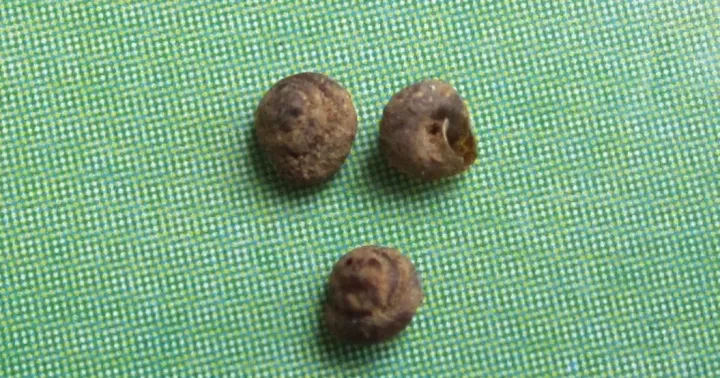
Pyramidula is a genus of tiny land snails belonging to the Pyramidulidae family. The shell is characterized by its distinct conical or pyramidal shape, from which the genus derives its name. Adult specimens are extremely small, rarely exceeding 2–3 millimeters in height, making them difficult to spot during casual inspection.
The shell color typically ranges from light horn to reddish-brown, often featuring fine striations. The snail's body is generally gray or whitish. Due to their minute size, they are frequently misidentified as juvenile individuals of larger snail species.
They prefer moist, shaded environments rich in organic debris. In agricultural fields, they are commonly found under fallen leaves, in layers of mulch, beneath stones, or within the dense root zone of plants where the microclimate remains consistently humid.
Reproduction occurs under high moisture conditions. Pyramidula snails are hermaphroditic, allowing for rapid population growth when environmental conditions are favorable. Their distribution efficiency is directly correlated with the availability of shelter and soil moisture levels.
Identification is hindered by their cryptic, nocturnal lifestyle. For accurate detection, it is recommended to use soil traps or conduct inspections during the evening hours when these pests become more active on the surface.
What it damages
Pyramidula snails can damage a wide variety of crops, including young vegetable seedlings, leafy greens, and ornamental plants. They are particularly destructive to seedlings in greenhouses and shaded garden beds.
The damage occurs as the snails scrape the epidermis of leaves and stems using their radula. This feeding habit creates characteristic small holes or "windows" in the tissue, which eventually leads to the wilting and death of young plants.
Beyond direct tissue destruction, these mollusks can act as vectors for fungal and bacterial plant diseases. The micro-wounds left on the leaf surfaces serve as entry points for various pathogens, leading to secondary infections.
Economic losses are highest in nurseries and areas with excessive moisture, where population density can reach significant levels. Under favorable humid conditions, they can decimate a large portion of a crop during its early development stages.
The severity of the damage also depends on plant spacing. In densely planted areas where moisture accumulates, the pest inflicts more substantial damage to the root system and the root collar of the plants.
When it appears
Activity for Pyramidula begins in early spring, as soon as soil temperatures rise above 5–8 degrees Celsius. During this period, they emerge from diapause and begin feeding actively on young shoots.
The summer period is the most critical if it is accompanied by frequent rainfall. Prolonged drought forces the snails to retreat into deeper soil layers or hide under plant debris, which reduces their activity on the surface.
In autumn, during the harvest and soil preparation phase, the pests migrate into the upper layers of the substrate or under organic mulch to prepare for winter. During this time, they continue to damage late-season vegetable crops.
Overwintering of both adults and juveniles occurs in the soil or under organic debris. They possess a high tolerance for temperature fluctuations, which allows them to successfully overwinter even in temperate climates.
To monitor seasonal activity, agronomists utilize indicator plots. If a massive emergence of young snails is observed in May, immediate measures to reduce moisture in the root zone are necessary.
Signs of infestation
The primary sign of infestation is characteristic leaf damage. The leaf blades appear eaten from the edges or show multiple small holes, resembling damage caused by chewing insects.
Traces of activity can be found on the soil surface and leaves in the form of dried, silvery mucus trails. This sign is particularly noticeable in the morning hours before the dew has fully evaporated.
Damage to the root collar of seedlings leads to wilting and yellowing. Careful inspection of the underside of lower leaves usually reveals the snails themselves, which hide there during daylight hours.
A large accumulation of organic debris or mulch creates an ideal environment for population growth. If you observe clusters of damp soil and tiny empty shells beneath the mulch, the risk of infestation is high.
In greenhouses, an additional sign is a specific rotting odor emanating from damaged plants that have been compromised by secondary infections following the pest's initial feeding.
Control measures
The primary method of control is agrotechnical management. It is crucial to perform timely weeding and remove excess plant debris that serves as shelter for Pyramidula snails.
It is recommended to avoid over-watering the soil. Drip irrigation is preferable to overhead watering, as it does not create excess moisture in the leaf canopy or on the soil surface.
Physical barriers are also effective on small plots. Applying wood ash, lime, or superphosphate around garden beds creates unfavorable conditions for the movement of these mollusks.
Biological control methods include encouraging natural predators such as hedgehogs, toads, and ground beetles. Maintaining biodiversity within the garden helps naturally suppress the pest population.
In critical cases, molluscicides based on iron phosphate are used. These products are considered more environmentally friendly than metaldehyde and, when applied correctly, demonstrate high efficacy in controlling Pyramidula populations.
Taxonomy
- Latin name
- Pyramidula
- Order
- Molluscs
- Family
- Pyramidulidae
- EPPO code
- PYMDSP
Discussion
No discussions yet — be the first.