
Ninespine stickleback
Pungitius pungitius
Description
How to identify
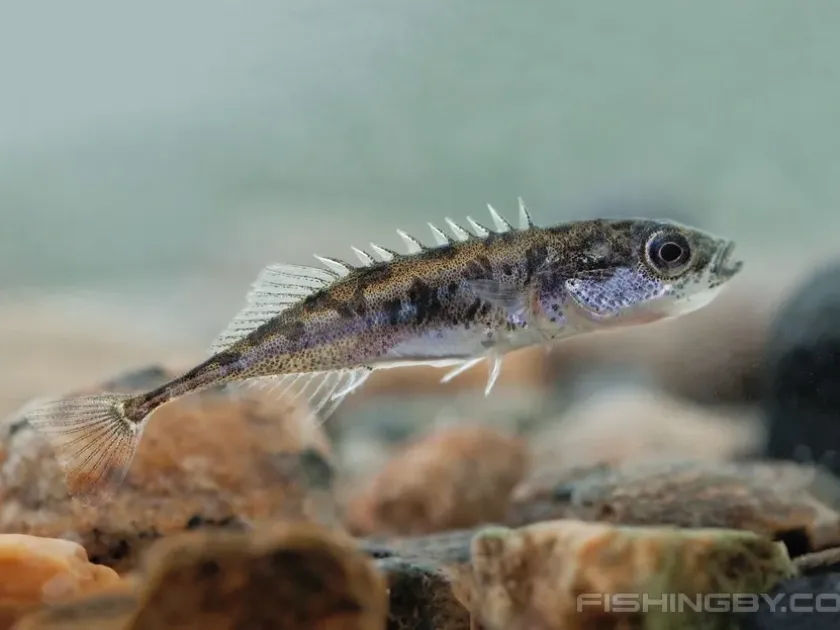
The ninespine stickleback is a small fish species belonging to the Gasterosteidae family. It is characterized by having nine independent dorsal spines ahead of the dorsal fin, which gives the species its common name and distinguishes it from other sticklebacks.
The body is slender and lacks scales, covered instead by bony plates. The color is typically brownish or olive with dark vertical bars, providing excellent camouflage in vegetation, which is its primary habitat for nesting and protection.
Adult specimens generally reach 5 to 9 centimeters in length. The caudal peduncle is notably thinner than that of the three-spined stickleback, serving as a diagnostic feature for identification in the field.
They are highly adaptable to various aquatic environments, including freshwater and brackish waters. Their ability to tolerate low-oxygen environments allows them to thrive in stagnant pond conditions where other species might struggle.
During the breeding season, males establish territories and build intricate nests using aquatic plants and their own secretions, further modifying the micro-environment within the pond.
What it damages
In commercial aquaculture, the ninespine stickleback is considered a significant pest. Its primary damage lies in direct competition with fry of economically important fish species for natural food resources such as zooplankton and benthic invertebrates.
This species is a voracious predator of fish eggs and larvae. Their ability to access dense plant cover where many juvenile commercial fish hide makes them a potent threat to the reproductive success of a fish farm.
Furthermore, the ninespine stickleback acts as an intermediate host for various parasites and trematodes. This biological role significantly increases the risk of parasitic outbreaks among the main stock, leading to decreased growth rates and potential mortality.
The economic loss manifests as reduced yield per hectare and higher costs for artificial feeds, as the stickleback intercepts a significant portion of the resources intended for the productive fish population.
If left unmanaged, the population can quickly explode, creating a permanent nuisance that requires intensive eradication efforts and potentially expensive cleaning of the entire pond system.
When it appears
The lifecycle and activity of the ninespine stickleback are heavily regulated by water temperature. As spring progresses and temperatures rise above 10 degrees Celsius, the fish enter their peak reproductive phase.
Summer months are characterized by the highest feeding activity. During this time, the stickleback populations exert maximum pressure on the pond ecosystem, severely depleting the forage base for juvenile cultured fish.
As temperatures drop in the autumn, the fish migrate to deeper areas of the water body to overwinter. They remain active enough throughout the cold season to continue causing pressure on the benthic environment, albeit at a lower metabolic rate.
Their life cycle is relatively rapid, allowing for multiple generations or rapid population recovery in a single season. This makes them a resilient pest that can easily bounce back after minor disturbances or incomplete eradication attempts.
Because they are tolerant of harsh winter conditions and ice-covered ponds, they are extremely difficult to eradicate through seasonal cooling or freezing of the water body, necessitating more robust intervention methods.
Control measures
The most effective method for controlling ninespine stickleback populations is the total drainage and subsequent desiccation of pond beds. This removes both the adults and the nesting material containing the eggs.
Mechanical control involves regular seining with fine-meshed nets. While labor-intensive, it is essential for keeping the population density below the threshold where it causes significant damage to commercial stocks.
Biological control, such as introducing predatory fish like pike, is highly effective. These predators naturally keep the stickleback population in check without the need for chemical intervention, maintaining a healthier ecosystem.
- Total pond drainage and drying
- Use of fine-mesh screening for intake water
- Introduction of pike or other predatory fish
- Regular removal via fine-meshed seine nets
- Strict quarantine of new fish stock
Prevention is the best strategy; ensure that the water supply to the production ponds is screened to prevent entry from wild populations. Constant monitoring of pond health and population dynamics is critical for sustainable aquaculture.
Taxonomy
- Latin name
- Pungitius pungitius
- Family
- Gasterosteidae
- EPPO code
- PUNGPU
Discussion
No discussions yet — be the first.