
Pseudohermenias
Pseudohermenias
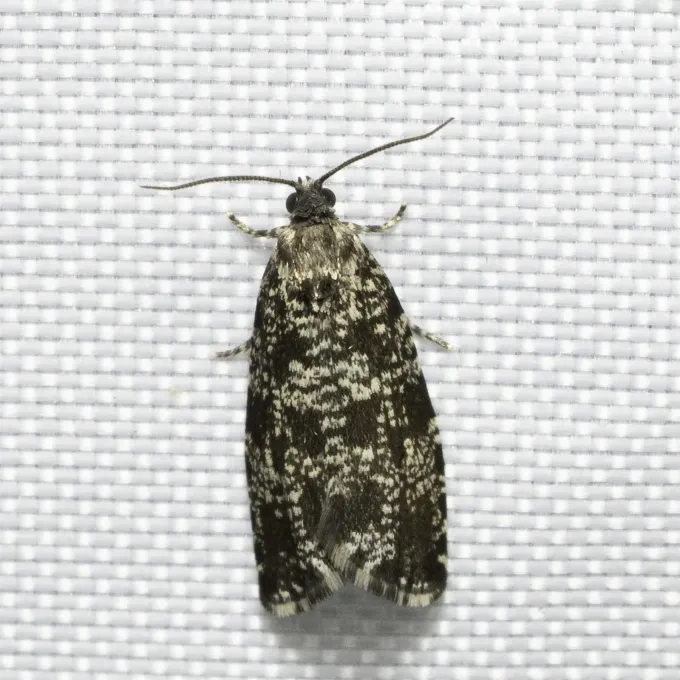
Description
How to identify
Pseudohermenias belongs to the Tortricidae family within the order Lepidoptera. These moths are typically small and often exhibit cryptic coloration, which helps them blend into tree bark or foliage, making them difficult to detect during the daylight hours.
The larvae, or caterpillars, of this genus undergo several developmental stages, often characterized by a distinct dark-colored head capsule. Their body coloration can shift from light yellow to shades of green or brown, depending on their diet and stage of development.
Adult moths are primarily nocturnal or crepuscular, meaning they are most active during dusk and dawn. Morphological identification to the species level is complex and often requires detailed examination of genital structures under a microscope.
The biology of Pseudohermenias is closely synchronized with local environmental factors, which determine the number of generations per season. Most species develop one or two generations, with development rates being heavily dependent on ambient temperatures.
Eggs are typically deposited on the surface of leaves, buds, or within bark crevices. Upon hatching, the young larvae are highly mobile and quickly seek out suitable feeding sites to begin their development.
What it damages
The primary hosts for Pseudohermenias include a variety of woody plants, shrubs, and deciduous trees. They are particularly problematic in nurseries and young orchards where succulent new growth is highly susceptible to feeding damage.
Larvae consume buds, emerging leaves, and sometimes fruitlets. They often spin webs to pull leaves together, creating a protected environment where they feed, which also shields them from potential predators and pesticide applications.
Damage results in reduced photosynthetic capacity, which weakens the plant’s overall physiological state. Severe infestations can lead to stunted growth of new shoots and, in extreme cases, the death of young saplings or weakened branches.
Feeding on buds can disrupt the plant's architecture, causing abnormal branching and deformation of the crown. This has significant economic impacts, especially in the production of ornamental trees or fruit saplings.
The economic threshold for intervention is usually exceeded when high concentrations of larvae are observed on young terminal growth. Monitoring is essential to prevent significant loss of annual wood growth.
When it appears
The emergence of the first generation is usually linked to the bud-burst phenological phase of host plants. This timing allows the larvae to immediately feed on high-protein tissues as soon as they hatch.
Peak feeding activity occurs throughout late spring and early summer, matching the period of rapid vegetative growth. This is the time when the pest is most active and visible in the canopy.
Adult flight periods can span several weeks, making it challenging to time interventions effectively. Favorable weather conditions, such as mild temperatures and high humidity, significantly accelerate the moth's reproductive cycle.
A second generation may develop in the mid-summer if conditions are optimal, posing an ongoing threat to secondary growth. This late-season activity can be particularly damaging to young, hardening shoots.
Overwintering typically occurs in the egg stage or as diapausing larvae hidden in protected niches, such as bark cracks or under leaf litter. This survival strategy ensures a quick start to the population cycle in the following spring.
Signs of infestation
The most prominent sign of infestation is the presence of webbed leaf clusters at the tips of shoots. These "nests" are highly visible and often contain the larvae or their frass.
Leaves exhibit ragged edges, irregular holes, or are entirely consumed, depending on the age of the larvae. The presence of dark excrement within the webbed areas is a diagnostic indicator of active feeding.
- Webbed nests on terminal shoots.
- Deformed or skeletalized leaves.
- Visible frass within damaged tissue.
- Stunted or blackened apical buds.
Adult moths can be detected by using light traps or pheromone-based traps in the evenings. These tools provide a clear indicator of the moth's presence and population pressure in a specific area.
In advanced stages, chlorosis or early senescence of damaged leaves may occur, further indicating that the larvae have compromised the vascular or structural integrity of the foliage.
Control measures
Cultural control methods involve regular inspection and manual removal of infested shoots during the early stages of the season. Pruning and destroying infected material helps to lower the localized pest population.
Biological control includes the use of Bacillus thuringiensis (Bt) based products, which are effective against young larvae while remaining safe for beneficial insects and the surrounding ecosystem.
Chemical control should be timed based on monitoring data, targeting the period when larvae hatch but have not yet constructed protective webs. Systemic insecticides can provide extended protection for sensitive crops.
Pheromone mating disruption techniques are increasingly used in commercial settings to keep population numbers below economic thresholds without relying solely on broad-spectrum pesticides.
Promoting a healthy ecosystem by encouraging native predators and parasitoids can assist in long-term suppression of the pest. Providing proper irrigation and nutrition keeps plants robust enough to tolerate minor damage.
Taxonomy
- Latin name
- Pseudohermenias
- Order
- Lepidoptera (butterflies)
- Family
- Tortricidae
- EPPO code
- QHERSP
Discussion
No discussions yet — be the first.