
Pseudogonatopus
Pseudogonatopus
Description
How to identify
Pseudogonatopus is a genus of wasps within the Dryinidae family, order Hymenoptera. These insects are well-known specialists that parasitize various leafhopper species (Cicadellidae).
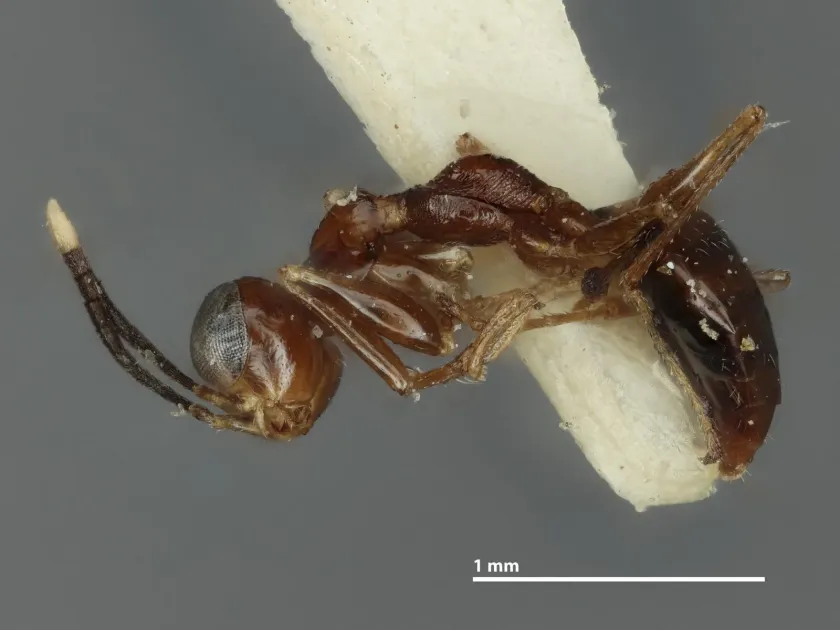
Adult females of this genus are often wingless and resemble small ants, making them distinct from other parasitic wasps. Their forelegs are equipped with pincer-like structures used to grasp hosts.
The biology of these insects revolves around the larvae, which develop either internally or within an external sac called a thylacidium attached to the host's abdomen.
The lifecycle is highly synchronized with the host's development. As specialized parasitoids, they detect hosts through chemical signals released by the leafhoppers or the plants they feed on.
Research into their life cycles is critical for understanding how they can be used effectively within biological pest management programs in various agricultural settings.
What it damages
The primary victims of Pseudogonatopus are leafhoppers, which are significant agricultural pests known for sucking sap and transmitting plant viruses to cereals and vegetables.
The damage caused by the parasitoid is primarily the mortality of the host. As the larva grows, it consumes the internal organs of the leafhopper, rendering the pest sterile and eventually killing it.
From an agronomic perspective, Pseudogonatopus is viewed as a beneficial insect. By reducing leafhopper numbers, it acts as a natural biological control agent in the field.
However, excessive proliferation of this parasitoid can sometimes lead to an imbalance in the predator-prey relationship, potentially affecting other beneficial organisms in the local ecosystem.
The impact is generally positive for farmers, as it lowers the overall pressure of sucking pests, thereby reducing the need for intensive insecticide applications.
Control measures
Direct control of Pseudogonatopus is rarely necessary or recommended, as they serve as natural allies in managing pest outbreaks in sustainable farming systems.
To preserve populations of these beneficial wasps, growers should minimize the use of broad-spectrum insecticides that are toxic to hymenopterans and other non-target beneficial species.
Integrated Pest Management (IPM) strategies are the most effective approach, focusing on habitat management and reduced-risk chemical interventions when absolutely necessary.
Maintaining field margins with diverse vegetation provides refuge for these wasps, ensuring their survival even during periods when the primary host populations are low.
- Avoid using harsh chemicals during peak wasp activity.
- Implement trap cropping to manage host distribution.
- Monitor beneficial insect populations as part of routine field checks.
Taxonomy
- Latin name
- Pseudogonatopus
- Order
- Hymenoptera
- Family
- Dryinidae
- EPPO code
- PSDGSP
Discussion
No discussions yet — be the first.