
Neodryinus typhlocybae
Neodryinus typhlocybae
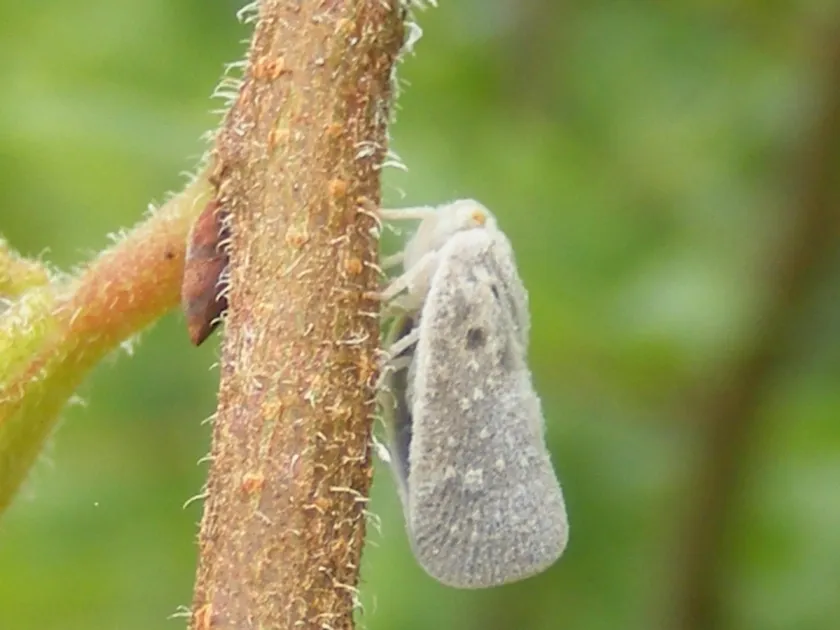
Description
How to identify
Neodryinus typhlocybae is a species of parasitoid wasp belonging to the Dryinidae family, known for its significant role as a biological control agent against various leafhoppers.
Adult females are small, agile wasps that display distinct hunting behaviors, using their specialized front legs to capture and manipulate their hosts efficiently.
The life cycle involves the female wasp laying eggs inside the body of leafhopper nymphs, where the larva develops as a specialized internal and external parasite.
These wasps are highly regarded in agricultural research for their extreme host specificity, focusing primarily on invasive or damaging leafhopper species.
Morphologically, they are adapted to mimic the environment in which they live, allowing them to effectively navigate foliage while searching for their target hosts.
What it damages
It is crucial to note that Neodryinus typhlocybae is not a plant pest; rather, it is a highly beneficial insect that functions as a natural enemy of agricultural pests.
The insect does not consume plant matter; instead, it relies on leafhopper nymphs for its larval development, thereby reducing pest populations naturally.
In vineyards and fruit orchards, this wasp actively targets species like the flatid planthopper, which are known to cause damage by sucking plant sap and transmitting diseases.
By parasitizing the nymphs, the wasp prevents the next generation of pests from reaching maturity, which naturally preserves the plant's health.
Therefore, its presence is a sign of a robust and self-regulating ecosystem that requires minimal intervention to maintain crop productivity.
When it appears
The activity period of Neodryinus typhlocybae is closely synchronized with the seasonal development of its leafhopper hosts, typically spanning from late spring to early autumn.
As temperatures rise, the wasps emerge from their overwintering cocoons to start their search for hosts, ensuring a continuous biological check on pests.
During peak summer months, population density increases significantly, matching the infestation cycles of the leafhoppers that inhabit various ornamental and fruit trees.
In late autumn, the larvae complete their development and create hardy cocoons, which are strategically placed on tree bark or foliage to survive the winter dormant phase.
Environmental conditions, particularly humidity and temperature, play a vital role in determining the speed of their development and the number of annual generations.
Signs of infestation
The most distinctive sign of Neodryinus typhlocybae activity is the presence of white, oval-shaped cocoons attached to the undersides of leaves or twigs.
Parasitized leafhopper nymphs often appear lethargic or remain fixed to the leaf surface, indicating that they are currently serving as hosts for the wasp larvae.
A noticeable decline in the number of active, healthy leafhoppers on a plant is a strong indicator of successful colonization by these beneficial parasitoids.
Gardeners and agronomists may observe the adult wasps patrolling foliage during bright, sunny days, which is their typical hunting behavior.
The absence of leafhopper-related symptoms like sticky honeydew or foliage discoloration suggests effective regulation by this beneficial insect population.
Control measures
Since Neodryinus typhlocybae is a beneficial parasitoid, management strategies should focus on preservation and habitat enhancement rather than eradication.
The use of broad-spectrum insecticides should be strictly avoided in areas where these wasps are present to maintain the integrity of natural biological controls.
Providing flowering plants as nectar sources helps sustain the adult wasps, encouraging them to remain in the garden and continue their pest control activities.
Implementing integrated pest management (IPM) practices allows farmers to utilize the services of these wasps to reduce reliance on synthetic chemicals.
If chemical application is necessary to control other unrelated pests, selecting selective pesticides that are non-toxic to wasps is essential for long-term ecological balance.
Taxonomy
- Latin name
- Neodryinus typhlocybae
- Order
- Hymenoptera
- Family
- Dryinidae
- EPPO code
- NEDYTY
Discussion
No discussions yet — be the first.