
Pseudocneorhinus
Pseudocneorhinus
Description
How to identify
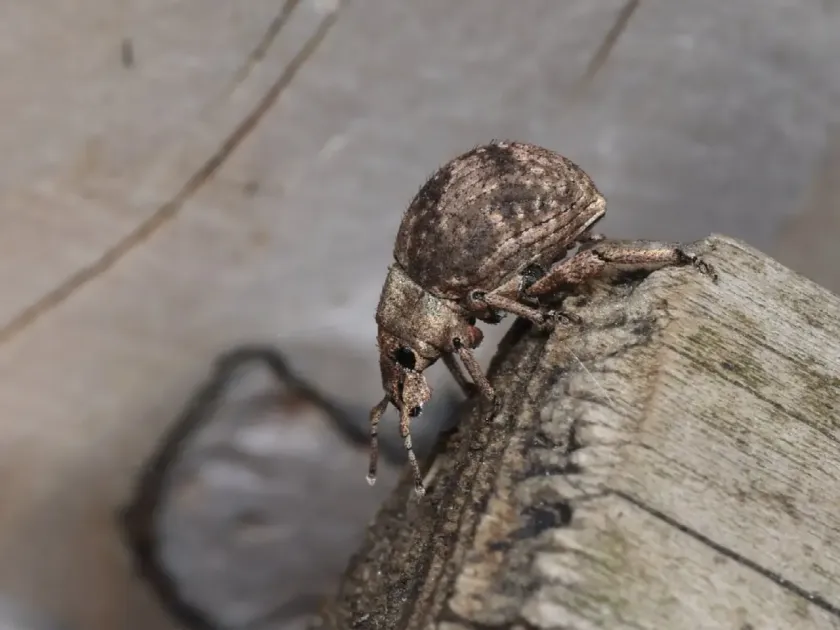
Pseudocneorhinus is a genus of snout beetles belonging to the Curculionidae family, which are known for their elongated snouts and robust, armored bodies.
These weevils are characterized by a compact body shape covered with dense scales, providing them with effective camouflage against bark, stones, or soil surfaces.
The larvae, which reside in the soil, are legless, C-shaped, and creamy-white in color, specifically adapted to feed on the root systems of various host plants.
Adults exhibit a defensive behavior known as thanatosis, where they drop to the ground and remain motionless when threatened, effectively blending in with their surroundings.
Reproduction typically occurs during the warmer months, with females depositing eggs in the soil, which leads to larval development near the plant's root system.
What it damages
This pest is a significant polyphage, causing considerable damage to a wide variety of ornamental shrubs, perennial plants, and some tree species.
The adult weevils are primarily responsible for the characteristic leaf damage, chewing irregular, jagged patterns along the margins of leaves, which ruins the foliage's aesthetics.
Root system damage caused by the larvae is equally severe, often leading to reduced vigor, stunted growth, and susceptibility to secondary infections or environmental stress.
In cases of high infestation, the cumulative effect of root destruction and defoliation can lead to the death of the host plant, especially in young nursery stock.
Because the damage is often distributed across the root zone, affected plants may show signs of yellowing or wilting even if they appear healthy from a superficial observation.
When it appears
Adult Pseudocneorhinus emerge from their overwintering sites in the soil during the early spring as temperatures begin to rise consistently.
The peak period of feeding activity occurs during late spring and early summer, when the foliage is soft and provides optimal nutritional value for the insects.
The pests are primarily nocturnal, making them difficult to detect during standard daytime inspections of the garden or nursery environment.
Winter is spent in the adult stage within the soil, allowing the population to survive harsh temperatures and remain ready for activity as soon as the spring thaw begins.
The life cycle is largely synchronized with the growth of host plants, ensuring that larval feeding starts at a time when root growth is most active.
Signs of infestation
The most visible symptom of an infestation is the presence of distinctive, jagged notches along the leaf margins, often called "saw-tooth" damage.
Unexplained wilting or stunted growth, particularly in containerized plants or newly transplanted shrubs, strongly indicates root-level activity of the larvae.
A reliable sign of presence is the discovery of adult weevils on the underside of leaves or hiding in the debris at the base of the plant during night surveys.
- Deep indentations and jagged margins on leaves.
- General loss of plant vigor and yellowing of the foliage.
- The presence of larvae in the root zone during soil cultivation or excavation.
If you suspect an infestation, placing a light-colored cloth under the branches and shaking them at night can reveal the presence of adult weevils.
Control measures
Effective management requires an integrated approach, starting with good sanitation practices such as clearing debris where adults might hide.
Mechanical control, including night-time manual collection and the use of physical barriers, can significantly reduce the adult population in smaller garden settings.
Chemical control involving contact-based insecticides should be applied during the evening hours to maximize the effectiveness against these nocturnal feeders.
For larval control, the application of systemic soil insecticides or entomopathogenic nematodes can target the pests in the root zone, preventing root damage.
Nursery managers should prioritize quarantine protocols and inspections to prevent the introduction of this pest into clean areas via soil or infested plant stock.
Taxonomy
- Latin name
- Pseudocneorhinus
- Order
- Coleoptera (beetles)
- Family
- Curculionidae
- EPPO code
- PCNRSP
Discussion
No discussions yet — be the first.