
Pseudexentera
Pseudexentera
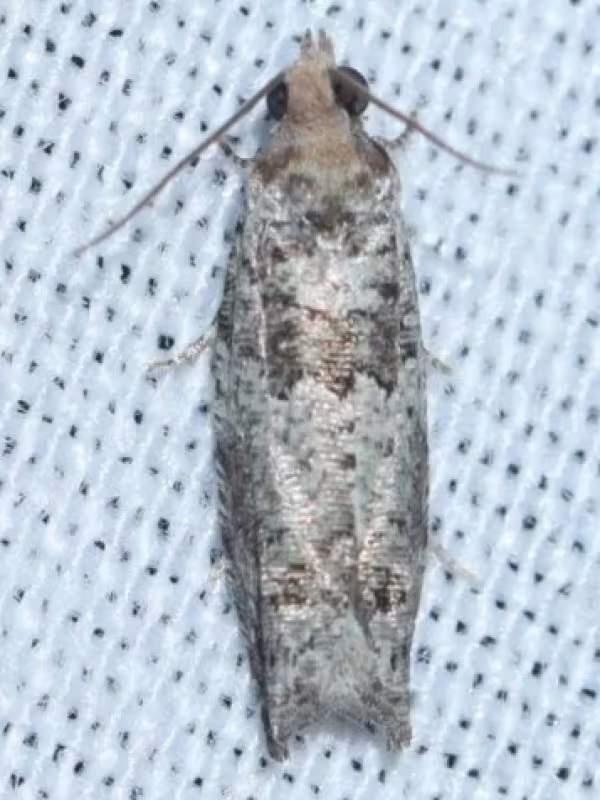
Description
How to identify
Pseudexentera is a genus of moths belonging to the Tortricidae family. The adult moths are generally small and possess a cryptic coloration that allows them to blend in perfectly with tree bark.
The larvae are typically characterized by a yellowish to greenish body color and a dark, sclerotized head capsule, which is a common trait among many leafroller species.
These larvae are highly active and exhibit a characteristic defensive behavior, dropping from the leaves on a silken thread when disturbed by external vibrations or predators.
Identification of specific species within the genus is often difficult based on external morphology alone, frequently requiring microscopic analysis of genitalia to distinguish between closely related taxa.
The pupae are typically found hidden within rolled leaves or deep crevices of the bark, protected by a dense, silken cocoon that provides insulation against environmental fluctuations.
What it damages
The pest primarily targets fruit-bearing trees, with a strong preference for members of the Rosaceae family, including apples, pears, and various stone fruits.
Early-stage larvae cause the most significant damage by feeding on expanding buds and developing foliage at the start of the spring season, hindering initial growth.
In cases of severe infestation, the larvae may also bore into developing fruit buds or young fruitlets, which directly reduces the marketable quality and total yield of the crop.
Affected buds often fail to open correctly, resulting in deformed growth patterns and a stressed tree canopy that is less capable of productive photosynthesis.
Furthermore, the damaged plant tissues serve as infection sites for various opportunistic fungal and bacterial pathogens, leading to secondary plant health issues.
When it appears
The flight period for most Pseudexentera species typically begins in early spring, often coinciding with the initial warming trends after the winter dormancy period.
Larval emergence is highly synchronized with the phenology of the host plant, particularly the bud break stage, ensuring an immediate food supply for the newly hatched larvae.
During the summer months, the developmental rate can vary, with some species entering a period of dormancy or diapause to survive extreme heat or unfavorable conditions.
Pupation generally occurs as spring transitions into summer, marking the conclusion of the larval stage and the transition into the reproductive phase of the life cycle.
These insects typically overwinter in the egg stage, with females depositing eggs into bark crevices and near dormant buds to ensure survival through the cold season.
Signs of infestation
The primary sign of infestation is the appearance of buds that are webbed together with silk, preventing them from unfolding normally as the season progresses.
Fine, dark granular droppings (frass) left on the surface of leaves and surrounding the buds provide clear evidence of active larval feeding and infestation density.
Visual evidence often includes skeletonized leaves, where the larvae have consumed the soft mesophyll tissue while leaving the more robust leaf veins intact.
Rolled or tied leaves, forming small shelters or nests at the tips of shoots, are classic indicators of leafroller activity within the orchard canopy.
If significant numbers of developing fruitlets drop prematurely, it may indicate that larvae have bored into the tissue, serving as a warning sign of a severe pest problem.
Control measures
Cultural control measures include the removal of old, loose bark from tree trunks during the dormant season, which helps eliminate overwintering sites for the pest.
Monitoring using pheromone-baited traps is essential for tracking population levels and timing insecticide applications to coincide with the most vulnerable life stages.
Chemical control should be strategically applied during critical periods, such as the green tip stage or post-bloom, utilizing insecticides that balance efficacy with safety.
Biological control alternatives, including the application of Bacillus thuringiensis, provide an effective way to manage larvae while minimizing impact on beneficial predatory insects.
- Apply systemic insecticides to target larvae before they enter protected leaf rolls.
- Encourage natural predators by maintaining diverse habitat edges around the orchard.
- Prune and destroy severely infested shoots to reduce the localized pest population.
Taxonomy
- Latin name
- Pseudexentera
- Order
- Lepidoptera (butterflies)
- Family
- Tortricidae
- EPPO code
- PSEXSP
Discussion
No discussions yet — be the first.