
Pseudanthonomus
Pseudanthonomus
Description
How to identify
Pseudanthonomus is a genus of weevils belonging to the Curculionidae family, known for their specific interaction with various fruit and berry-bearing plants.
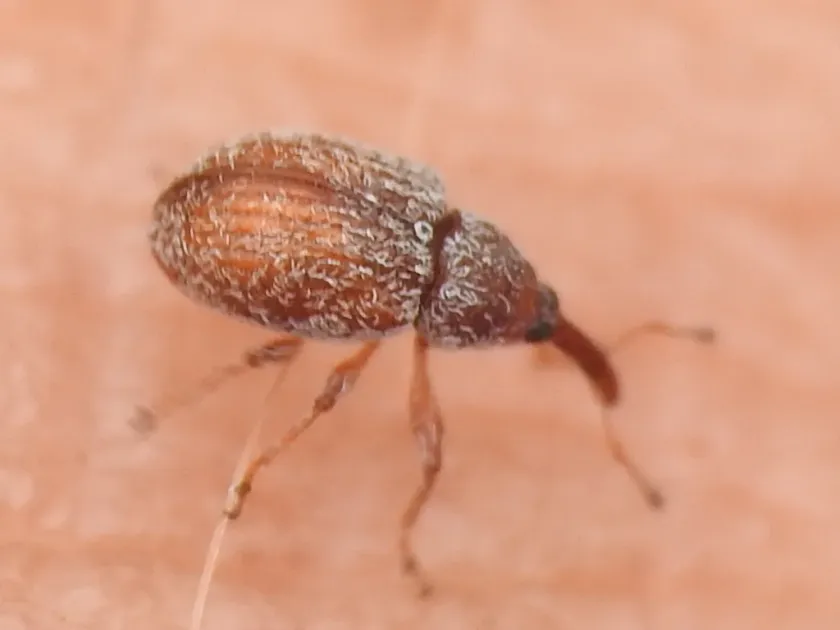
These beetles are characterized by a small body size, usually ranging from 2 to 4 millimeters, and a distinctly elongated rostrum (snout) typical of the Curculioninae subfamily.
Their coloration is generally mottled or brownish, providing camouflage against the bark and stems of host plants, which makes them difficult to detect without careful inspection.
The larvae are legless, C-shaped grubs, typically white or cream-colored, which reside and feed hidden inside the developing floral or fruit tissues.
Taxonomically, this genus belongs to the tribe Anthonomini, which includes several important agricultural pests that feed primarily on the reproductive organs of Rosaceae plants.
What it damages
The primary hosts for Pseudanthonomus include various berry crops, such as raspberries, blackberries, and related species within the Rosaceae family.
Adult beetles cause damage by feeding on buds and young foliage, which can lead to stunted growth and reduced vigor of the host plant during the early spring season.
The most significant damage is caused by the larvae, which burrow into flower buds and developing berries, hollowing them out and preventing normal fruit formation.
Infested buds often dry up and fall off, causing direct yield losses that can be substantial in years with high pest population densities in the orchard.
Additionally, the feeding activity can introduce secondary pathogens or lead to tissue necrosis, further degrading the health and quality of the berry crop harvest.
When it appears
Overwintered adults emerge from dormancy during the early spring, coinciding with the initial stage of bud swell and leaf emergence on the host plants.
The mating and egg-laying processes occur predominantly during the pre-blooming phase, as the availability of flower buds is crucial for the survival of the next generation.
The developmental cycle from egg to adult is relatively fast, allowing the population to complete its life cycle before or during the peak of the harvest season.
After the reproductive period, new adults may feed on leaves before seeking overwintering sites in the soil or protected areas under plant debris as temperatures drop.
Temperature fluctuations are a key driver in the life cycle, with warmer spring weather often leading to earlier emergence and higher infestation potential for fruit buds.
Signs of infestation
A key indicator of an infestation is the presence of small, puncture-like wounds on the surface of flower buds, created by the female weevil during oviposition.
Premature yellowing, browning, or shedding of flower buds before they open is a classic sign of internal larval feeding damage that disrupts the bud's development.
Small, irregular holes on the leaves indicate the presence and feeding activity of adult beetles, especially during the early stages of spring growth.
If you suspect an infestation, you can place a white sheet under the canopy and gently shake the branches; this will often dislodge adult beetles for identification.
A noticeable decline in fruit set, combined with the presence of withered, hanging buds on the canes, strongly suggests an active Pseudanthonomus infestation.
Control measures
Sanitation is a vital cultural control method: removing and destroying infested buds and plant debris helps reduce the overwintering population of the weevils.
Cultivation of the soil around the base of bushes during the pupation period can disrupt the life cycle and kill developing larvae and pupae within the soil.
Biological control options, such as using entomopathogenic nematodes or fungal biopesticides, can be effective in reducing adult populations without chemical residue.
Targeted chemical applications should be timed carefully, ideally applied just before the flower buds open to protect the floral organs from egg-laying damage.
Always rotate insecticide active ingredients and follow integrated pest management (IPM) guidelines to minimize the risk of developing chemical resistance in the pest population.
Taxonomy
- Latin name
- Pseudanthonomus
- Order
- Coleoptera (beetles)
- Family
- Curculionidae
- EPPO code
- PSDNSP
Discussion
No discussions yet — be the first.