
Protostrophus
Protostrophus
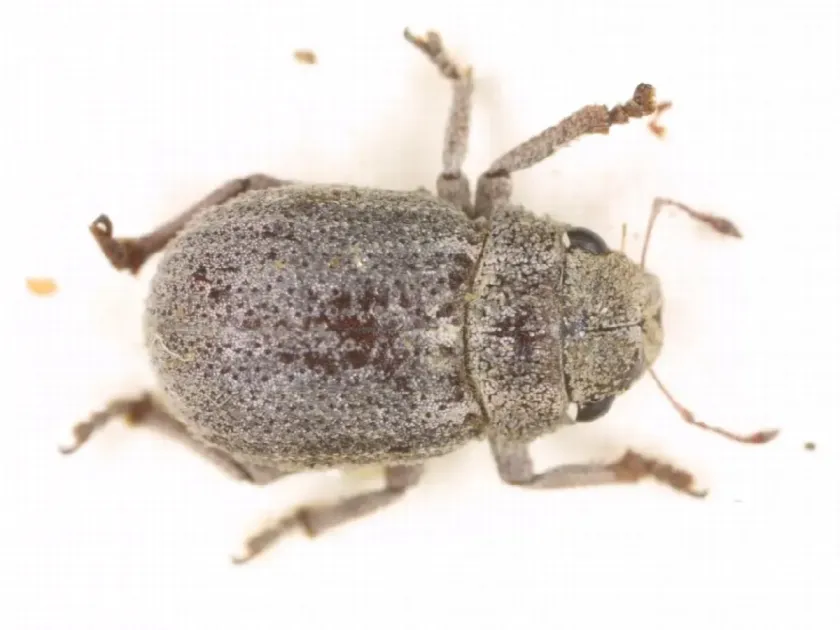
Description
How to identify
Protostrophus is a genus of weevils (family Curculionidae) within the order Coleoptera. These beetles are characterized by a short rostrum and a body covered with fine scales, which typically provide a grey, brown, or mottled appearance.
The adult weevils are hardy insects capable of moving quickly across the soil surface. Their cryptic coloration acts as camouflage, making them difficult to spot against the backdrop of the soil during the daytime.
The larvae, which are white and have a C-shaped body, develop primarily within the soil. They are subterranean feeders, focusing on the root systems of various host plants throughout their development stages.
Adults are primarily ground-dwelling insects. While they possess wings, many species within this genus fly infrequently, preferring to move by walking, which results in localized infestation patterns within agricultural fields.
A notable behavior of Protostrophus is the reflex of feigning death (thanatosis). When disturbed, they drop from the plant onto the soil and remain motionless, blending perfectly with the dirt.
What it damages
Protostrophus species are polyphagous, attacking a wide range of agricultural crops. Seedlings of cereals, legumes, sunflowers, and various vegetables are particularly vulnerable during their early growth stages.
Adult beetles feed on leaf margins, creating characteristic jagged or scalloped edges. Severe infestations can lead to significant loss of leaf area, which is detrimental to the survival of young seedlings.
Larvae cause subterranean damage by feeding on root systems. By pruning or completely severing the roots, they weaken the plants, leading to stunted growth, yellowing, and potentially plant death.
The impact of Protostrophus is most critical during the seedling emergence phase. The loss of points of growth or severe root damage often results in sparse crop stands, requiring replanting and increasing production costs.
The combined pressure of adult feeding on foliage and larval feeding on roots makes this genus a formidable pest in intensive farming systems, requiring strict monitoring and management.
When it appears
The activity of overwintered adults typically begins in spring, as soon as the soil temperatures reach levels conducive to insect activity. This period frequently aligns with the emergence of crop seedlings.
Mass appearance of the weevils is observed throughout the spring, which is the most critical window for crop protection. During this time, adults are highly active, feeding and seeking sites for oviposition.
Larval development occurs throughout the summer months within the soil. During this stage, larvae feed extensively, preparing for the subsequent life cycle phases as the season progresses towards autumn.
As temperatures begin to drop in the autumn, the insects undergo physiological changes to prepare for overwintering. They burrow deeper into the soil to escape the harsh winter cold.
Seasonal management plans must account for the initial spring peak, as the synchronization between pest activity and seedling development dictates the level of potential crop loss.
Signs of infestation
The most reliable sign of a Protostrophus infestation is the presence of characteristic scalloped feeding marks on the edges of young leaves or cotyledons.
Patches of sparse or wilting seedlings are common signs of larval damage to the root system. Affected plants are often easily pulled from the soil due to root destruction.
Observing the base of plants during early morning or late evening hours often reveals the presence of adult beetles, which can be easily confirmed through visual inspection of the soil.
- Scalloped edges on leaves and cotyledons.
- Uneven crop emergence and visible bare spots in the field.
- Stunted plant growth and signs of moisture stress despite adequate irrigation.
- Presence of greyish or brown beetles around the plant base.
Infestations often originate at the edges of fields bordering areas with high weed density, as these serve as essential reservoirs for the population to multiply.
Control measures
Effective control starts with proper pre-sowing soil cultivation, which disrupts larval habitats and exposes insects to environmental extremes and natural predators.
The elimination of weeds in and around the field is crucial, as weeds provide both a food source for adults and breeding grounds for the population to thrive.
Seed treatment with systemic insecticides is a highly effective method for protecting seedlings from both adult and larval damage during the initial, most vulnerable phase of growth.
Foliar insecticide applications can be utilized if monitoring detects that beetle population thresholds have been exceeded, preventing further destruction of the crop canopy.
Good agricultural practices, including crop rotation and maintaining adequate soil fertility to promote rapid plant growth, help plants overcome early-stage pest damage more effectively.
Taxonomy
- Latin name
- Protostrophus
- Order
- Coleoptera (beetles)
- Family
- Curculionidae
- EPPO code
- PROOSP
Discussion
No discussions yet — be the first.