
Proteoteras
Proteoteras
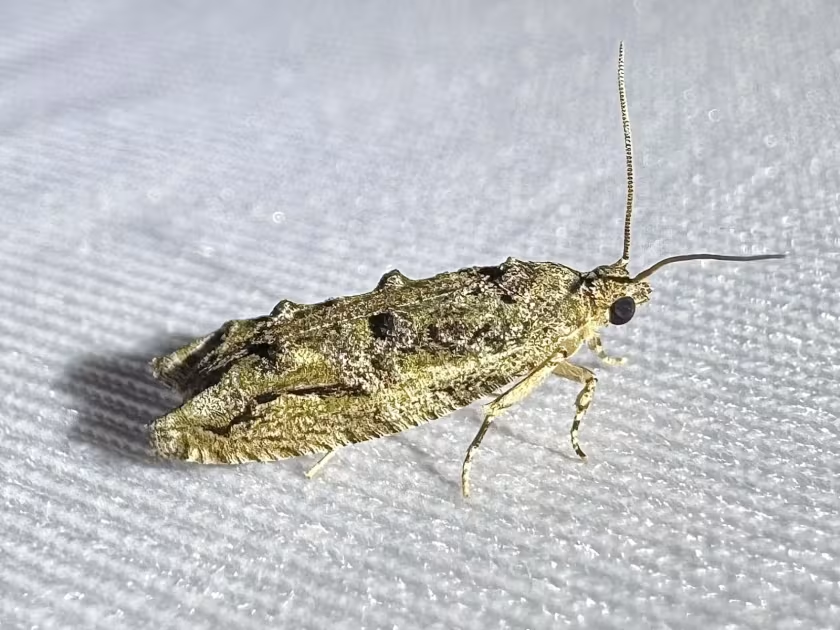
Description
How to identify
The genus Proteoteras belongs to the Tortricidae family. These small moths are often camouflaged with gray or brown patterns, allowing them to blend into tree bark during the day.
The larvae are typically pale green with dark head capsules. They are known for their habit of tunneling into plant tissues, which hides them from birds and other predators.
Pupation usually occurs within the tunnels made by the larvae or inside rolled leaf shelters, providing further protection for the insect.
Their life cycle is highly adapted to the host plant's phenology, with development phases timed to match the availability of tender new shoots.
Identifying this pest often requires observing the unique damage patterns left on the host trees, as the moths themselves are nocturnal and rarely seen.
What it damages
The primary hosts for Proteoteras are species of Maple (Acer). These pests can significantly impact the health and aesthetic value of urban and forest maples.
Larvae bore into terminal shoots and leaf petioles, causing structural damage that inhibits normal growth and can lead to dieback.
The destruction of terminal buds causes the plant to lose its apical dominance, leading to distorted, bushy, or stunted growth patterns.
Infested tissues often become sites for secondary infections by fungi, which can spread and cause more damage than the insect itself.
Heavy infestations can lead to premature leaf drop and overall vigor loss, making the tree more susceptible to environmental stressors.
When it appears
Adult moths typically emerge in late spring, aligning their reproduction with the flush of new growth on maple trees.
Eggs are laid near buds or on young leaves, and hatching larvae quickly begin boring into the plant tissue for protection and food.
The period of most severe damage occurs throughout late spring and early summer when larval feeding activity is at its peak.
The overwintering stage varies by species, with many larvae or pupae tucked away in protected crevices of the tree or within plant debris.
Environmental conditions, such as temperature and humidity, play a crucial role in the speed of the life cycle and the success of larval development.
Signs of infestation
The most noticeable sign of a Proteoteras infestation is the flagging or drooping of young, tender shoots that eventually turn brown and die.
Silk webbing is often present where leaves have been tied together or where a shoot has been damaged, serving as a larval shelter.
Minute exit or entry holes may be visible on stems or at the base of leaf petioles, accompanied by small amounts of larval frass.
- Withered, dead tips of new branches.
- Leaves tied together with fine silk webbing.
- Distorted, stunted, or broom-like growth at the branch tips.
- Premature yellowing and loss of foliage during the growing season.
A closer inspection often reveals the larvae inside the affected shoot, which is the most definitive confirmation of the pest's presence.
Control measures
Sanitation is a critical control measure; prune and destroy infested shoots as soon as they are detected to prevent further spread.
Biological control agents, including parasitic wasps and entomopathogenic bacteria, can help maintain pest populations at manageable levels.
Targeted insecticide applications should be timed to coincide with the hatch of the first-instar larvae before they successfully bore into the stems.
Maintaining tree vigor through proper irrigation and fertilization helps trees better recover from the physical damage caused by the larvae.
Pheromone traps are highly effective for monitoring adult moth populations, allowing for precise timing of chemical or biological treatments.
Taxonomy
- Latin name
- Proteoteras
- Order
- Lepidoptera (butterflies)
- Family
- Tortricidae
- EPPO code
- PRTESP
Discussion
No discussions yet — be the first.