
Proeulia triquetra
Proeulia triquetra
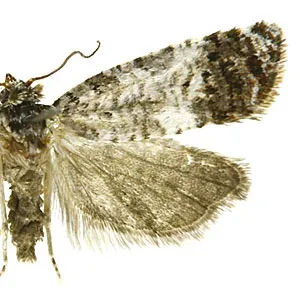
Description
How to identify
Proeulia triquetra belongs to the Tortricidae family, order Lepidoptera. This species is recognized as a significant agricultural pest, particularly known for its impact on fruit and vine crops across temperate regions.
Adult moths have a wingspan of approximately 15–20 mm. Their forewings feature complex patterns and colors that provide camouflage against bark and leaves, making them difficult to detect during daylight hours.
The life cycle encompasses egg, larva, pupa, and adult stages. Larvae undergo multiple instars, during which they increase in size and significantly ramp up their feeding activity on host plants.
Pupation typically occurs within folded leaves or silken cocoons, which serve as a protective barrier against natural predators and harsh environmental conditions.
Depending on local temperature conditions, the species can produce several overlapping generations annually, which complicates control efforts and requires constant monitoring.
What it damages
The primary hosts of Proeulia triquetra are grapevines and various deciduous fruit trees. The larvae are notorious for damaging leaves, buds, and developing fruit, causing both physiological and economic harm.
Feeding damage by larvae directly reduces the plant's photosynthetic capacity by destroying foliage, which negatively impacts the overall vigor and productivity of the affected crop.
The damage to fruit is particularly critical, as it leads to significant cosmetic defects and increases the risk of secondary pathogen entry, such as fungi causing bunch rot in vineyards.
In commercial agriculture, the presence of these larvae on export commodities often triggers strict phytosanitary measures, leading to potential loss of market access for producers.
Widespread infestations can lead to substantial yield reductions if left unmanaged, as the larvae continuously feed throughout their developmental stages until they pupate.
Signs of infestation
The most distinctive sign of an infestation is the presence of curled or rolled leaves webbed together with fine silk, creating a concealed shelter for the developing larvae.
Visible damage to shoot tips and young leaves often leads to stunted growth or deformed development of branches, which can be observed during regular orchard inspections.
Necrotic lesions or irregular feeding scars on grape berries indicate the active feeding of larvae, which significantly lowers the quality of the harvested fruit for both fresh consumption and wine production.
Egg masses, typically found on the underside of leaves and appearing as small, flat, tile-like clusters, are early warning signs that should trigger immediate scouting activities.
The accumulation of frass (larval excrement) within the silken webbed nests is a clear indicator of a thriving colony and confirms the need for immediate intervention.
Control measures
Effective management relies heavily on integrated pest management (IPM) practices, starting with the use of pheromone traps to monitor adult moth populations and determine optimal timing for treatments.
Chemical control is most effective when applied against early-stage larvae before they create protective rolled leaf structures, which significantly reduces the efficacy of contact insecticides.
Sanitation practices, including the careful removal and destruction of heavily infested plant materials, are essential to reduce the overall overwintering population of the pest.
Biological control, including the release of specific egg parasitoids or the use of microbial insecticides like Bacillus thuringiensis, helps maintain populations below economic injury levels.
- Monitor flight activity using pheromone traps.
- Apply insecticides during the peak larval emergence period.
- Practice regular sanitation to remove overwintering sites.
- Encourage beneficial insect populations in the field.
Taxonomy
- Latin name
- Proeulia triquetra
- Order
- Lepidoptera (butterflies)
- Family
- Tortricidae
- EPPO code
- PEULTR
Discussion
No discussions yet — be the first.