
Proeulia chrysopteris leafroller
Proeulia chrysopteris
Description
How to identify
Proeulia chrysopteris is a species of moth belonging to the family Tortricidae, commonly known as leafrollers. These insects are significant pests in agricultural settings, particularly within orchards where they can cause extensive damage if left unmanaged.
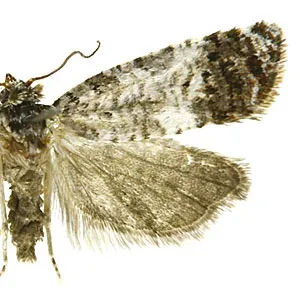
The adult moth is characterized by its specific wing pattern and coloration, which provides effective camouflage against tree bark. Identification of the species often relies on morphology or pheromone trap capture analysis by agricultural experts.
The larval stage, or caterpillar, is the primary focus for pest control efforts. As the larvae grow, they progress through several instars, each presenting distinct physiological and behavioral characteristics that assist in field identification.
This species typically undergoes a complete metamorphosis, including egg, larval, pupal, and adult stages. The timing and duration of these stages are heavily influenced by local environmental conditions and the availability of host plants.
Systematically, Proeulia chrysopteris is part of the order Lepidoptera. Their biology is well-adapted to surviving the winters of temperate regions, often entering diapause as larvae in protected environments on the host tree.
What it damages
Proeulia chrysopteris primarily infests various fruit trees, causing damage to foliage and developing fruit. Their feeding habits make them a concern for both commercial fruit production and home orchard management.
During the early spring, larvae feed on developing buds, which can lead to stunted growth or complete loss of potential blooms. This early-season damage is particularly detrimental as it directly impacts the orchard's overall productivity.
Later in the season, larvae bind leaves together with silk, creating protective shelters known as «leaf rolls». Inside these structures, they feed on leaf tissue, leading to defoliation and reduced photosynthetic efficiency of the tree.
Fruit damage is another significant issue, as larvae may feed on the surface of the fruit. This feeding creates unsightly scars and scabs, making the fruit unmarketable and susceptible to secondary decay caused by fungi or bacteria.
In cases of severe infestation, the cumulative effect of foliage and fruit damage weakens the tree, leading to poor vigor and increased susceptibility to other environmental stressors, such as diseases or harsh weather conditions.
When it appears
The life cycle of Proeulia chrysopteris is tightly linked to the seasonal phenology of its host plants. Overwintering occurs during the larval stage, typically tucked away under loose bark or in branch crevices.
Spring activity commences as temperatures rise, signaling the larvae to exit their winter shelters and begin feeding on newly formed buds. This is a critical time for monitoring and early intervention to protect the crop.
Throughout the summer, multiple generations may be produced, depending on climate and regional conditions. The overlap of different generations can sometimes make management difficult, as various life stages might be present simultaneously.
The flight period of adult moths typically occurs during the warmer months, often during crepuscular or nocturnal hours. This behavior is key for utilizing pheromone traps to estimate population density for decision-making.
As autumn approaches and day length decreases, the final larval generation prepares for winter. They seek protected sites on the tree to undergo diapause, ensuring the species survives until the following spring season.
Signs of infestation
The most recognizable sign of infestation is the presence of silk-bound leaves, which appear curled or distorted. Inspecting these shelters often reveals the presence of larvae or their accumulated frass (droppings).
In the spring, damaged buds that fail to expand properly or show signs of being hollowed out indicate larval activity. These early signs are essential for identifying the need for immediate control measures.
Surface feeding marks on the fruit are distinct, often presenting as shallow, irregular grooves or necrotic patches. These marks develop into noticeable scabs as the fruit matures, significantly reducing quality.
Increased presence of the adult moth, caught in traps or seen flying around the canopy at dusk, is a clear indicator that a new generation of eggs may soon be laid on the foliage.
- Curled, silk-tied leaves forming shelters.
- Hollowed or damaged buds in early spring.
- Scarring and feeding patterns on fruit skin.
- Accumulation of larval excrement in infested areas.
Control measures
Integrated Pest Management (IPM) is the most effective approach for controlling Proeulia chrysopteris. Cultural practices, such as removing debris and scraping loose bark, can help reduce overwintering sites.
Biological control agents, including various species of parasitic wasps and predatory bugs, play a vital role in maintaining population levels. Encouraging these natural enemies can significantly decrease the need for chemical intervention.
When chemical control is necessary, it must be timed based on the monitoring of larval emergence. Using selective insecticides helps target the pest while preserving beneficial insect populations within the orchard ecosystem.
Pheromone monitoring is essential for determining the timing of control efforts. By setting thresholds, growers can avoid unnecessary sprays, thereby reducing costs and the overall chemical load in the environment.
Proper pruning of fruit trees helps improve spray penetration and light circulation, making the environment less favorable for leafroller larvae and easier to inspect for early signs of infestation.
Taxonomy
- Latin name
- Proeulia chrysopteris
- Order
- Lepidoptera (butterflies)
- Family
- Tortricidae
- EPPO code
- PEULCH
Discussion
No discussions yet — be the first.