
Proeulia
Proeulia
Description
How to identify
The genus Proeulia belongs to the family Tortricidae, order Lepidoptera. These moths are recognized as significant pests in various agricultural regions, particularly affecting fruit-bearing plants.
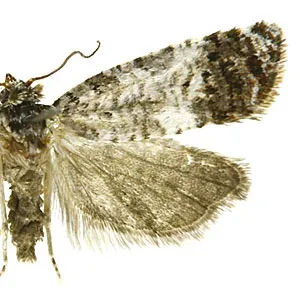
Adult moths are generally small, with cryptic coloration that allows them to blend in with bark or foliage, making them difficult to detect without specialized traps.
The larval stage is the most destructive phase. The caterpillars exhibit typical tortricid morphology, moving with agility and utilizing silk to create protected environments within leaves or fruit.
The life cycle involves complete metamorphosis. Successful control strategies depend heavily on identifying the specific generations and timing applications accordingly.
Eggs are typically laid in small clusters on host plants. Because they are often placed in sheltered areas, they can easily escape early detection by field scouts.
What it damages
Proeulia species are known polyphagous pests, meaning they feed on a diverse range of host plants, which makes them a constant threat to agricultural stability.
Major crops affected include pome fruits like apples and pears, stone fruits like peaches, and viticulture crops such as grapes, which are highly susceptible to larval damage.
Larvae consume buds, blossoms, and tender leaves, which can stunt plant growth and reduce the plant's overall photosynthetic potential during the critical spring period.
Fruit damage occurs when larvae penetrate the surface of ripening fruits. This causes scarring and creates entry points for fungal pathogens, leading to rot and post-harvest losses.
In addition to direct feeding, the webbing created by larvae causes leaf deformation, which can interfere with normal plant development and fruit sizing.
Signs of infestation
Leaf rolling is a primary diagnostic symptom. Larvae use silk to roll or tie leaves together, forming a nest where they feed and reside safely from predators.
Surface feeding marks on the fruit are a clear indicator of infestation. These marks often appear as irregular, shallow cavities or discolored patches on the peel.
Dried or blackened blossoms that fail to set fruit often signify that larvae have been feeding within the floral structures during the early season.
The presence of frass (larval excrement) trapped within webbing on leaves or around the stem of the fruit is a definitive sign of active larval presence.
Early-season inspections of leaf clusters and bud development can reveal the presence of young caterpillars before they move on to more significant fruit damage.
Control measures
Integrated Pest Management (IPM) is the gold standard for managing Proeulia, combining monitoring, biological control, and targeted chemical interventions.
Pheromone traps are essential for monitoring adult flights, providing the necessary data to determine the optimal timing for protective spraying treatments.
Cultural practices, including proper canopy management and the removal of infested fruits, significantly reduce the population density within the orchard or vineyard.
Biological control agents, such as specific parasitic wasps or Bacillus thuringiensis sprays, provide effective and environmentally friendly suppression options.
Strict quarantine measures and careful inspection of nursery stock are crucial to prevent the accidental spread of these pests to unaffected agricultural regions.
Taxonomy
- Latin name
- Proeulia
- Order
- Lepidoptera (butterflies)
- Family
- Tortricidae
- EPPO code
- PEULSP
Discussion
No discussions yet — be the first.