
Natal multimammate mouse
Praomys natalensis
Description
How to identify
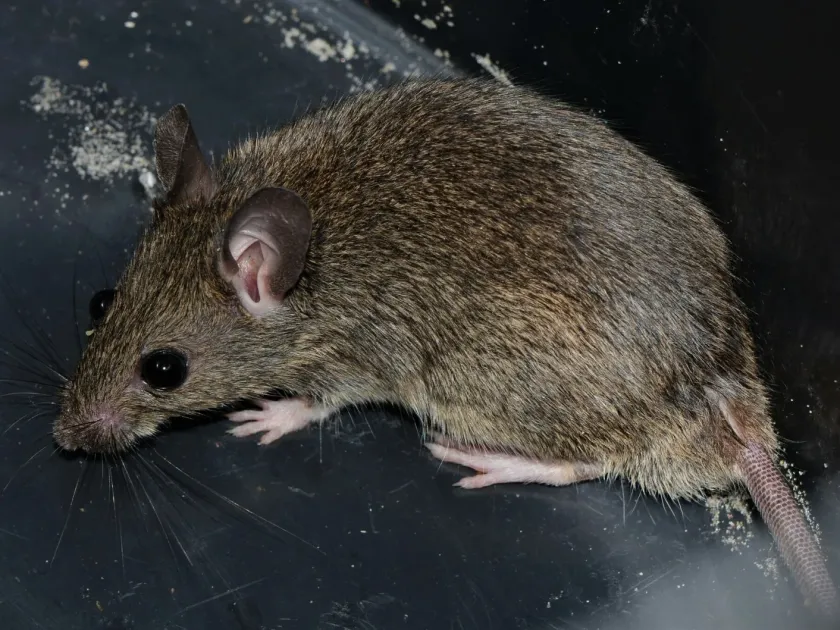
The Natal multimammate mouse (Praomys natalensis), also known as the Mastomys mouse, is a small rodent belonging to the Muridae family. It is recognized as one of the most significant agricultural pests in Africa.
The name "multimammate" refers to the high number of nipples found on females, allowing for large litter sizes, which is a key factor in their rapid population growth.
Physically, they resemble common house mice but have a stockier build and are well-adapted to both natural environments and agricultural landscapes.
These rodents are highly resilient and capable of exploiting various habitats, from wild savannahs to dense human settlements and storage facilities.
They are primarily nocturnal animals that construct complex burrow systems to protect themselves from predators and harsh environmental conditions.
What it damages
This species is a major threat to cereal crops, causing severe damage by consuming seeds directly after planting, which leads to poor stand establishment.
As the crops mature, the mice continue to feed on stalks, ears of corn, and grains, resulting in both quantitative losses and reduced quality of the harvest.
In stored grain facilities, the infestation leads to massive destruction of food supplies, with significant portions of the grain being spoiled by urine and feces.
Furthermore, they act as vectors for various zoonotic diseases, posing additional health risks to farmers and animals living in proximity to infested areas.
The habit of gnawing on plant stems can also cause lodging in cereal crops, making mechanical harvesting difficult and inefficient.
When it appears
The activity and population density of Praomys natalensis are heavily dependent on rainfall patterns, which influence the availability of vegetation and food sources.
During the dry season or following the harvest, populations often migrate toward human structures to secure alternative sources of food and shelter.
Breeding is nearly continuous throughout the year, provided that water and food are available, leading to frequent population explosions.
The reproductive strategy of the species allows for a rapid recovery of numbers after control measures are applied, especially during favorable climatic periods.
In agricultural cycles, peak vulnerability occurs when crops are ripening, as the high nutritional content of the seeds attracts large groups of rodents.
Signs of infestation
The presence of Praomys natalensis is easily identified by the network of small burrow entrances around fields and farm boundaries.
Evidence of damage, such as unearthed seeds or gnawed stalks of maize and sorghum, confirms the presence of these rodents in the crop area.
Visible trails and paths created by the mice in the vegetation provide clear markers for locating their active nesting and foraging routes.
The discovery of droppings and food debris in storage areas is a definitive indicator of an established colony within the facility.
Increased sightings of rodents in the evening hours during the harvest season are strong indicators of a significant population surge.
Control measures
Effective management requires a multi-pronged approach, starting with deep tillage to disturb burrow systems and reduce available shelter in the fields.
Maintaining a clean perimeter by removing weeds and debris significantly reduces the attractiveness of the field to rodents.
Rodenticide application, when used, must be managed carefully to avoid secondary poisoning of non-target species and environmental contamination.
In storage environments, the use of mechanical barriers, such as metal mesh and proper grain container sealing, is essential for prevention.
Regular population monitoring through trapping allows for early detection of surges, enabling targeted intervention before major crop damage occurs.
Taxonomy
- Latin name
- Praomys natalensis
- Order
- Rodents
- Family
- Muridae
- EPPO code
- PRAONA
Discussion
No discussions yet — be the first.