
Praomys
Praomys
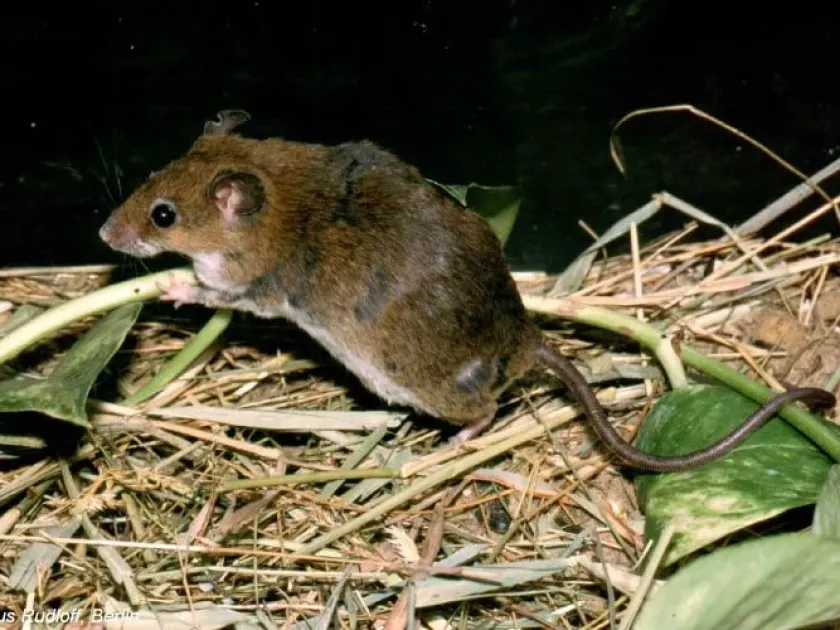
Description
How to identify
The genus Praomys belongs to the family Muridae (order Rodentia). These are small rodents primarily native to the tropical regions of Africa, known for their adaptability to forested habitats and edges of agricultural land.
Physically, Praomys species are characterized by their slender bodies and long tails, which often exceed their body length. They possess keen senses and protective fur coloration, which helps them survive in diverse environments ranging from dense forests to cultivated shrublands.
The biology of these rodents is centered around nocturnal activity. During the day, they remain hidden in burrows or dense vegetation, emerging only at night to forage, which makes early detection a challenge for farmers.
They have high reproductive rates, allowing them to establish large populations rapidly if environmental conditions, such as food availability and cover, are optimal. This makes them persistent pests in regions where forests meet agricultural crops.
While they play a role in natural ecosystems, their proximity to farms inevitably leads to interactions with cultivated crops, turning these rodents into significant agricultural pests.
What it damages
Praomys rodents cause significant agricultural damage by consuming seeds, young seedlings, and ripening fruits. Crops such as rice, maize, and various tubers are particularly vulnerable to their feeding habits.
The damage often occurs at the base of the plants, where they gnaw through stems and roots, leading to the wilting and eventual death of young plants, causing uneven stands and reduced harvest density.
During the harvest phase, these rodents cause direct yield losses by eating seeds from mature ears or pods. This damage is exacerbated by their tendency to hoard and scatter food, increasing the overall amount of wasted crop.
Stored agricultural products are also at risk. Praomys can invade barns and storage facilities, contaminating food supplies with excreta and urine, which renders the products unusable for human consumption or sale.
The economic impact is not only in the volume of food consumed but also in the degradation of quality and the costs associated with implementing emergency pest control measures during the cropping season.
Signs of infestation
A primary sign of Praomys activity is the appearance of burrow openings in the soil, usually found near the edges of fields or in dense vegetation zones. These tunnels are often associated with fresh soil mounds.
Evidence of feeding, such as nibbled stems, partially eaten seeds, and shredded plant material, is commonly found in areas where the rodents have been foraging during the night.
Well-trodden paths through tall grass or weeds between their burrows and the crop areas are reliable indicators of established routes used by the rodent population.
Patches of wilting or missing plants in a field are typical indicators of an infestation, showing where the rodents have concentrated their feeding efforts over several nights.
The presence of droppings near storage sites or in high-activity areas of the field serves as a clear confirmation that a resident population is present and actively foraging.
Control measures
Managing Praomys requires an integrated pest management approach. Cultural practices, such as removing weeds around field edges and maintaining clean field borders, are essential to remove nesting sites.
Chemical control using rodenticide baits is common, though it must be performed with caution to avoid secondary poisoning of non-target wildlife and predators, which are crucial for natural control.
Mechanical barriers, including the use of wire meshes for high-value garden crops or rodent-proof storage containers, provide effective protection against both direct feeding and contamination.
Encouraging natural predators such as owls, raptors, and snakes to reside near or visit the fields can help maintain the Praomys population at a level that does not cause economic damage.
- Regular monitoring of crop fields for signs of burrows.
- Timely harvesting to reduce the window of vulnerability.
- Clearing crop residues immediately after harvest to deny food sources.
Taxonomy
- Latin name
- Praomys
- Order
- Rodents
- Family
- Muridae
- EPPO code
- PRAOSP
Discussion
No discussions yet — be the first.