
Pomatias
Pomatias
Description
How to identify
Pomatias is a genus of land operculate gastropod mollusks belonging to the family Pomatiasidae. Unlike typical slugs, these snails possess a robust, spirally coiled shell that helps them retain moisture during dry periods.
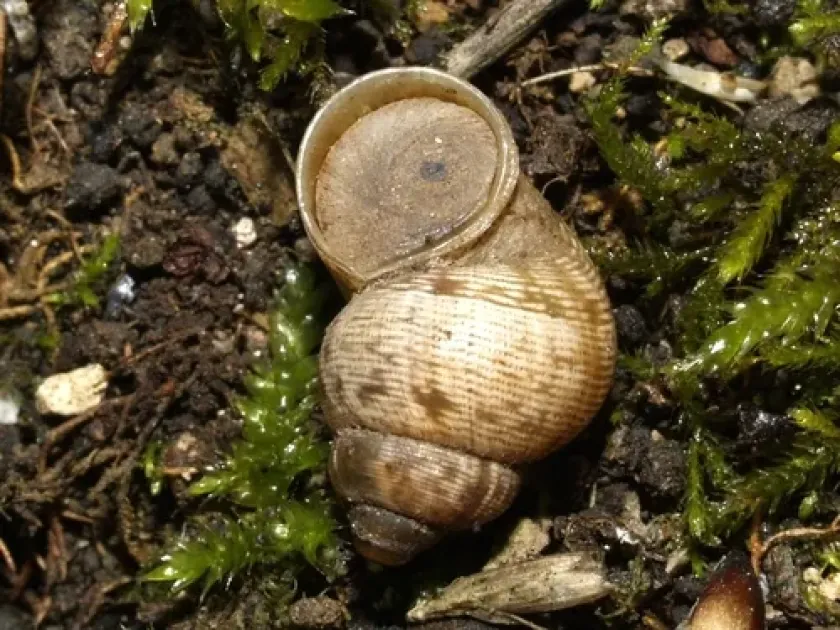
Externally, the genus is characterized by a conical shell shape with colors ranging from greyish-yellow to brown. The shell aperture is circular, which serves as a key diagnostic feature for identifying these mollusks in the field.
The snail's body features a characteristic grey or ashy coloration with prominent tentacles that bear eyes at the tips. These snails prefer habitats with calcium-rich soils, which is essential for building their dense shells.
Movement is achieved by the contraction of a muscular foot, which leaves a faint mucus trail. However, due to their shell's structure, they move significantly slower than slugs, effectively limiting their natural dispersal range.
Reproduction occurs through the deposition of eggs directly into the soil, usually in moist substrates. Development takes place within the eggs, after which fully formed juveniles emerge, immediately ready to forage for food.
What it damages
Pomatias primarily damages vegetable crops, berries, and young seedlings of ornamental plants. While they feed mainly on decaying organic matter, they will readily switch to succulent parts of cultivated plants when food is scarce.
These mollusks pose the greatest threat to vegetable seedlings during the early vegetation period. They can completely destroy young sprouts by gnawing at the base or skeletonizing the tender leaf tissues.
Damage appears as large, irregular holes, often found along the edges of leaf blades. Under high humidity conditions, the pest can cause significant yield loss in strawberries by damaging the ripe fruits.
In addition to direct feeding, Pomatias acts as a vector for various fungal and bacterial diseases. Their mucus creates an ideal environment for pathogens to colonize and quickly infect weakened plant tissues.
Root crops are also at risk, especially if the pests penetrate the soil during droughts. Damaged areas of roots become entry points for soil-borne infections, leading to rot during storage.
When it appears
The peak activity of Pomatias occurs during the spring and summer months, especially in seasons with high rainfall. Moisture is a critical factor for their biological functions and respiratory system efficiency.
During hot and dry months, the snails enter a state of aestivation, burying themselves deep in the soil or hiding under mulch and fallen leaves. During this time, they cause virtually no damage to crops.
These mollusks are most active at night or during overcast weather when the risk of desiccation is minimized. During the day, they prefer to hide in shady, cool locations with high humidity levels.
The life cycle is closely linked to soil temperature. Optimal temperatures for growth and reproduction range from +15 to +22 degrees Celsius, which aligns with the peak growing season for most crops.
In autumn, activity gradually declines as ambient temperatures drop. The snails retreat deeper into the soil profile to hibernate, surviving the cold in burrows or cavities under tree roots.
Signs of infestation
The first and most obvious sign of Pomatias presence is the characteristic silvery trail of dried mucus on leaves and plant stems. These paths are easily visible in morning light after nightly feeding.
Ragged leaf edges, resembling damage caused by large insects, are a secondary symptom. Often, fine cylindrical granules of snail feces can be found around the damaged plants.
In the evening, using a flashlight while inspecting the garden can reveal individuals directly on the plants. It is important to check the undersides of leaves and the root zone, where the snails spend most of their time.
Finding numerous empty shells in the soil is an indicator of a high pest population density from previous seasons. Holes in the ground used as refuges during heat also point to their recent activity.
Gradual wilting of seedlings without visible root system damage may indicate that snails have gnawed the stem at the soil level. Such hidden damage is extremely dangerous for young plantings.
Control measures
Manual collection is the simplest and most environmentally friendly protection method for small garden areas. It is recommended to perform collections during morning or evening hours when the pests are most active.
Creating unfavorable conditions for movement is a vital agrotechnical strategy. Spreading gravel, crushed eggshells, or pine needles around plantings creates a physical barrier that snails cannot cross due to their sensitive feet.
The use of ferric phosphate-based products is considered the most gentle chemical control method. These products are safe for pets and beneficial insects while effectively targeting the digestive systems of gastropods.
Mulching, which often attracts snails, must be managed correctly. Using coarse organic materials or periodically loosening the soil between rows disrupts the pest's habitat and destroys their egg-laying sites.
When dealing with high populations, the use of bait stations is justified. Placing boards or pieces of roofing slate around the site attracts the snails, allowing for easy collection and disposal without the need for blanket chemical applications.
Taxonomy
- Latin name
- Pomatias
- Order
- Molluscs
- Family
- Pomatiidae
- EPPO code
- POMTSP
Discussion
No discussions yet — be the first.