
Pleurodiscus balmei
Pleurodiscus balmei
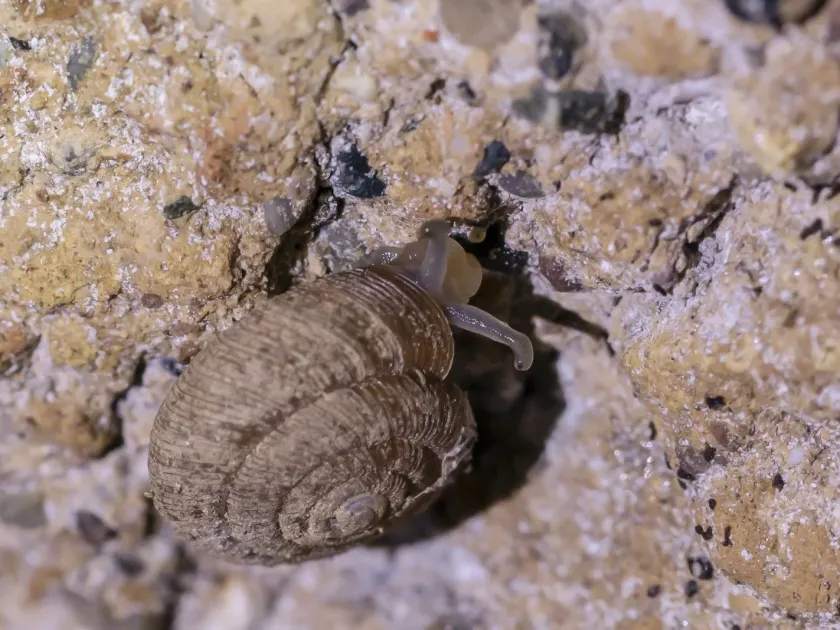
Description
How to identify
Pleurodiscus balmei is a microscopic organism classified as a fossil palynomorph. Within modern agronomy, it is identified as a geological marker rather than a living pest that affects agricultural crops.
Morphologically, the object displays a characteristic disc-like shape. Its structure is primarily a subject of study for paleobotany and geological mapping of soil profiles.
In an agricultural context, identifying such structures helps in understanding the history and origin of the soil. This can provide insight into the drainage capacity and moisture history of the land.
Unlike current plant pests, it does not possess biological stages such as larvae, pupae, or active feeding cycles. It is essentially an extinct microscopic form.
Identification requires professional laboratory analysis of geological samples. It has no relevance to the daily pest monitoring protocols used by farmers.
What it damages
There is no evidence of Pleurodiscus balmei causing damage to modern crops. It does not consume plant tissues, roots, or any other part of the vegetation cycle.
The impact of this object is strictly limited to the scientific interpretation of the stratigraphic layers. It serves as a tool for geological dating of the site.
As it is not a biological pest, it does not create any lesions, wilt, or necrosis on plants. It has no effect on the physiological processes of current agricultural crops.
Agronomists should not view this object as a risk factor for yield loss. The presence of such fossils is merely a testament to the evolutionary history of the area.
Focusing on genuine threats, such as soil-borne pathogens or insect pests, is essential for maintaining a healthy and profitable agricultural production system.
Control measures
No control measures are required for Pleurodiscus balmei. As it is an extinct fossilized form, it does not respond to chemical or biological treatments.
The primary control strategy for any farm should be the implementation of Integrated Pest Management (IPM). This targets current living threats rather than geological findings.
Farmers are encouraged to maintain soil fertility through balanced fertilization and proper crop rotation practices. These methods ensure optimal growing conditions regardless of soil history.
Monitoring programs should focus on active pests and diseases known to impact local crop varieties. Using traps, scouts, and weather data is highly effective for modern control.
In conclusion, Pleurodiscus balmei remains an object of interest only to geological and biological research. It does not warrant any defensive actions in the field.
Taxonomy
- Latin name
- Pleurodiscus balmei
- Order
- Molluscs
- Family
- Pleurodiscidae
- EPPO code
- PLEDBA
Discussion
No discussions yet — be the first.