
Pleurodiscus
Pleurodiscus
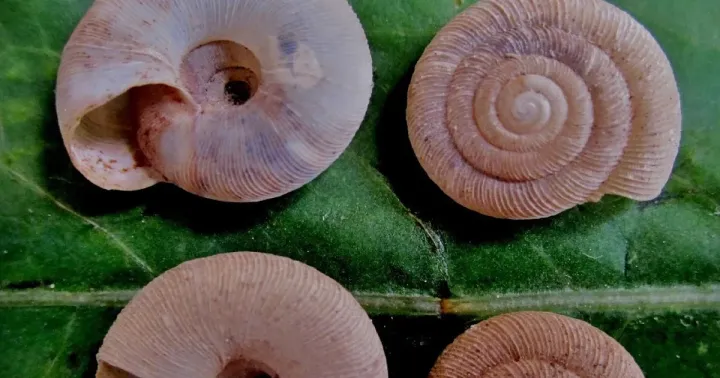
Description
How to identify
Pleurodiscus is a genus of air-breathing land snails belonging to the family Pleurodiscidae. These gastropods can become significant pests in agricultural and horticultural settings when environmental conditions favor their proliferation.
They are characterized by a flattened, discoid shell structure. Their soft body is protected by a layer of mucus, which prevents desiccation and allows them to navigate various surfaces with relative ease.
Biological studies indicate that these snails prefer habitats with high humidity and moderate temperatures, such as damp soil, dense foliage, or organic mulch, which provide protection from direct sunlight and natural predators.
Identification often relies on morphological characteristics, particularly the specific anatomical structure of their reproductive systems and radula, which differentiates them from other terrestrial snail species.
In an agronomic context, identifying the presence of Pleurodiscus at an early stage is crucial, as their nocturnal behavior often hides them from casual inspection during daylight hours.
What it damages
As generalist feeders, these snails consume a wide range of plant species. They cause physical damage to leaves, stems, and fruits, which significantly degrades the quality and marketability of crops.
Young seedlings and tender vegetables, such as lettuce, cabbage, and young tomatoes, are particularly susceptible to their grazing. The snails scrape the plant tissue, leading to holes and irregular leaf margins.
In addition to direct herbivory, the presence of Pleurodiscus can lead to economic losses due to the contamination of fresh produce with mucus and the potential for secondary bacterial or fungal infections.
Heavy infestations can lead to the total destruction of young plants, especially in greenhouses or nurseries where high humidity levels are maintained for optimal plant growth.
Even ornamental plants are not spared, as the snails frequently feed on the soft shoots and floral buds, causing deformities and reducing the aesthetic value of the plantings.
When it appears
The activity of Pleurodiscus is highly seasonal and dictated primarily by humidity and temperature. They are most active during wet, cool seasons when moisture is abundant on the ground.
Spring is a critical window for crop protection, as snails emerge from overwintering and begin feeding on newly emerged seedlings. This coincides with the most vulnerable phase of plant development.
During the peak of summer, if dry conditions prevail, the snails enter a state of dormancy, retreating into the soil or under dense vegetation to survive. Their activity then resumes when autumn rains arrive.
Reproduction cycles are closely linked to these periods of activity, with egg-laying occurring in moist soil crevices where the environment is stable enough for juvenile development.
Farmers should monitor their fields during evening hours or following rainfall, as these are the peak periods for the snails' movement and feeding activity.
Signs of infestation
The most distinctive sign of a Pleurodiscus infestation is the presence of irregular, ragged holes in the leaves, often referred to as skeletonization, where soft tissue is eaten while the veins remain.
Shiny, translucent trails of dried mucus on leaves, soil surfaces, and plant stems are reliable indicators that these mollusks have been present and active in the area recently.
Direct observation of the snails themselves, usually near the base of plants or tucked under the lower leaves during early morning, is a definitive sign of their current population level.
Droppings left by the snails on the foliage or the soil surface indicate active feeding sites, which can help pinpoint the areas of the field requiring immediate intervention.
Severe infestations often result in stunted plant growth or wilting, particularly if the snails focus their feeding on the primary stems or meristematic tissues of the plants.
Control measures
Effective management of Pleurodiscus requires an integrated approach that focuses on reducing habitat suitability and direct suppression of the population.
A cultural control program is essential and includes consistent weed management, removing piles of debris where snails hide, and adjusting irrigation practices to avoid excessive soil moisture.
- Installing physical barriers such as copper tape or crushed mineral barriers around sensitive crops.
- Implementing traps using attractive baits like yeast or sweet solutions to capture and remove the pests.
- Maintaining well-drained soil conditions to discourage snail habitation.
- Hand-picking the snails at night or during the early morning after precipitation.
- Using raised beds or container gardening to limit ground-based access for the snails.
Chemical control involving molluscicides, typically formulated as granules containing iron phosphate or metaldehyde, can be used as a last resort in high-pressure areas.
Biological control using parasitic nematodes has shown promise in specialized settings, offering a targeted solution that minimizes environmental impact while managing snail populations effectively.
Taxonomy
- Latin name
- Pleurodiscus
- Order
- Molluscs
- Family
- Pleurodiscidae
- EPPO code
- PLEDSP
Discussion
No discussions yet — be the first.