
Scarlet shrimp
Plesiopenaeus edwardsianus
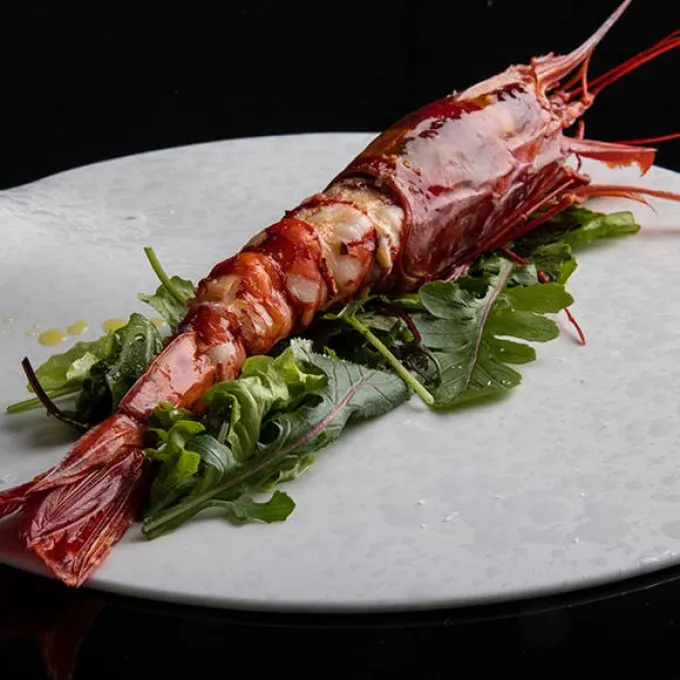
Description
How to identify
The scarlet shrimp, scientifically known as Plesiopenaeus edwardsianus, is a deep-sea decapod crustacean belonging to the family Aristeidae.
It is distinguished by its vibrant red color and long, slender appendages adapted for deep-sea environments.
The species lives at extreme depths ranging from 400 to 1800 meters, far removed from any agricultural ecosystems or terrestrial habitats.
Biologically, it requires high hydrostatic pressure and low water temperatures, which makes survival in soil or on plants impossible.
It is not an insect or a terrestrial pest, but a marine crustacean of significant interest to deep-sea biology and commercial fisheries.
What it damages
Plesiopenaeus edwardsianus does not damage crops, vegetables, or ornamental plants as it is physically restricted to marine environments.
The diet of the scarlet shrimp consists of organic debris and small organisms present on the ocean floor, not plant tissues or roots.
There are no recorded instances of this shrimp interacting with agricultural landscapes or causing any form of plant-related damage.
Economic damage to agriculture is non-existent because the species and the agricultural sector do not share the same ecological niche.
The classification of this species as an agricultural pest is erroneous and lacks any empirical support from entomological or agronomical research.
Control measures
No pest control measures are required for Plesiopenaeus edwardsianus since it poses zero threat to any type of plant cultivation.
If you encounter crustaceans in your fields, they are likely terrestrial isopods or other soil-dwelling organisms unrelated to this deep-sea shrimp.
Always follow standard integrated pest management practices when dealing with true terrestrial pests that affect your harvest.
Do not attempt to apply pesticides based on misinformation regarding marine species, as it may cause unnecessary chemical pollution in your soil.
Consult with local agronomic authorities if you need an accurate identification of an actual pest affecting your specific crops.
Taxonomy
- Latin name
- Plesiopenaeus edwardsianus
- Family
- Aristeidae
- EPPO code
- PLPEED
Discussion
No discussions yet — be the first.