
Platynota tinctana
Platynota tinctana
Description
How to identify
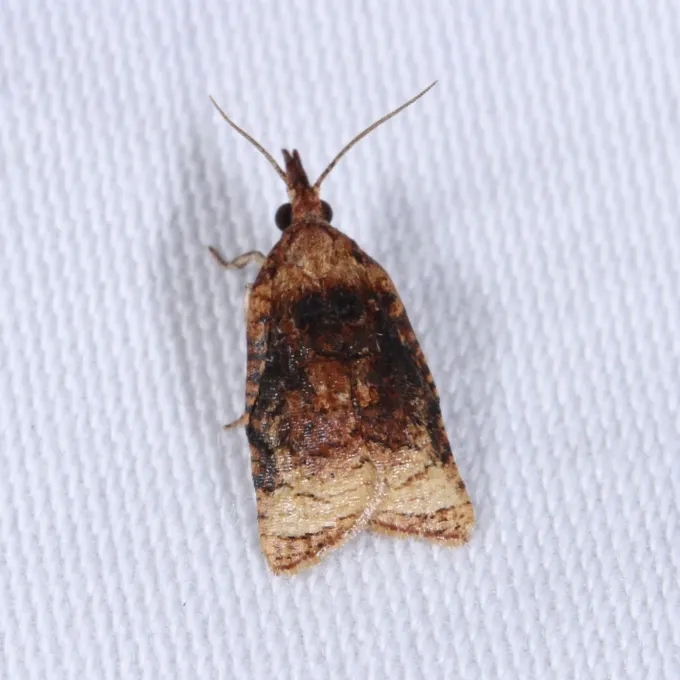
Platynota tinctana is a species of moth belonging to the order Lepidoptera and the family Tortricidae. The adult is a small moth characterized by brownish-colored wings with darker, transverse bands, which provides excellent camouflage against tree bark and foliage.
The larvae, or caterpillars, undergo several instars during their development. Their coloration shifts from light green to darker hues as they mature, and they feature a distinct head capsule. The body is covered with fine setae, which serves as a key diagnostic feature for identification.
The life cycle involves complete metamorphosis: egg, larva, pupa, and adult. Eggs are typically laid in masses on the underside of leaves or on the surface of fruit, often protected by a thin, waxy secretion produced by the female.
Pupation usually occurs within rolled leaves that have been securely bound with silk. This protective shelter shields the pupa from predators and unfavorable environmental conditions until the adult moth emerges.
For professional identification, agronomists rely on pheromone-baited traps to capture males. Precise identification of the species often requires examination of the genital morphology, as it can be easily confused with other closely related leafroller species.
What it damages
This species is a polyphagous pest, meaning it feeds on a wide range of host plants, including various fruit trees and ornamental shrubs. The damage is primarily caused by the larvae, which feed on both vegetative parts and developing fruits.
Larval feeding results in skeletonized leaves, severely reducing the plant's photosynthetic capacity. This damage causes significant physiological stress to the host, leading to stunted growth and reduced vigor throughout the growing season.
The most severe damage occurs when larvae bore into the fruit. These entry points not only spoil the aesthetic quality of the harvest but also serve as entry sites for secondary fungal pathogens and rot-causing bacteria, making the fruit unsuitable for market.
Larvae often tie leaves together with silk to create "nests." These structures provide a hidden micro-environment that protects the pest from natural predators and makes the application of contact-based insecticides significantly less effective.
High infestation levels can lead to substantial yield losses. Premature fruit drop and canopy thinning are common consequences, and heavy damage can weaken trees, making them more susceptible to winter injury and other pests.
When it appears
Adult moth activity typically begins in the spring when temperatures consistently rise. The number of generations per year depends heavily on the regional climate, which dictates the intensity and timing of pest management efforts.
The first generation of larvae usually emerges during bud break, coinciding with the most active growth phase of the trees. These larvae focus their feeding on succulent new foliage and emerging flower buds.
Peak population levels often occur in mid-summer, when conditions are optimal for the insect's development and metamorphosis. During this period, the pressure on developing fruit is at its highest, requiring vigilant monitoring.
As autumn approaches, the insect enters a diapause state. The larvae or pupae typically overwinter in protected locations, such as deep cracks in the tree bark, within fallen debris, or just beneath the soil surface near the trunk.
Agronomic monitoring uses "degree-day" calculations and pheromone trap data to forecast pest outbreaks. This allows for precise timing of interventions, ensuring that control measures are applied when the insects are most vulnerable.
Signs of infestation
The most common sign of infestation is the presence of rolled or folded leaves bound together by silk threads. Opening these structures usually reveals the caterpillar itself or signs of frass (excrement) within the fold.
Fruit damage manifests as shallow pits or deep boreholes that darken over time. These visible blemishes are clear indicators that the larva has been feeding on the tissue, often leading to localized rotting.
The deformation of shoot tips, which often turn brown and wilt, is another reliable sign of leafroller activity. Larvae frequently feed on these tender growing points, stunting the development of the branch.
Although adult moths are nocturnal and difficult to spot, their presence can be inferred from the increase in leaf damage. Gardeners should look for these subtle signs before the population reaches an uncontrollable level.
Premature fruit drop and the unexpected drying of flower clusters are further indicators. When such symptoms appear, it is critical to perform a thorough crown inspection to assess the severity of the infestation.
Control measures
An integrated pest management (IPM) approach is essential, combining cultural, biological, and chemical strategies. Cultural controls focus on sanitation, such as removing fallen leaves and debris where the insect might overwinter.
- Application of bio-insecticides containing Bacillus thuringiensis targeting young larvae.
- Use of pheromone traps for mating disruption and population monitoring.
- Encouraging natural enemies, such as Trichogramma wasps, which parasitize leafroller eggs.
- Timely application of contact-based insecticides when larvae are newly hatched and before they construct leaf shelters.
- Cultivation of soil under trees to disturb and destroy overwintering pupae.
Chemical control must be strictly timed according to the insect's development stages. Treatments are most effective when applied during the egg-hatch window, before the caterpillars are protected by their silk nests.
Rotation of different chemical classes is a vital practice to prevent the development of pesticide resistance in the population. Utilizing modern, selective insecticides helps maintain orchard health while minimizing impact on beneficial insect populations.
Taxonomy
- Latin name
- Platynota tinctana
- Order
- Lepidoptera (butterflies)
- Family
- Tortricidae
- EPPO code
- PLAATI
Discussion
No discussions yet — be the first.