
Platynota
Platynota
Description
How to identify
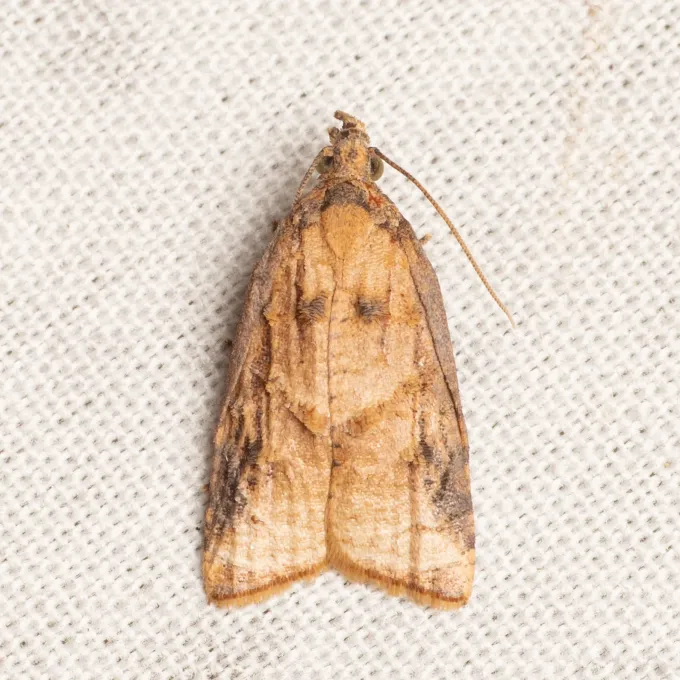
Platynota is a genus of moths belonging to the family Tortricidae. These insects are relatively small, with adult moths typically having a wingspan between 15 and 20 millimeters. Their coloration is usually mottled brown or grey, providing excellent camouflage against tree bark and foliage.
The larvae, or caterpillars, go through several developmental stages (instars). They typically have a body color that ranges from light green to a darker, olive-brown shade, often accompanied by a distinct, darker head capsule which is a key identification feature.
Adult moths are primarily nocturnal, spending their daylight hours resting in hidden, shaded areas within the plant canopy. This behavior makes them difficult to spot during routine inspections, often requiring the use of pheromone traps for early detection.
Accurate species identification within the Platynota genus is challenging and often requires microscopic examination of reproductive organs. For agricultural purposes, identifying the genus and the damage pattern is usually sufficient to initiate appropriate management steps.
Females lay eggs in clusters on the upper surface of leaves or on the bark of host plants. The egg masses are covered with a protective secretion that hardens into a scale-like layer, offering protection against environmental stressors and some natural enemies.
What it damages
Platynota species are highly polyphagous, meaning they feed on a wide variety of host plants. The larvae are the stage responsible for the damage, as they feed on both vegetative growth and reproductive parts of the plant, significantly impacting yield and quality.
In orchards, Platynota larvae are known to cause damage to young shoots, causing them to wilt or grow deformed. Furthermore, they frequently feed on the skin of developing fruits, creating shallow, corky scars that reduce the commercial grade of the harvest.
In viticulture and berry production, the larvae can damage flower buds and developing berries. This feeding often introduces secondary pathogens, such as fungal rots, which can lead to significant crop loss before and during the harvest season.
Ornamental plants, including roses and other greenhouse flowers, are also susceptible. Larvae web leaves together or feed on flower buds, which ruins the aesthetic appeal and marketability of the ornamental production.
- Fruit trees (apples, pears, peaches)
- Citrus species
- Grapevines
- Various ornamental and greenhouse flowers
When it appears
The seasonal activity of Platynota is highly dependent on regional climate. Generally, these moths can produce multiple generations per year, often ranging from two to four, leading to overlapping life cycles throughout the growing season.
The time from egg to adult takes approximately 30 to 45 days, depending on temperature and humidity levels. Summer generations typically develop faster, which often results in a continuous presence of larvae on host plants during the warmer months.
Peak flight periods are often determined using pheromone traps. Monitoring these flight waves is critical for timing control efforts, as the most effective management usually targets the early larval stages before they form protective silk nests.
Winter is typically spent in the larval stage, often in sheltered locations such as bark crevices, leaf litter, or debris on the orchard floor. This overwintering strategy allows the species to survive low temperatures and emerge when conditions improve.
Effective management requires tracking generations from spring through late autumn. By understanding the timing of each generation, farmers can target their intervention methods to hit the most vulnerable stages of the pest's lifecycle.
Signs of infestation
The most common sign of a Platynota infestation is the presence of webbed or curled leaves. Larvae use silk to bind leaves together, creating a protective nest where they feed and hide from predators and direct insecticide contact.
On fruits, look for shallow, irregular feeding scars on the skin. These lesions often harden into a corky, tan-colored material. Over time, these areas become sites for secondary infections, leading to rot that can spread through storage bins.
Wilting shoot tips are another clear indicator. If a shoot begins to droop or yellow prematurely, a larva is likely feeding inside the terminal growth or at the base of the petiole, interrupting the plant's vascular system.
Damage to flower buds is frequently observed in ornamental settings. You may find buds that fail to open, are webbed together, or have visible holes bored into them by developing larvae.
In severe infestations, large quantities of frass (larval excrement) can be found within the webbed leaf nests. This accumulation of waste, combined with silken webbing, is a definitive sign of an active, established pest population.
Control measures
Integrated Pest Management (IPM) is the most effective approach for controlling Platynota. Cultural practices, such as removing infested plant debris and pruning, help eliminate overwintering sites and reduce the pest population naturally.
Biological control methods include the release of parasitic wasps, such as Trichogramma, which attack the pest's eggs. Additionally, applying bio-insecticides containing Bacillus thuringiensis can effectively control larvae without harming beneficial insects.
Chemical control should be implemented based on monitoring data to target susceptible larval stages. Rotating insecticide groups is essential to prevent the development of resistance in the Platynota population over multiple seasons.
Maintaining good orchard hygiene and canopy management ensures better spray coverage. Open canopy structures not only discourage larval nest building but also improve the efficiency of both biological and chemical control applications.
Pheromone traps are invaluable tools for decision-making. By using traps to monitor adult flight, growers can apply control measures precisely when needed, reducing the number of applications and minimizing the impact on the local environment.
Taxonomy
- Latin name
- Platynota
- Order
- Lepidoptera (butterflies)
- Family
- Tortricidae
- EPPO code
- PLAASP
Discussion
No discussions yet — be the first.