
Platphalonidia
Platphalonidia
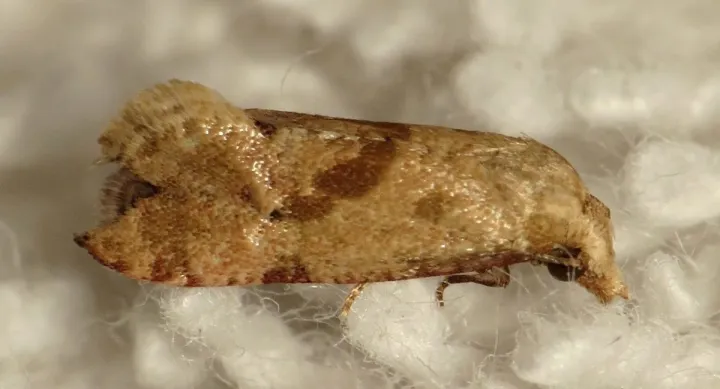
Description
How to identify
Platphalonidia is a genus of moths belonging to the family Tortricidae. Adult specimens exhibit typical characteristics of the leafroller family, with wingspans varying by species and cryptic coloration that provides effective camouflage against bark or foliage.
Identifying adult moths often requires a detailed examination of genitalia, as the external morphology of many species within this genus is remarkably similar. Their wings typically feature a pale base with darker patterns, mimicking imperfections on the plant surface.
The larvae, which represent the primary damaging stage, possess a cylindrical body with a well-developed head capsule. The coloration of the caterpillars ranges from pale yellow to greenish, often featuring dark spots on their segments, making them difficult to spot on stalks and within buds.
This genus is categorized as a group of highly specialized phytophagous insects. Their life cycle is intrinsically linked to the phenology of their host plants, which dictates their seasonal activity patterns and preferred locations within fields.
Agronomic monitoring often involves the use of pheromone traps, which are essential for detecting the flight period of the moths and forecasting potential infestation risks for specific agricultural crops.
What it damages
The pest affects a wide range of herbaceous plants, particularly favoring those in the Asteraceae family. Species that colonize seed heads, florets, and stems are of particular concern in agricultural production.
Significant damage is inflicted upon the reproductive organs of the plants. Larvae penetrate inside inflorescences or stems, feeding on soft tissues, which disrupts normal flowering cycles and impairs seed formation.
Infestation manifests as a notable decline in commercial quality. Caterpillar activity leads to premature wilting of buds, reduced seed weight, and overall weakening of the host plant, leaving it susceptible to secondary fungal infections.
In cases of high population density, yield losses can reach critical thresholds. Damaged plant parts often suffer from rot caused by secondary microorganisms entering through the tunnels created by the larvae.
Heavy infestations are frequently observed in fields where crop rotation practices are neglected. Damage often commences when the crop is in the budding phase, rendering it highly vulnerable to initial colonization by the pest.
When it appears
Moth flight typically occurs during the spring and summer months, coinciding with the peak growth phase of host crops. As adults are primarily crepuscular or nocturnal, they are rarely observed during daylight hours.
Oviposition takes place on the surface of young leaves or in close proximity to inflorescences. Larval development progresses through several instars, with the duration of these stages highly dependent on ambient temperatures and humidity levels.
The species most commonly overwinters in the pupal or larval stage, hiding within plant debris or in the top layer of the soil, ensuring a high survival rate even during moderately harsh winter conditions.
Active larval feeding is concentrated during the plant's flowering and seed-setting periods. Development rates accelerate significantly as mean daily temperatures rise throughout the summer season.
Generations of Platphalonidia can overlap, leading to a scenario where multiple developmental stages are present in the field simultaneously, which complicates the timing of necessary control interventions.
Signs of infestation
Initial signs of infestation include the presence of silk webbing on inflorescences, which caterpillars use to bind plant parts for protection during feeding. This is often the primary indicator for scouts to initiate a field inspection.
Visual observation will reveal larval frass on the surface of buds or near the base of the stem. These metabolic byproducts often accumulate around the entry points where the larvae have burrowed into the plant tissue.
A characteristic symptom is the localized wilting of individual flower heads or branches. Dissecting a damaged seed head or stem will often reveal the larva or distinct traces of its feeding activity inside.
Deformed inflorescences or abnormal seed development are strong indicators of a hidden infestation. Affected plants within the field often appear stunted compared to their healthy counterparts.
- Tissue darkening at larval entry points
- Presence of small entrance holes on stalks
- Uneven seed maturation within the inflorescence
- Visible silk webbing in the bud zone
Control measures
Management of Platphalonidia relies on an integrated approach combining agronomic and chemical methods. Cultural practices, such as deep autumn plowing, are effective in destroying overwintering sites and disrupting the pest's habitat.
Strict adherence to crop rotation is vital to prevent the long-term buildup of the pest population within a specific field. Clearing and disposing of crop residues immediately after harvest eliminates the food source required for the pest's survival.
The use of biological insecticides, particularly those containing entomopathogenic microorganisms, proves effective during the early stages of infestation before larvae have penetrated deeply into the plant tissues.
Chemical control measures must be precisely timed to target larvae during the peak hatching period, before they move into protected plant areas. The use of systemic or contact-stomach insecticides is recommended.
Using pheromone traps for monitoring allows agronomists to calculate the optimal window for insecticide application, thereby reducing the pesticide load on the agroecosystem while maximizing the efficacy of the control program.
Taxonomy
- Latin name
- Platphalonidia
- Order
- Lepidoptera (butterflies)
- Family
- Tortricidae
- EPPO code
- PPHASP
Discussion
No discussions yet — be the first.