
Planotortrix
Planotortrix
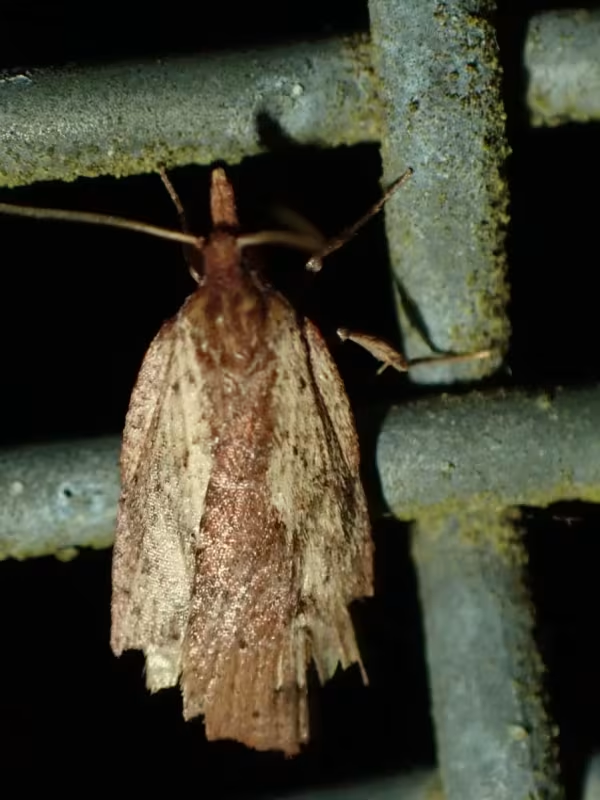
Description
How to identify
Planotortrix is a genus of moths belonging to the family Tortricidae. These insects are widely recognized as significant agricultural pests that pose a threat to various crops worldwide.
Adult moths typically exhibit cryptic coloration, ranging from light brown to grey, which provides camouflage against tree bark and foliage surfaces. Their wingspan generally ranges from 15 to 25 mm.
The larval stage is the primary cause of damage. Caterpillars are usually small and flexible, with colors varying from green to brown, allowing them to blend seamlessly with the leaves they consume.
These insects undergo complete metamorphosis (egg, larva, pupa, adult), and their ability to adapt to different environments makes them particularly difficult to eradicate.
Correct identification often requires expert analysis of genital morphology due to the high similarity between various species within the Planotortrix genus.
What it damages
These pests primarily target fruit-bearing trees such as apples, pears, and stone fruits, although they can also infest nursery stock and decorative garden plants.
Damage starts in the early spring, as larvae feed on developing buds, which can lead to stunted growth and immediate yield loss before flowering even occurs.
As the season progresses, larvae consume young foliage. They roll the leaves into tight tubes or clumps secured with silk threads, which hinders photosynthesis and severely weakens the plant.
Fruit infestation is highly destructive, as larvae bore into the surface or tunnel deep into the flesh, rendering the fruit unmarketable and susceptible to rot.
In high-density orchards, untreated infestations can lead to significant defoliation, reducing the plant's vigor and its ability to withstand subsequent environmental stressors.
When it appears
Planotortrix moths typically overwinter as young larvae in protected sites, such as bark crevices, leaf litter, or debris around the base of the tree.
Activity commences in the spring when temperatures rise to levels conducive to larval development, coinciding with the initial budding and leaf expansion of host trees.
The adult moth flight periods generally occur in successive waves throughout the growing season, resulting in overlapping generations where multiple larval stages are present simultaneously.
Warm and humid weather conditions are particularly favorable for rapid population growth, often leading to increased pressure during the mid-summer months.
As autumn approaches, larvae prepare for diapause, seeking secure shelter for the winter months, which makes post-harvest sanitation a critical management step.
Signs of infestation
The most visible sign of an infestation is the presence of rolled or curled leaves, which are often bound together by visible silk webbing.
Distorted or partially consumed buds during early spring are clear indicators of larval activity, often leading to abnormal leaf and branch development.
Small mounds of frass (larval excrement) appearing on leaves, fruit surfaces, or webbed clusters are diagnostic indicators of active feeding by the caterpillars.
Fruit damage manifests as shallow surface scars or irregular tunnels, which often serve as entry points for secondary pathogens and fungal infections.
- Webbing on terminals and fruit clusters.
- Deformed or skeletonized young leaves.
- Premature fruit drop caused by larval boring.
Control measures
Effective management of Planotortrix requires an integrated pest management (IPM) approach that combines cultural, biological, and chemical strategies.
Cultural practices include removing overwintering sites by cleaning tree bark and managing ground cover to reduce the number of hibernating larvae.
Pheromone monitoring traps are essential for tracking moth flights, allowing growers to time chemical applications accurately before larvae seek protection within leaves.
Biological control, including the use of Bacillus thuringiensis or natural predators like parasitic wasps, can significantly reduce population levels with minimal environmental impact.
Chemical control should be applied strategically, targeting the window of time after egg hatch but before the larvae construct their protective leaf rolls.
Taxonomy
- Latin name
- Planotortrix
- Order
- Lepidoptera (butterflies)
- Family
- Tortricidae
- EPPO code
- PLTXSP
Discussion
No discussions yet — be the first.