
Phytoscaphus
Phytoscaphus
Description
How to identify
Phytoscaphus is a genus of insects belonging to the Curculionidae family, commonly known as weevils. These insects are characterized by a prominent snout (rostrum) and are recognized as significant pests in various agricultural systems.
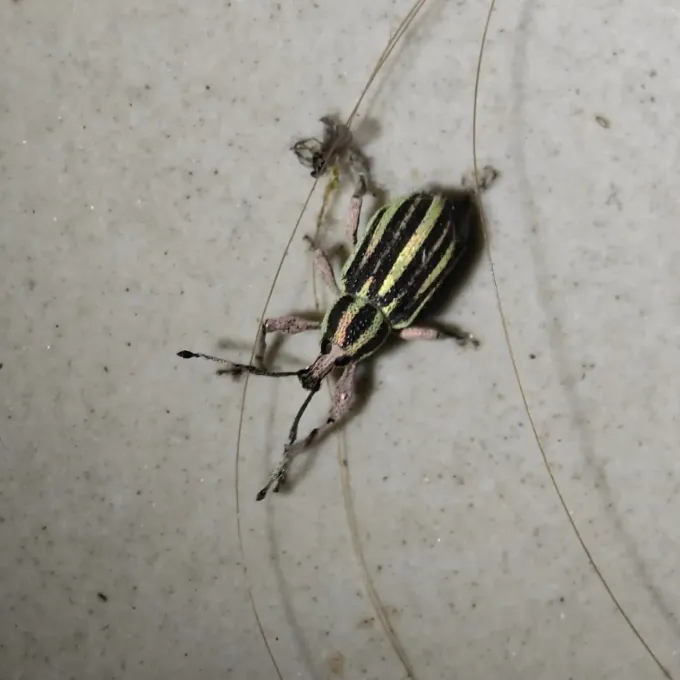
Adult weevils in this genus are typically covered with small, often iridescent or patterned scales, providing them with effective camouflage against the bark or foliage of host plants.
The size of these beetles usually ranges from 5 to 10 millimeters, with body structures adapted for clinging to plant surfaces and moving through dense vegetation.
Larval stages are subterranean or internal feeders, spending most of their life cycle inside plant tissues or the soil, which makes detection of early infestations particularly challenging.
Accurate identification of Phytoscaphus species often requires close examination of antennal structure and the patterns on the elytra to distinguish them from other similar weevil species.
What it damages
This pest is a polyphagous insect, meaning it feeds on a wide range of plants, including fruit trees, citrus, and various ornamental species, making it a threat to diverse agricultural sectors.
Adults primarily cause damage to the foliage by creating distinct, irregular notches along the margins of the leaves, which impairs photosynthesis and reduces overall plant vigor.
Larval activity is often more destructive, as the larvae feed on roots and root hairs, leading to stunted growth, nutrient deficiency symptoms, and in severe cases, the collapse of young seedlings.
In nursery settings, this pest can cause significant economic losses by destroying the root systems of young saplings, rendering them unsuitable for transplanting or sale.
Wounds caused by adult feeding and larval boring serve as entry points for various fungal and bacterial pathogens, leading to secondary infections that further weaken the plant.
When it appears
The activity of Phytoscaphus is heavily influenced by seasonal temperature fluctuations, as the beetles emerge from hibernation when soil and air temperatures begin to rise in spring.
The peak activity and reproductive phase generally coincide with late spring and summer, matching the period of rapid vegetative growth of the host crops.
The life cycle involves egg-laying in the soil or plant tissue, followed by larval development, pupation, and the emergence of adults, with generations often overlapping in warmer climates.
Hibernation typically occurs in the adult stage, with the insects burying themselves in the upper soil layers or beneath leaf litter to survive the cooler months.
Understanding the synchronization of the pest's life cycle with crop phenology is crucial for planning effective management strategies and timing chemical interventions correctly.
Signs of infestation
The most visible sign of an infestation is the characteristically notched or ragged edges of the leaves, which are typical of many leaf-eating weevils.
Wilting of the plant canopy during the hottest parts of the day, despite adequate soil moisture, often indicates that the root system has been compromised by larvae.
Observing the beetles on the underside of leaves or at the base of the plant during the early morning or dusk hours provides direct evidence of their presence.
The presence of fine, sawdust-like frass near the base of the plant can sometimes indicate larval feeding or entry into the stems or roots.
Premature leaf drop and generalized lack of growth in young trees are common secondary symptoms that warrant a closer inspection of the root zone and foliage.
Control measures
Effective management begins with mechanical and cultural practices, such as tilling the soil around host plants to disrupt larval development and destroy pupation sites.
Maintaining a weed-free environment around the base of trees is essential, as many weeds act as alternative hosts and refuges for adult beetles throughout the season.
Biological control, utilizing entomopathogenic fungi or beneficial nematodes, has shown promise in managing the soil-dwelling larval stages of the pest.
Chemical control involving systemic or contact insecticides may be necessary during periods of peak adult activity, following local regulatory guidelines for crop safety.
- Implement regular monitoring using sticky or pheromone traps.
- Use mulching to create a physical barrier for emerging beetles.
- Enhance plant vitality through balanced fertilization to improve tolerance to feeding damage.
Taxonomy
- Latin name
- Phytoscaphus
- Order
- Coleoptera (beetles)
- Family
- Curculionidae
- EPPO code
- PHYHSP
Discussion
No discussions yet — be the first.