
Phanerotoma fasciata
Phanerotoma fasciata
Description
How to identify
Phanerotoma fasciata is a species of parasitic wasp belonging to the order Hymenoptera and the family Braconidae. It is widely recognized in agronomy as a beneficial insect that provides natural pest suppression.
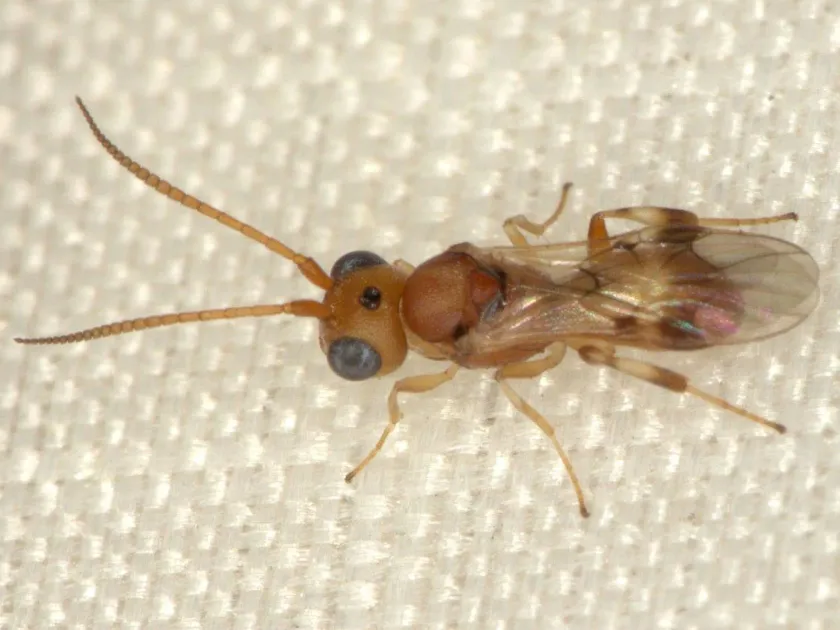
Adult wasps are small, typically measuring 3–5 mm in length. They are distinguished by their slender body structure and characteristic transverse bands on the abdomen, from which the species name is derived.
Entomologists identify these wasps by examining specific wing venation patterns and the number of antennal segments, which are unique within the genus Phanerotoma.
The larvae are internal parasites (endoparasitoids), living and developing inside the body of the host, which makes them invisible during standard visual field scouting.
Pupation occurs within the mummified remains of the host, leaving a clear signature of the wasp's presence when the adult eventually emerges through a small exit hole.
What it damages
This species does not damage crops; rather, it is a primary agent of biological control. It targets the larvae of various Lepidopteran pests that feed on grain, vegetable, and pulse crops.
It specializes in parasitizing larvae that bore into stems, fruits, or flowers, such as various species of moths and leafrollers. By reducing these populations, the wasp prevents significant economic damage.
From an agronomic perspective, Phanerotoma fasciata acts as a self-regulating factor that keeps pest populations below the threshold that would otherwise require chemical intervention.
The primary concern regarding this species is the potential disruption of its life cycle by broad-spectrum insecticides, which can lead to secondary pest outbreaks.
Protecting this wasp is essential for sustainable agriculture, as it provides a free and effective service of managing crop-destroying caterpillars.
When it appears
The life cycle of Phanerotoma fasciata is closely synchronized with the activity of its host species. Adult wasps emerge in spring once ambient temperatures are sufficient for activity.
Peak population activity typically occurs in mid-to-late summer, correlating with the highest infestation levels of the moths they parasitize.
Multiple generations can occur throughout a single growing season, allowing the wasps to effectively track and suppress pest populations as they develop.
Overwintering takes place in the pupal stage, usually hidden within host debris or plant residues left in the field, providing protection from harsh winter conditions.
Monitoring the flight period of these wasps is crucial for farmers aiming to optimize insecticide application schedules and preserve beneficial insect activity.
Signs of infestation
The most reliable sign of Phanerotoma fasciata activity is the presence of parasitized host larvae. These larvae exhibit decreased motility and eventually become mummified shells.
Upon closer inspection of infested fruits or stems, the exit holes created by emerging adult wasps serve as definitive evidence of successful parasitism.
Field monitoring using yellow sticky traps or pheromone traps for the host moths can often indicate the presence of these wasps in the surrounding area.
Laboratory dissection of collected larvae from the field is the most accurate method to determine the parasitism rate within a specific crop area.
A reduction in overall crop damage despite the presence of pest moths is a strong indicator that natural biological control is functioning effectively.
Control measures
Conservation of Phanerotoma fasciata is a cornerstone of Integrated Pest Management (IPM) strategies, focusing on habitat management and responsible pesticide use.
- Avoid the use of broad-spectrum chemical insecticides during the wasp’s peak flight and activity periods.
- Maintain flowering field margins or hedgerows to provide nectar sources for adult wasps, increasing their lifespan and fertility.
- Utilize selective, biologically-based pesticides that target specific pests without harming parasitic wasps.
- Implement reduced tillage practices to preserve overwintering pupae residing in plant residues.
By integrating these practices, growers can maintain a healthy population of this beneficial wasp, ensuring long-term stability and reduced reliance on chemical inputs.
Taxonomy
- Latin name
- Phanerotoma fasciata
- Order
- Hymenoptera
- Family
- Braconidae
- EPPO code
- PHTMFA
Discussion
No discussions yet — be the first.