
Phalonidia moth
Phalonidia
Description
How to identify
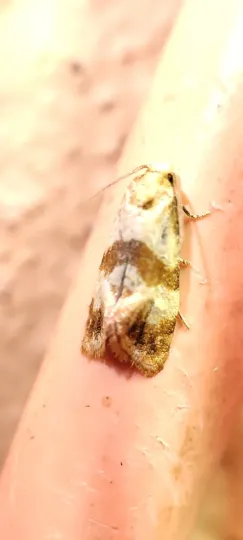
The Phalonidia moth belongs to the family Tortricidae, order Lepidoptera. Adult specimens are small, usually characterized by a wingspan ranging from 12 to 18 mm, with forewings that display intricate ochreous or brownish patterns designed for camouflage.
The larvae, or caterpillars, possess cylindrical bodies typically yellowish-green in color, with a sclerotized head capsule. Their appearance is consistent with many tortricid pests, making specific morphological identification challenging without expert knowledge.
Monitoring for this pest is predominantly carried out using synthetic pheromone traps. These traps are essential for detecting the initial flight of adults and assessing the population density within an orchard or field.
The biological development is heavily influenced by ambient temperature and seasonal light cycles. Understanding these developmental stages is crucial for timing agricultural interventions effectively to minimize economic damage.
Hibernation usually occurs in the pupal stage, with the insects sheltering in leaf litter or bark crevices. This overwintering strategy allows them to survive cold winters, emerging as adults early in the following growing season.
What it damages
Phalonidia species primarily infest fruit crops, including apple, pear, and stone fruits. The larvae cause direct damage by feeding on vegetative and reproductive plant organs, leading to stunted growth and reduced fruit yield.
Upon hatching, larvae target buds and young leaves, spinning them together with silk to create protective shelters. This architectural modification of the foliage disrupts photosynthetic activity and weakens the overall plant vigor.
Damage to floral clusters is particularly severe, as the larvae consume the developing reproductive organs. This often leads to flower abortion and significantly lowered fruit set, directly impacting total harvest volumes.
Secondary damage is often associated with the entry of pathogens into plant tissues through feeding wounds. This exacerbates the physical harm caused by the larvae, leading to necrosis or fruit rot in susceptible varieties.
The economic impact is measured by the reduction in both quality and quantity of the yield. In severe infestations, the loss of fruit can reach levels that threaten the profitability of commercial orchards.
When it appears
The flight period for adult moths typically commences in early spring, coinciding with the first signs of vegetative growth. This synchronized emergence allows the next generation to exploit the availability of young, tender plant tissue.
Larval activity reaches its peak during late spring and early summer. During this timeframe, the caterpillars are most voracious, causing visible damage to foliage, buds, and young, developing fruit structures.
The number of annual generations depends on regional climate, with warmer latitudes often supporting multiple overlapping cycles. This makes prolonged vigilance necessary for effective pest management programs.
As summer temperatures increase and the season progresses, larval activity typically begins to subside due to both natural mortality and life-cycle completion. However, localized infestations may persist until late in the season.
In the autumn months, as the lifecycle nears its conclusion, the surviving individuals prepare for the dormant period. The process of pupation in protected sites marks the end of the active seasonal cycle.
Signs of infestation
The most distinctive symptom of infestation is the presence of webbed or tightly rolled leaves. These structures serve as larval nests and are highly visible during routine inspections of plant canopies.
- Silk webbing connecting leaf clusters.
- Small boreholes in developing flower buds.
- Frass deposits found within webbed leaf shelters.
- Premature yellowing or shedding of fruitlets.
Terminal shoot damage is another significant indicator. When larvae feed on the apical meristem, the growth of the shoot is stunted or deformed, which is often easily identified in fast-growing fruit trees.
Visible feeding patterns on the surface of young fruit may also occur. These feeding scars often manifest as scabs or depressions as the fruit matures, rendering the crop unmarketable for the fresh market.
Effective scouting during the early morning or evening hours, when the insects may be more active or visible, can help confirm the species' presence before widespread damage occurs in the field.
Control measures
Cultural control methods, such as removing and destroying infested plant material, are effective for small-scale gardening. This manual intervention prevents the spread of larvae to neighboring healthy plants.
Biological control options involve the application of microbial insecticides, such as products containing Bacillus thuringiensis. These treatments specifically target lepidopteran larvae while sparing beneficial predatory insects.
Chemical control programs must be strictly timed according to the biological cycle of the pest. Using selective insecticides during the peak of larval emergence ensures the highest efficacy while minimizing non-target effects.
Autumn soil management, including tillage around the base of trees, disrupts the pupation environment. By destroying overwintering sites, the total population pressure for the upcoming spring is significantly reduced.
Mating disruption using pheromone dispensers is a highly targeted and environmentally friendly strategy. It prevents the mating of adults, thereby naturally suppressing future generations without the need for broad-spectrum chemical inputs.
Taxonomy
- Latin name
- Phalonidia
- Order
- Lepidoptera (butterflies)
- Family
- Tortricidae
- EPPO code
- PHADSP
Discussion
No discussions yet — be the first.