
Phalonia zephyrana
Phalonia zephyrana
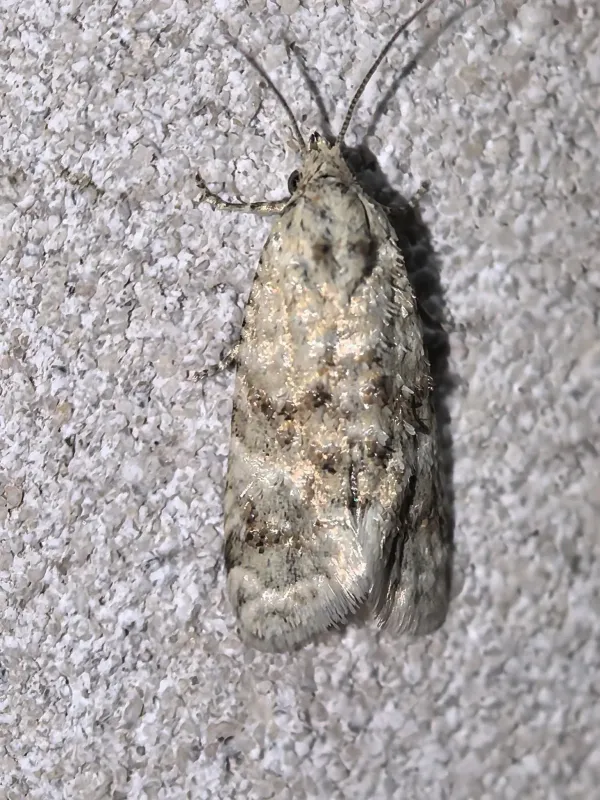
Description
How to identify
Phalonia zephyrana is a species of moth belonging to the family Tortricidae, known for its cryptic coloration that helps it blend into the surrounding vegetation.
These moths are typically active at night or during twilight, which makes them difficult to observe in the field without using specific attraction methods like light traps.
The larvae, or caterpillars, are the primary damaging stage and possess strong mouthparts adapted for boring into the stems and reproductive parts of host plants.
The pupal stage is often spent in the soil or protected within plant debris, which provides a high survival rate during periods of environmental stress.
Correct identification of this species involves examining the wing pattern of the adult moth and identifying the specific larval feeding habits within the host plant tissue.
What it damages
The species primarily targets plants within the Asteraceae family, particularly affecting wild and cultivated flowers that provide essential floral resources.
Larvae bore into stems and flower heads, destroying the internal tissues and disrupting the plant's ability to transport nutrients and produce healthy seeds.
This internal feeding often results in the wilting of terminal growth or the complete failure of the flower head to develop, severely impacting yields.
By damaging the reproductive structures, the moth effectively halts the plant's propagation cycle, which is a major concern for both commercial seed growers and gardeners.
In addition to direct damage, the entry holes created by the larvae provide easy access for secondary pathogens, such as fungi and bacteria, to infect the plant.
When it appears
The life cycle of Phalonia zephyrana is closely synchronized with the phenology of its host plants, with adults emerging during the late spring and summer months.
Egg-laying typically occurs during the bud formation stage, ensuring that larvae have immediate access to high-quality food sources upon hatching.
Caterpillar activity peaks during the early to mid-summer period when host plants are actively developing their flowers and seed-bearing structures.
The species survives the winter months in a state of diapause, usually as a pupa or mature larva hidden in the soil or under leaf litter.
Warming temperatures in the spring trigger the reactivation of the pest, aligning its developmental stages with the onset of the growing season for host plants.
Signs of infestation
Early warning signs include the unexpected wilting of flower buds or small shoots, often mistaken for drought stress or minor nutritional deficiencies.
Closer inspection often reveals small holes on the surface of the stems or flower heads, frequently surrounded by frass, which is evidence of larval feeding.
Deformed flower heads or blossoms that fail to open properly are classic indicators that a larva is consuming the inner tissues of the flower bud.
Silken webbing around the base of the flower head is often visible, indicating that the caterpillar is using it to secure its feeding site.
Discoloration or premature browning of the plant tissue surrounding the area of infestation is a strong indicator of the damage caused by the larvae.
Control measures
Cultural control is a cornerstone of management, involving the destruction of infested plant material and thorough tilling of the soil in autumn to disturb overwintering sites.
Biological control agents, such as specialized parasitoids or bacterial insecticides like Bacillus thuringiensis, can provide effective management of larval populations.
Chemical control should be reserved for periods of high infestation, utilizing systemic insecticides that can reach the larvae hidden within the plant stems.
The use of pheromone traps for monitoring is recommended to determine the optimal timing for interventions, ensuring maximum efficacy and minimal environmental impact.
Maintaining a balanced ecosystem that supports natural predators of moths, such as birds and predatory insects, can help keep Phalonia zephyrana populations in check.
Taxonomy
- Latin name
- Phalonia zephyrana
- Order
- Lepidoptera (butterflies)
- Family
- Tortricidae
- EPPO code
- PHAOZE
Discussion
No discussions yet — be the first.