
Phalonia
Phalonia
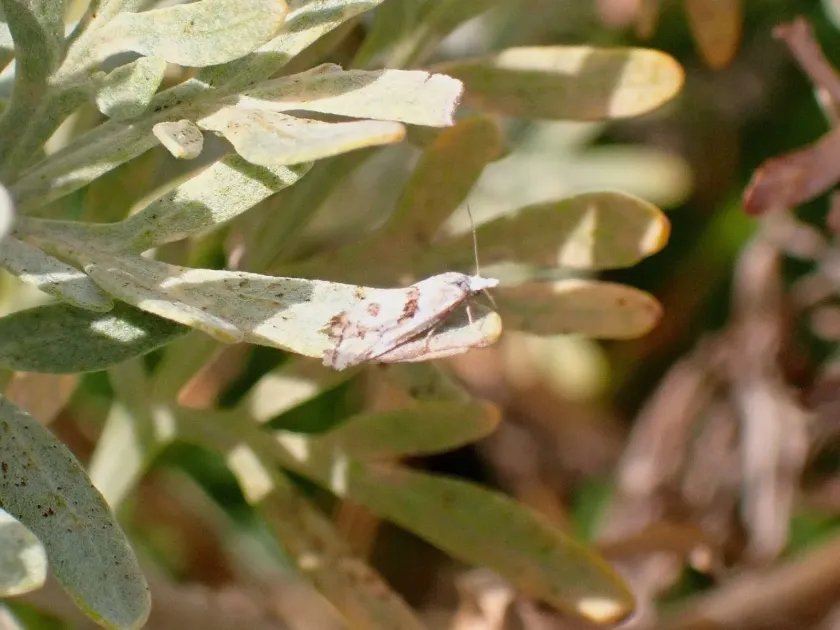
Description
How to identify
The moth Phalonia belongs to the family Tortricidae, order Lepidoptera. These moths are typically small, with a wingspan of 15–20 mm, and are characterized by a bell-shaped appearance when at rest, which is a hallmark of the leafroller family.
The larvae, or caterpillars, are usually yellowish-green to brownish with dark-colored head capsules. They are highly active and often drop from the foliage on silk threads if disturbed, making them difficult to spot during routine inspections.
Pupation occurs within a sturdy silk cocoon constructed from leaves or debris. The species usually overwinter in the larval or pupal stage, seeking shelter within bark crevices or other protected microhabitats in the orchard environment.
Adult moths are primarily nocturnal or crepuscular. Due to their elusive nature, identification often requires the use of pheromone traps or specific light traps to attract males for monitoring purposes during the flight period.
Biological development is heavily dependent on weather conditions; warm, humid springs facilitate rapid population growth. Understanding the insect's phenology is essential for timing interventions effectively within an Integrated Pest Management (IPM) program.
What it damages
The primary hosts of Phalonia include various fruit trees such as apples, pears, and plums. The larvae cause direct damage by feeding on leaves, buds, and, most importantly, the developing fruit of the trees.
Early-season larvae skeletonize leaves and tie them together with silk, forming characteristic bundles. This feeding behavior reduces the tree's photosynthetic capacity, which can stunt growth and weaken the plant's overall vigor.
Damage to the generative organs is particularly destructive. Larvae bore into flower buds and young fruit, causing them to wither, deform, or drop prematurely. This results in significant quantitative losses to the harvest.
Beyond physical damage, the entry holes created by larvae serve as infection points for secondary pathogens, such as fungi or bacteria, leading to fruit rot and reducing the shelf life of the remaining healthy crop.
In high-density commercial orchards, unchecked infestations can result in economic losses exceeding 20–30% of the total yield, necessitating rigorous monitoring and timely control measures to protect the commercial value of the fruit.
When it appears
The first flight of adults typically coincides with the tree phenology stages of bud burst and early flowering. This is when mating occurs and females begin depositing eggs on the surface of young leaves and flower clusters.
The larval feeding period spans from late spring through mid-summer. Depending on the local climate and the species' specific biology, the moth may undergo one or two generations per season, with the latter often being the most damaging.
Mid-summer marks the development of the second generation, which focuses heavily on feeding within the maturing fruit. This timing makes the mid-season phase the most critical period for applying protective treatments.
As temperatures begin to drop in autumn, larvae prepare for diapause. They seek protected sites such as bark fissures or debris at the base of the trees to overwinter and complete their life cycle the following spring.
Pheromone trapping is the standard practice for seasonal monitoring. By tracking the population peaks, growers can predict the optimal window for applying insecticides, ensuring maximum efficacy while minimizing collateral damage to beneficial insects.
Signs of infestation
The most visible sign of infestation is the presence of tightly rolled or bunched leaves secured by silk threads. Unfurling these bundles usually reveals the larva or its frass (waste) trapped inside.
Injured flower clusters are another indicator. Buds may appear withered or bored into, failing to open properly. This damage often results in the loss of potential fruit sets early in the growing season.
Visible entry holes on young fruit, often surrounded by silk threads or dark, decaying tissue, confirm the presence of leafroller larvae. These marks are distinct and often lead to fruit drop if the damage is severe.
Presence of fine webbing between leaves and fruit is a clear sign of larval movement. In the morning, when dew is present, this webbing becomes much easier to detect on the branches of infected trees.
Increased bird activity within the orchard canopy can also be a helpful indicator. Birds frequently forage for these larvae, and their focused activity on specific trees often correlates with a high density of the pest.
Control measures
Chemical control focuses on the use of selective systemic insecticides. These should be applied when larvae are in their early instars, before they have successfully bored into the fruit or created protective leaf rolls.
Biological control methods include the application of Bacillus thuringiensis (Bt), which targets the larvae directly. This approach is highly effective and is considered a cornerstone of sustainable orchard management.
Cultural practices such as scraping loose bark from tree trunks during winter remove overwintering sites. Regular removal and destruction of infested foliage and fallen fruit help reduce the local population density for the following year.
Enhancing natural biodiversity by planting nectar-rich flowers in orchard borders encourages beneficial insects, such as predatory wasps and parasitoids like Trichogramma, which prey on leafroller eggs and larvae.
Regular monitoring using pheromone traps allows for threshold-based decision-making. By applying treatments only when necessary, growers can protect their harvest while maintaining a healthy balance in the orchard ecosystem.
Taxonomy
- Latin name
- Phalonia
- Order
- Lepidoptera (butterflies)
- Family
- Tortricidae
- EPPO code
- PHAOSP
Discussion
No discussions yet — be the first.