
Phaenomerus
Phaenomerus
Description
How to identify
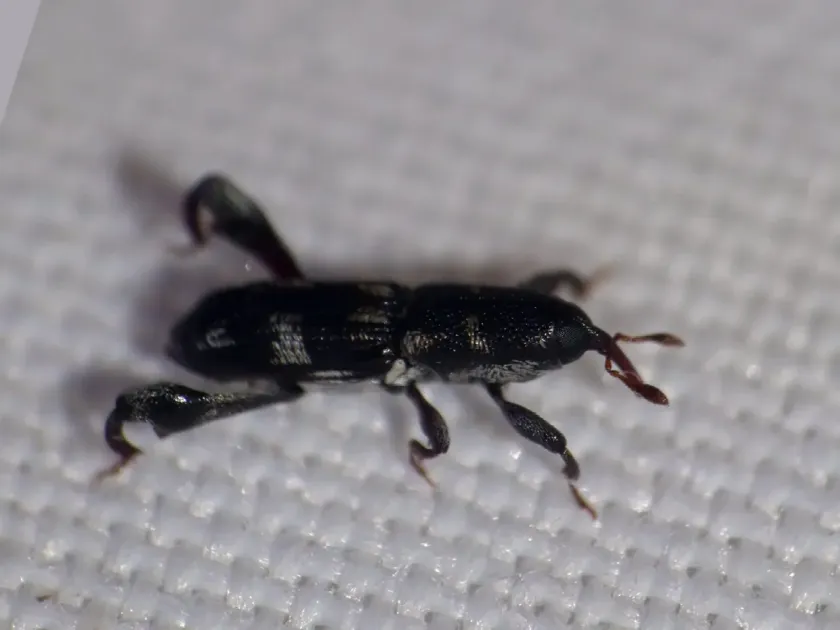
Phaenomerus is a genus of beetles belonging to the family Curculionidae, commonly known as true weevils. These insects are characterized by a distinct elongated body shape and a prominent rostrum (snout), which is a diagnostic feature of the subfamily.
Adult beetles typically possess a hard, dense exoskeleton with colors ranging from dark brown to black. They are relatively small, usually measuring between 3 and 6 millimeters in length, making them difficult to spot against dark bark.
The genus can be identified by the specific surface texture of their elytra, which often feature longitudinal grooves or punctures. Their elbowed antennae are another critical feature used by entomologists for accurate classification.
The larvae are typically legless, cream-colored grubs with a curved body shape. They have a well-developed, hardened head capsule, which allows them to effectively bore into the woody tissues of their host plants.
Systematically, Phaenomerus belongs to the subfamily Cossoninae. These beetles are primarily xylophagous and are often found in association with weakened or stressed woody plants, where they feed on the cambium and sapwood.
What it damages
This pest primarily affects a variety of woody species, including timber trees and certain orchard crops. Plants experiencing physiological stress are the most susceptible to infestations by these beetles.
Damage is caused both by adults, which may feed on young shoots and buds, and by larvae, which tunnel extensively beneath the bark. This activity disrupts the transport of nutrients and water within the plant.
In nursery settings, a Phaenomerus infestation can cause significant growth stunting and, in severe cases, the death of young saplings. The compromised tissue also makes the tree highly prone to secondary fungal infections.
The economic impact of the pest is linked to the reduction of plant vitality and the loss of merchantable timber or fruit-bearing branches. The destruction of vascular tissue leads to the gradual decline of the host plant.
Damage often manifests in areas where the tree's natural defense mechanisms, such as resin or gum exudation, are insufficient to repel the boring larvae. This allows the population to establish itself under the bark layers.
Signs of infestation
The most reliable sign of a Phaenomerus infestation is the presence of small, round entry holes on the bark surface. These are often accompanied by piles of sawdust-like frass produced by the larvae while tunneling.
Removing a section of the affected bark often reveals intricate, winding galleries created by the larvae. These galleries disrupt the cambium layer, which is vital for the tree's healthy growth and nutrient transport.
Visible signs of decline, such as premature leaf yellowing, branch wilting, or branch dieback, suggest that the infestation has reached a level that interferes with the plant’s systemic functions.
Adult beetles are often active during twilight hours, and can sometimes be observed crawling on the trunks of host trees. They are particularly attracted to existing mechanical wounds or previously weakened areas.
Exit holes indicate that a new generation of adults has matured and emerged. The appearance of numerous fresh exit holes in late spring or summer is a clear indicator that the pest population is active and expanding.
Control measures
The primary control strategy involves good horticultural practices that maintain tree vigor. Healthy trees with adequate water and nutrient supplies are much better equipped to naturally resist pest attacks.
Sanitary pruning is essential; all infested branches should be removed and destroyed promptly. This prevents the emergence of adults and the further spread of the infestation to healthy parts of the orchard or forest.
Systemic insecticides can be used during the peak emergence periods of adult beetles. These treatments are absorbed by the plant and provide protection against both adults and developing larvae within the wood.
Mechanical control, such as using sticky traps or bands on trunks, can help monitor and reduce the population of wandering adults. This approach is environmentally friendly and helps manage the population density.
- Regular monitoring of bark and canopy health.
- Prompt disposal of infested wood material.
- Irrigation and fertilization to minimize plant stress.
- Application of biological agents like entomopathogenic fungi.
Taxonomy
- Latin name
- Phaenomerus
- Order
- Coleoptera (beetles)
- Family
- Curculionidae
- EPPO code
- PHNOSP
Discussion
No discussions yet — be the first.