
Perperus lateralis weevil
Perperus lateralis
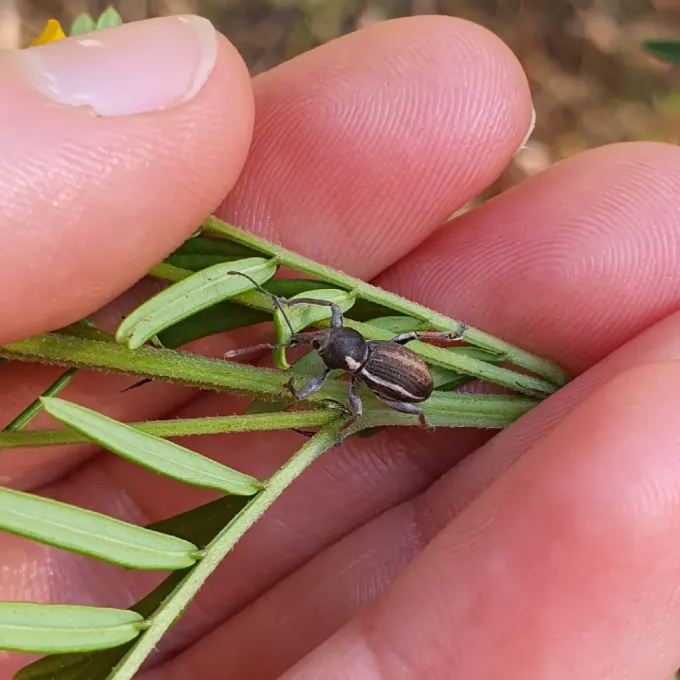
Description
How to identify
The Perperus lateralis weevil is a member of the Curculionidae family, within the order Coleoptera. It exhibits the classic morphological traits of root-feeding weevils.
Adults possess a robust body usually covered in scales, providing effective camouflage against soil and plant bark, making them difficult to spot in their natural habitat.
The larvae are typically soil-dwelling, legless, and white or creamy in color with a hard, brown head capsule, specialized for chewing through roots.
Identification often requires careful examination of the rostrum and antennal structure, as the genus Perperus contains several closely related species.
These insects are highly adaptable, which allows them to thrive in various agricultural environments, from orchards to intensive vegetable production systems.
What it damages
This pest is known to cause significant damage to a wide range of agricultural crops, particularly targeting seedlings and young perennial plants.
Adult feeding causes irregular notches on the edges of leaves, which can lead to severe defoliation and a reduction in the plant's overall photosynthetic capacity.
The larval stage is responsible for major damage to the root system, stripping away smaller roots and boring into larger ones, which prevents effective nutrient uptake.
Plant damage caused by Perperus lateralis often makes the host susceptible to secondary pathogens, including fungi and bacteria that enter through feeding wounds.
In nursery settings, heavy infestations of this weevil can lead to total crop failure or the loss of significant amounts of planting stock.
When it appears
The life cycle of Perperus lateralis is largely dictated by temperature and soil moisture levels, which trigger developmental milestones.
Emergence of adult weevils from the soil generally occurs during the warming spring months, coinciding with the onset of the host plant's vegetative growth.
Eggs are deposited in the soil near the root zone, ensuring that upon hatching, the larvae have immediate access to their primary food source.
Wintering usually takes place in the larval or pupal stages deep within the soil profile, providing a buffer against freezing temperatures and environmental stress.
In warmer climates, the life cycle may overlap, meaning that multiple life stages can be found simultaneously throughout the active growing season.
Signs of infestation
The most recognizable symptom of a Perperus lateralis infestation is the distinctively scalloped edges of the leaves caused by adult feeding.
Wilting of leaves, particularly during the hottest parts of the day, is a classic warning sign of root damage caused by larvae feeding underground.
Checking the root zone of stunted or sickly plants often reveals larvae or severe feeding damage to the root system compared to healthy specimens.
Observations at night or during twilight hours may reveal adult weevils actively feeding on the foliage of the affected host plants.
Consistent patterns of plant decline in specific areas of the field suggest the presence of soil-bound populations of this particular pest.
Control measures
Managing Perperus lateralis requires a multi-faceted strategy that combines cultural, biological, and chemical interventions for optimal results.
Cultural practices such as soil cultivation and regular weeding help disrupt the larval environment and reduce the overall population of the pest.
Biological control agents, specifically entomopathogenic nematodes, have shown promise in targeting soil-dwelling larvae without harming the plant.
Chemical applications should be strategically timed to target adult weevils before they initiate oviposition, ensuring maximum protection for the crop.
Monitoring populations through the use of traps allows for precise timing of interventions, reducing the frequency of chemical applications required.
Taxonomy
- Latin name
- Perperus lateralis
- Order
- Coleoptera (beetles)
- Family
- Curculionidae
- EPPO code
- PRPRLA
Discussion
No discussions yet — be the first.