
Beach mouse
Peromyscus polionotus
Description
How to identify
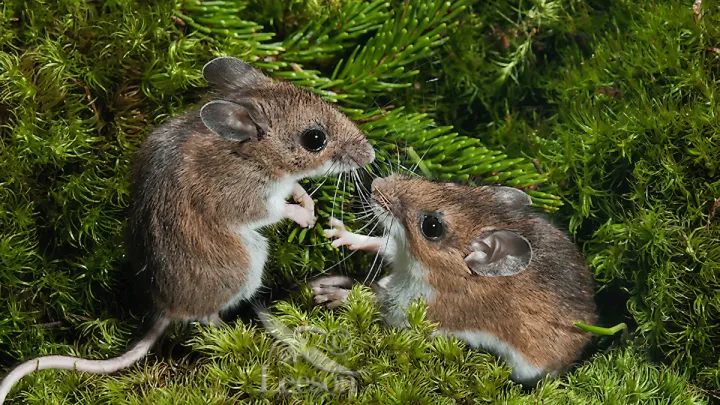
The beach mouse (Peromyscus polionotus) is a small rodent belonging to the Cricetidae family and the Rodentia order. These animals typically feature soft fur ranging from pale gray to light brown, with a characteristic white underside and feet.
Measuring approximately 12–15 centimeters in total length including the tail, they are equipped with large eyes and ears suited for a nocturnal lifestyle. Because they are active mostly at night, they are often difficult to spot during daylight hours.
One of their primary biological traits is their ability to construct complex underground burrows. These burrows often feature multiple exits, providing the mice with quick escape routes and stable microclimates for nesting, regardless of surface weather conditions.
Beach mice demonstrate high adaptability to various soil types, particularly sandy and loose soils. This adaptability allows them to thrive in agricultural areas where they can easily dig their homes and access food resources.
These rodents possess a high reproductive rate, which allows their populations to bounce back or expand quickly within a single growing season. Under favorable conditions, females can reproduce multiple times a year, necessitating constant monitoring.
What it damages
Beach mice pose a significant threat to agricultural productivity by consuming seeds immediately after sowing. This leads to sparse crop emergence and often necessitates costly reseeding of affected field areas.
During the development stage, the rodents damage young stems and stalks of grain crops. By chewing through young shoots, they interrupt plant growth, directly resulting in lower yields and significant economic loss for farmers.
Vegetable and melon crops are also vulnerable, as beach mice may gnaw on root systems or damage fruit that touches the ground. These injuries can lead to the introduction of soil-borne pathogens, causing plant decay.
Their burrowing activities disrupt soil structure, which can cause localized drying of the root zone. This physical damage to the soil often harms the overall vitality of the crop, especially during periods of low moisture.
In cases where crops are stored near fields, these rodents may migrate into storage facilities. They consume harvested grain, contaminate it with waste, and create conditions suitable for the growth of molds and fungi.
Signs of infestation
The most prominent sign of a beach mouse infestation is the presence of burrow entrances, usually 3–5 centimeters in diameter. These are often accompanied by small, fan-shaped mounds of excavated soil at the burrow entrance.
In affected fields, farmers can observe localized patches of damaged crops. These areas typically show where the mice have concentrated their efforts, often resulting in complete loss of seedlings in those specific spots.
Remnants of stems, seed husks, and distinct gnaw marks on roots or fruit are clear indicators of their presence. Additionally, faint footprints may be visible in loose soil, especially after rainfall or heavy morning dew.
Increased activity of avian predators or small mammals in fields during unusual hours can be a behavioral sign of a high rodent population density that the predators are hunting.
Using bait stations for monitoring is an effective way to confirm an infestation. If bait is consistently removed overnight, it provides strong evidence of active rodent presence within the field boundaries.
Control measures
Effective control of beach mice relies on a combination of cultural and chemical strategies. Deep fall plowing is the most effective mechanical method, as it collapses burrow systems and destroys nesting sites, forcing the population to decline.
Maintaining clean field margins and clearing weeds from fence lines is essential. By removing alternative food sources and cover, farmers make the agricultural environment less hospitable to these rodents.
When chemical control is necessary, rodenticides should be applied using targeted methods, such as placing bait directly into burrows. This approach minimizes the risk of exposure to non-target species, including birds and beneficial mammals.
Biological control measures, such as providing nesting boxes for owls or perches for hawks, can help manage rodent populations naturally over the long term, reducing the need for chemical intervention.
Regular field scouting during early crop growth stages is critical. By identifying infestation hotspots early, farmers can take timely action to prevent the population from reaching levels that cause significant yield loss.
Taxonomy
- Latin name
- Peromyscus polionotus
- Order
- Rodents
- Family
- Muridae
- EPPO code
- PERMPO
Discussion
No discussions yet — be the first.