
Pelochrista
Pelochrista
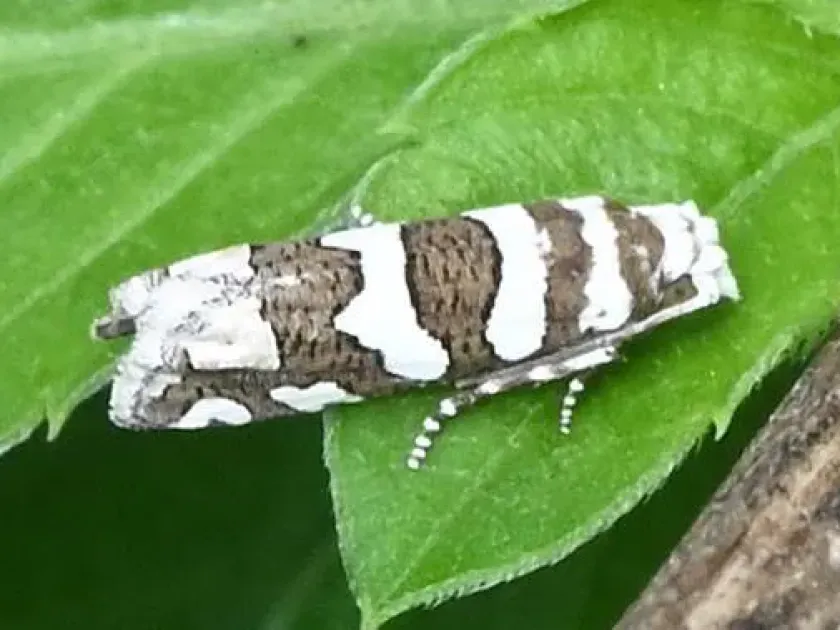
Description
How to identify
The genus Pelochrista belongs to the Tortricidae family, order Lepidoptera. These moths are typically small, with forewings that feature intricate patterns and colors providing excellent camouflage on their host plants.
Adult moths are primarily nocturnal or crepuscular. The larvae are cylindrical, often displaying a yellowish or greenish hue with a darker head capsule, allowing them to remain inconspicuous inside plant tissues.
Accurate identification of this genus often requires microscopic examination of the male and female genitalia, as many species within the Tortricidae family appear superficially identical.
The life cycle consists of four stages: egg, larva, pupa, and adult. They typically overwinter as mature larvae within plant debris or near the soil surface.
Pupation occurs in spring or early summer in the areas where larvae feed, followed by the emergence of new adult moths that will mate and lay eggs on suitable host plants.
What it damages
Pelochrista larvae are known to infest a variety of plants, particularly those belonging to the Asteraceae and Fabaceae families, including several essential agricultural crops.
These larvae are internal feeders: they bore into stems, buds, or flowers, consuming the internal tissues and disrupting the plant's vascular development.
Economic damage is observed through stunted growth, reduced vegetative mass, and significant yield losses, especially in regions where pest populations reach high levels.
In seed production fields, damage to inflorescences is particularly devastating, as it can lead to the total loss of the crop's reproductive capacity.
Injured tissues often become entry points for secondary pathogens, such as fungi and bacteria, further complicating the health status of the infested crop.
Signs of infestation
Initial signs of infestation include small entry holes on stems or wilting and deformed buds, within which larval tunnels or excrement (frass) can usually be found.
A classic symptom is the sudden wilting of specific branches or flowers while the rest of the plant remains turgid, indicating that the larval feeding has damaged the conductive vessels.
Upon inspecting the inflorescences, one may notice thin silken webs used by the larvae to bind petals or flower parts, providing a protective shelter during feeding.
Egg masses can sometimes be found on the undersides of leaves or near the base of the plant; these are usually small, flattened, and colored to blend into the plant surface.
Monitoring the adult population using light traps during the peak emergence period is a reliable way to assess the risk of potential damage to the crops.
Control measures
Cultural control measures, such as deep autumn plowing, are highly effective as they disturb the overwintering sites of the larvae and significantly reduce pest density in the soil.
Sanitation is crucial; removing and destroying crop residues promptly after harvest is a vital strategy to prevent the buildup of pest populations for the following season.
Chemical control should be timed based on regular field scouting, specifically targeting the period when larvae are newly hatched but have not yet bored deep into the plant tissues.
Systemic insecticides are generally preferred for Pelochrista control because they can penetrate plant tissues to reach and eliminate the larvae hiding inside stems or buds.
Biological control, focusing on the preservation and augmentation of natural enemies such as parasitic wasps, is a sustainable approach to suppressing pest outbreaks in the long term.
Taxonomy
- Latin name
- Pelochrista
- Order
- Lepidoptera (butterflies)
- Family
- Tortricidae
- EPPO code
- PLCXSP
Discussion
No discussions yet — be the first.