
Collared peccary
Pecari tajacu
Description
How to identify
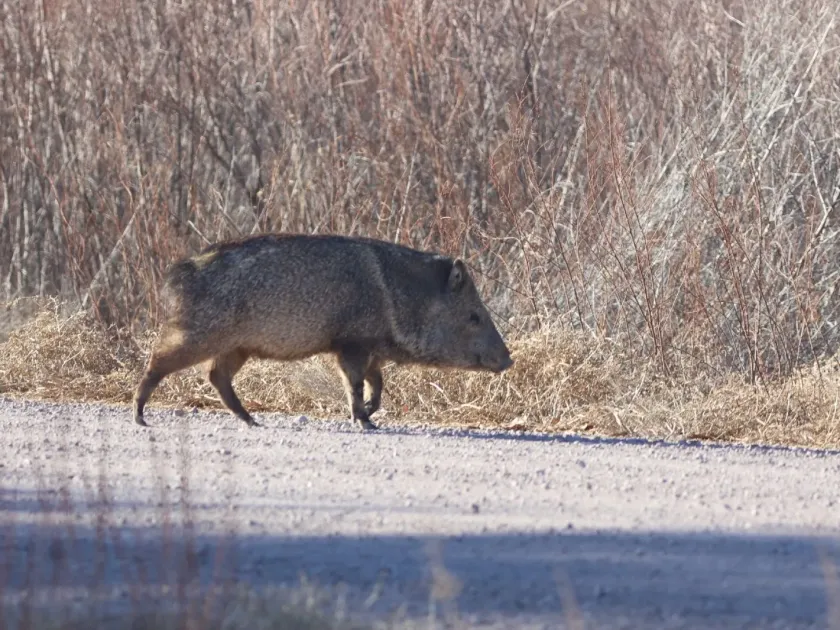
The collared peccary is a medium-sized ungulate belonging to the Tayassuidae family. It resembles a small wild boar, characterized by a light-colored band of hair around its neck, which gives it its common name.
These animals are highly social, living in groups called herds, which can range from a few individuals to several dozen. This group behavior significantly increases their impact when they invade agricultural lands.
Adaptability is a key trait of the species; they thrive in various environments ranging from tropical forests to arid brushlands. This ecological flexibility allows them to integrate into agricultural zones effortlessly.
Biologically, peccaries possess strong snouts designed for rooting in the soil, which is an essential part of their feeding behavior. This anatomy makes them particularly destructive to underground plant parts and root crops.
Breeding throughout the year allows populations to recover quickly after control measures. Understanding their reproductive cycle is crucial for long-term farm management and damage mitigation strategies.
What it damages
Collared peccaries are known to damage a variety of crops including corn, sorghum, melons, and root vegetables. Their feeding habits involve both consuming the produce and trampling the surrounding vegetation.
The rooting behavior causes significant damage to the root systems of crops, leaving the plants unstable and vulnerable to environmental stress. This often results in secondary infections by soil-borne pathogens.
Economic damage is often acute due to the speed at which a herd can consume or ruin a harvest. Farmers often face total loss in localized sections of their fields, leading to reduced yield and financial instability.
Soil erosion is a common consequence of their activities, as they expose large areas of soil while foraging. This degradation of the topsoil requires extra effort and cost to restore the field's health for future planting.
In addition to crops, peccaries can cause physical damage to farm infrastructure, such as irrigation pipes, wire fences, and plastic materials, often driven by curiosity or their need to clear a path.
Signs of infestation
The presence of peccaries is indicated by their distinctive, small hoof prints compared to those of larger wild boars. Tracks are often accompanied by signs of extensive digging or soil disturbance.
Well-worn trails leading from nearby thickets to the cultivated areas are clear indicators of their activity. These paths are often maintained and reused by the herd during their nightly foraging trips.
A musky, pungent odor is often present in areas where peccaries dwell. This scent, produced by their dorsal glands, helps them communicate within the group and serves as a reliable marker for their activity zones.
Evidence of feeding is easily observed through damaged plant stalks and partially consumed fruit. Their sharp teeth leave clean, jagged bites, which distinguish their damage from other small rodents or bird pests.
Using trail cameras is the most accurate way to identify their movement patterns. This data allows for the targeted placement of deterrents and helps in planning effective perimeter security measures.
Control measures
Sturdy, permanent fencing is the most effective way to keep peccaries out. The fence should be buried at least 30-50 cm deep to prevent the animals from digging underneath, as they are expert excavators.
Electric fencing, when installed correctly with multiple strands at appropriate heights, acts as a significant deterrent. Maintenance is required to keep the lines clear of debris and fully powered.
Repellents and sound-based devices can provide short-term relief. Using motion-activated lighting or noise emitters can disrupt their routine, but animals may eventually habituate, so rotating these methods is recommended.
Cultural control includes clearing thickets and dense vegetation around fields to reduce shelter opportunities. A more open perimeter makes the area less appealing for the herd to hide during the day.
Integrated Pest Management (IPM) involving local conservation authorities is recommended for high-pressure areas. Proper coordination helps balance farm protection with regional wildlife management regulations.
Taxonomy
- Latin name
- Pecari tajacu
- Family
- Tayassuidae
- EPPO code
- PECRTA
Discussion
No discussions yet — be the first.