
Paramadarus
Paramadarus
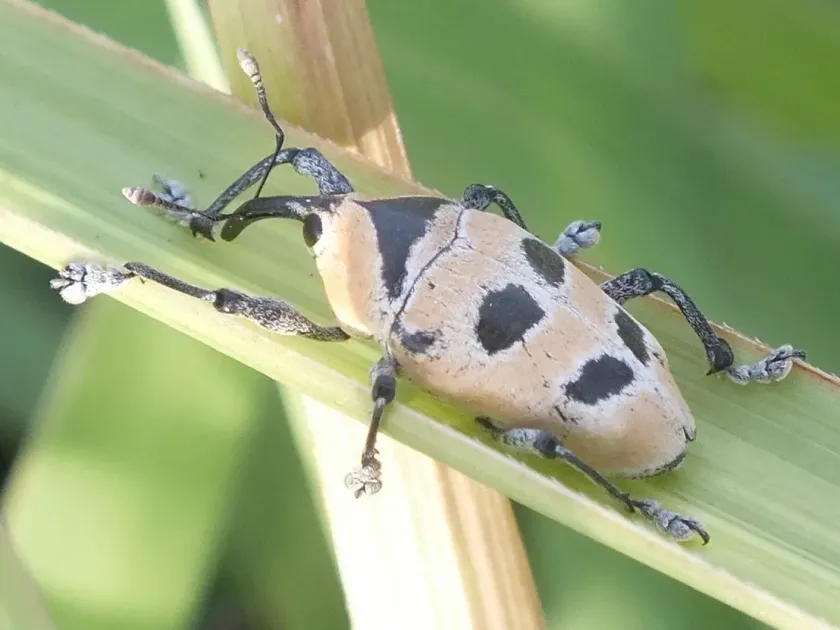
Description
How to identify
Paramadarus is a genus of insects belonging to the Curculionidae family, commonly known as weevils. These beetles are characterized by their elongated rostrum, a snout-like extension of the head used for feeding and laying eggs.
The adults are typically small and often exhibit cryptic coloration, allowing them to blend into the bark, stems, or leaves of their host plants, which makes detection challenging for farmers.
The life cycle of these beetles includes complete metamorphosis. The larval stages are often hidden, developing inside plant tissues or occasionally in the soil, depending on the specific species.
Understanding their taxonomy and morphological traits is essential for agricultural specialists to distinguish them from other non-harmful coleopterans present in the field.
These pests are highly specialized, often tethered to specific ecological niches, which means their presence is usually linked to the availability of their preferred host plants in the area.
What it damages
Paramadarus acts as a phytophagous pest, with both adults and larvae causing physical damage to agricultural and horticultural crops throughout the growing season.
Adult beetles primarily target tender foliage, buds, and young shoots. Their feeding results in defoliation, which reduces the photosynthetic area of the plant, directly impacting its growth rate.
Larval stages are particularly destructive as they tunnel into stems or roots, disrupting vascular tissues and preventing the efficient transport of water and nutrients to the canopy.
- Reduced overall plant vigor and stunted development.
- Increased susceptibility to secondary fungal and bacterial infections.
- Physical deformation of shoots and leaves.
- Premature abscission of reproductive organs such as flowers and buds.
Economic damage is cumulative; as the density of the larval population increases within the plant tissue, the severity of the systemic stress on the host plant becomes critical.
Signs of infestation
The primary diagnostic sign is the appearance of small, irregular feeding holes on leaves, known as shot-hole damage, caused by the adult weevils' mouthparts.
Wilting of shoots, especially during the peak of the day, despite adequate moisture, is a strong indicator of larval mining activities within the stem or root crown.
Visible changes in plant structure, such as stem lesions, swelling, or necrotic patches, often pinpoint the exact locations where larvae have been feeding or pupating.
The presence of frass (insect excrement) near the base of the plant or in leaf axils is another critical clue that suggests active infestation by Paramadarus.
During surveys, specialists look for these subtle signs early in the season to prevent the population from reaching levels that require extensive chemical intervention.
Control measures
Controlling Paramadarus requires an integrated approach that focuses on prevention through good cultural practices and strategic intervention when necessary.
Cultural control methods such as crop rotation and the removal of post-harvest debris are vital, as these practices eliminate the overwintering sites for the beetles.
Biological control involves maintaining a healthy ecosystem that supports natural predators, including parasitic wasps and ground beetles that prey on larval stages.
Chemical control should be considered as a last resort, using registered insecticides applied when adult populations exceed the economic threshold to minimize environmental impact.
Consistent field monitoring and proper soil management, including deep plowing after harvest, significantly reduce the carry-over of the pest population to the following season.
Taxonomy
- Latin name
- Paramadarus
- Order
- Coleoptera (beetles)
- Family
- Curculionidae
- EPPO code
- PRMDSP
Discussion
No discussions yet — be the first.