
Pandemis leafroller
Pandemis limitata
Description
How to identify
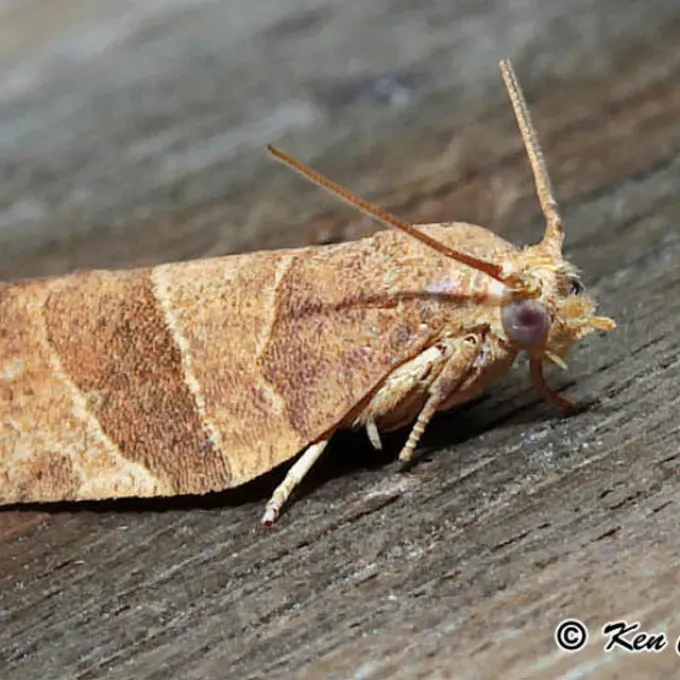
Pandemis limitata, commonly known as the Pandemis leafroller, belongs to the family Tortricidae in the order Lepidoptera. The adult moth typically has a wingspan ranging from 18 to 25 mm. The forewings feature distinctive brown or reddish-brown tones with darker transverse bands, providing excellent camouflage against tree bark.
The larvae progress through several instars during their development. The caterpillars are generally yellowish-green or bright green in color with a dark head. A lighter longitudinal stripe often runs along the back, which is a key diagnostic feature for field identification.
The pupae are brown and are typically concealed within leaves that have been rolled and tied together with silk. This shelter protects them from predators and direct environmental stressors, ensuring a higher survival rate during the transition to the adult stage.
The life cycle encompasses a complete metamorphosis: egg, larva, pupa, and adult. Depending on the geographical region and climate, the species may produce one or two generations annually, which dictates the severity of the infestation in orchard settings.
Overwintering occurs primarily at the early larval stage. These larvae hide in dense silk-lined cocoons deep within bark crevices or branch crotches. This behavior allows them to withstand extreme winter temperatures and resume feeding immediately as conditions become favorable in spring.
What it damages
As polyphagous pests, the larvae cause significant damage to a wide variety of woody plants. Fruit trees, particularly apple, pear, plum, and cherry, are among the most susceptible hosts affected by this leafroller.
In addition to orchard trees, the pest frequently targets small fruit bushes such as currants, raspberries, and gooseberries. If the population density is high, they may also migrate to ornamental plants like roses, causing significant defoliation and aesthetic damage.
Early in the spring, the larvae begin by skeletonizing buds and newly emerging foliage. As they grow, they proceed to consume entire leaf blades, leaving only the primary veins, which severely hinders the tree's photosynthetic capacity and overall vigor.
The most economic damage is observed when larvae feed on developing fruit. They gouge deep cavities into the fruit surface, which not only lowers the market value of the harvest but also creates entry points for secondary fungal infections such as fruit rot.
Severe infestations can lead to substantial yield losses, sometimes exceeding 30-50%. The cumulative stress on the trees also reduces their winter hardiness and can negatively impact their reproductive potential in the following growing season.
When it appears
The flight of the first-generation moths typically begins in the spring, coinciding with the blossom period of the fruit trees. After mating, females deposit eggs in clusters on the upper leaf surface, covering them with a protective, waxy secretion.
The larval feeding period spans almost the entire growing season. The first generation is most active during May and June, which corresponds to the crucial phase of leaf development and early fruit set.
A second generation of moths emerges in mid-summer, usually during July or August. This generation poses a direct threat to maturing fruit, particularly in late-season varieties that are susceptible to damage until harvest time.
Pupation occurs within rolled leaves or bark crevices. The development speed is highly dependent on ambient temperatures; warmer conditions accelerate the life cycle, potentially leading to overlapping generations and more persistent pest pressure.
By autumn, the early-instar larvae settle into their overwintering sites. Monitoring environmental conditions in late summer is vital, as it allows growers to predict potential population surges and plan protective measures accordingly for the next year.
Signs of infestation
The first indicator of an infestation is the presence of rolled or folded leaves, tightly bound with silk webbing. Inside these "nests," one can often find the larvae or their characteristic frass (excrement).
The presence of excrement on the leaf surface or near fruit damage is a reliable sign of active feeding. Larvae often leave visible silk trails on branches and twigs as they move throughout the canopy.
Damaged fruit often shows irregular, pitted feeding scars surrounded by silk webbing. If silk is detected on a fruit, it is a strong indicator that a larva has been actively protecting its feeding site.
Visual inspections in early spring often reveal damaged buds that fail to open or show signs of being chewed. This early symptom confirms the presence of overwintered larvae beginning their feeding cycle.
Pheromone traps are highly effective for diagnostic purposes. Monitoring the flight of male moths provides critical data on population peaks, allowing growers to time their insecticide applications for maximum efficacy.
Control measures
Cultural control methods focus on disrupting the pest's life cycle. Recommended practices include cleaning tree trunks of old, loose bark, disposing of fallen leaves, and pruning infested branches to reduce overwintering sites.
Biological control options involve the use of bacterial formulations, such as those based on Bacillus thuringiensis. These products are eco-friendly and target the larvae effectively without harming beneficial insects or pollinators.
- Utilizing pheromone traps for population monitoring and timing.
- Application of biological insecticides during larval emergence.
- Installing sticky bands on trunks for mechanical protection.
- Promoting natural enemies like lacewings and predatory bugs.
Chemical control should be strategically planned based on monitoring data. Treatments with systemic or contact insecticides are most effective during the early larval stage, before they become protected within the rolled leaves.
An Integrated Pest Management (IPM) approach is recommended, alternating between different classes of insecticides to prevent the development of resistance. Combined preventive and monitoring efforts are the most sustainable way to keep populations below economic damage thresholds.
Taxonomy
- Latin name
- Pandemis limitata
- Order
- Lepidoptera (butterflies)
- Family
- Tortricidae
- EPPO code
- PANDLI
Discussion
No discussions yet — be the first.