
Pandeleteius
Pandeleteius
Description
How to identify
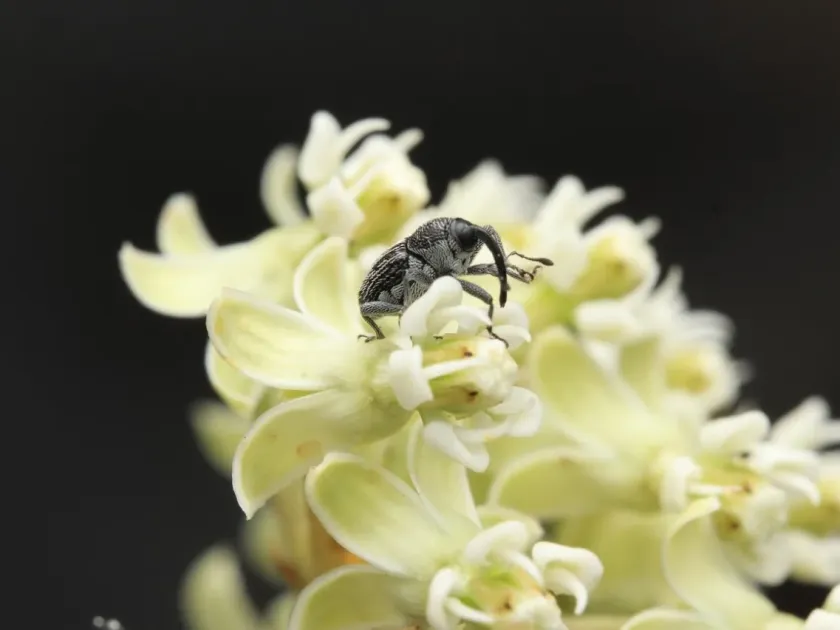
Pandeleteius is a genus of snout beetles belonging to the family Curculionidae, specifically the subfamily Entiminae. These beetles are characterized by their elongated rostrum, typical of the broad-nosed weevil group.
Adult beetles possess an appearance that provides excellent camouflage against tree bark, stems, and leaf surfaces, making them quite difficult to spot during routine field inspections.
Their bodies are covered with small, often dull-colored scales that reflect environmental patterns, aiding in their concealment from predators and agricultural scouts.
Larvae are typically white, C-shaped, legless, and have a distinct, hard-to-miss dark head capsule, which is adapted for life within soil or plant tissues.
Morphological identification to the species level is often challenging and frequently requires the examination of male or female genitalia by specialists to confirm the exact species present.
What it damages
Adult Pandeleteius feed on the foliage of host plants, causing characteristic semi-circular notches along the leaf margins, which is a classic symptom of weevil feeding.
A variety of plants can serve as hosts, including different legumes and woody species, leading to potential economic losses in orchards and nursery settings if left unmanaged.
While adults consume leaves, the subterranean or internal feeding habits of the larvae can cause significant stress to the plant by damaging root systems or stem structures.
Severe infestations on young plants or seedlings can result in stunted growth, yellowing, and occasionally death if the vascular system is compromised by larval activity.
Secondary damage occurs when plant wounds caused by feeding serve as entry points for bacterial and fungal pathogens, further complicating the health status of the crop.
When it appears
The seasonal appearance of Pandeleteius is strongly linked to temperature, with activity generally commencing in early spring as soil and ambient temperatures rise sufficiently.
Peak populations of adult beetles usually occur in late spring and early summer, correlating with the period of most vigorous foliage development in the host plants.
The life cycle is synchronized with the phenology of the host, ensuring that larval stages have access to necessary nutrients during their development period in the soil.
As temperatures decline in autumn, adult weevils seek overwintering sites, often moving into the soil profile or hiding within debris to survive the winter months.
The number of generations per year is dependent on climatic factors, with longer, warmer growing seasons potentially supporting more frequent reproductive cycles.
Signs of infestation
The primary visual sign of Pandeleteius is the "scalloped" edge of the leaves, where the leaf margin has been eaten away in semi-circular patterns by adult beetles.
Observing the plants early in the morning may reveal the beetles themselves; when disturbed, they tend to drop from the plant to the ground and play dead.
Unexpected wilting of plants despite adequate soil moisture often indicates potential root damage caused by larvae feeding hidden beneath the surface.
Small, dark fecal deposits located on the underside of leaves or on the soil directly beneath the plant serve as a reliable indicator of active pest presence.
The presence of necrotic spots or fungal growth starting from feeding wounds on leaves is a secondary sign that the infestation has reached a noticeable level.
Control measures
Crop rotation is a fundamental cultural control method, as it disrupts the life cycle of the weevils by denying them consistent access to preferred host plants.
Tillage practices, particularly deep autumn plowing, are effective in disturbing the soil, thereby exposing larvae and pupae to predators and harsh environmental conditions.
Chemical control involving systemic insecticides is often necessary during peak activity periods to provide long-lasting protection against leaf-consuming adults.
Biological control options, such as the application of entomopathogenic nematodes or fungi, target the larval stages within the soil to reduce overall population density.
Regular scouting using yellow sticky traps or visual inspections of leaf margins allows for the early detection and timely application of targeted control measures.
Taxonomy
- Latin name
- Pandeleteius
- Order
- Coleoptera (beetles)
- Family
- Curculionidae
- EPPO code
- PADESP
Discussion
No discussions yet — be the first.