
Pammene
Pammene
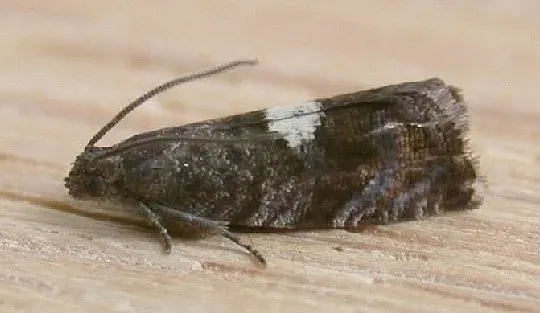
Description
How to identify
The genus Pammene belongs to the Tortricidae family, commonly known as leafrollers or fruit moths. These are small moths with a wingspan ranging from 10 to 15 mm, often featuring subtle metallic patterns on their forewings that help them blend in with bark.
The larvae are typically pale or pinkish with a distinct, often darker-colored head capsule. They spend the majority of their developmental stage hidden inside plant tissues, making them difficult to detect until significant damage has occurred.
The life cycle involves complete metamorphosis, consisting of four distinct stages: egg, larva, pupa, and adult. Hibernation occurs primarily in the larval stage, tucked away in protective silk cocoons within bark crevices.
Adult moths are generally active in the spring and early summer, with emergence patterns often synchronized with the phenology of their host plants, particularly the blossoming of fruit trees.
Species within the Pammene genus exhibit a high degree of specialization, with some targeting specific fruit types, while others focus on different parts of the tree, including buds and stems.
What it damages
Pammene species are notorious for damaging various fruit-bearing trees, including apple, pear, plum, and other Rosaceae species. The primary damage is caused by the larvae feeding inside the fruit.
As the larvae bore into the fruit, they leave entry holes and internal tunnels that compromise the structure and quality of the produce, often leading to premature fruit drop.
Internal feeding not only ruins the fruit for commercial purposes but also provides an entry point for various pathogens, including fungi and bacteria, which cause rot to spread rapidly throughout the harvest.
In addition to direct fruit damage, certain species affect young shoots. This feeding behavior can stunt growth, lead to apical dieback, and create structural deformities in developing trees.
In high-density orchard environments, an uncontrolled infestation can result in substantial economic losses, significantly reducing both the quantity and quality of the yield.
Control measures
Effective management of Pammene requires an integrated pest management (IPM) strategy that combines monitoring, physical control, and chemical interventions.
Sanitation is a cornerstone of control: removing and disposing of infested fruit immediately prevents the next generation of larvae from completing their life cycle and returning to the tree.
Monitoring using pheromone traps is essential for tracking moth populations and ensuring that insecticide applications are timed correctly to coincide with the most vulnerable developmental stages.
- Regular orchard scouting to detect early signs of larvae activity.
- Bark cleaning during the dormant season to remove overwintering larvae sites.
- Targeted application of biological insecticides during the peak of egg-laying or larval hatching.
- Encouraging natural predators such as parasitic wasps and predatory birds to reside in the orchard.
Maintaining healthy tree vigor through proper pruning and irrigation ensures that trees can better withstand or recover from minor pest pressures.
Taxonomy
- Latin name
- Pammene
- Order
- Lepidoptera (butterflies)
- Family
- Tortricidae
- EPPO code
- PAMMSP
Discussion
No discussions yet — be the first.