
Palloptera usta
Palloptera usta
Description
How to identify
Palloptera usta is an insect species of the order Diptera, belonging to the family Pallopteridae. These are small flies that often go unnoticed due to the secretive lifestyle of the adults.
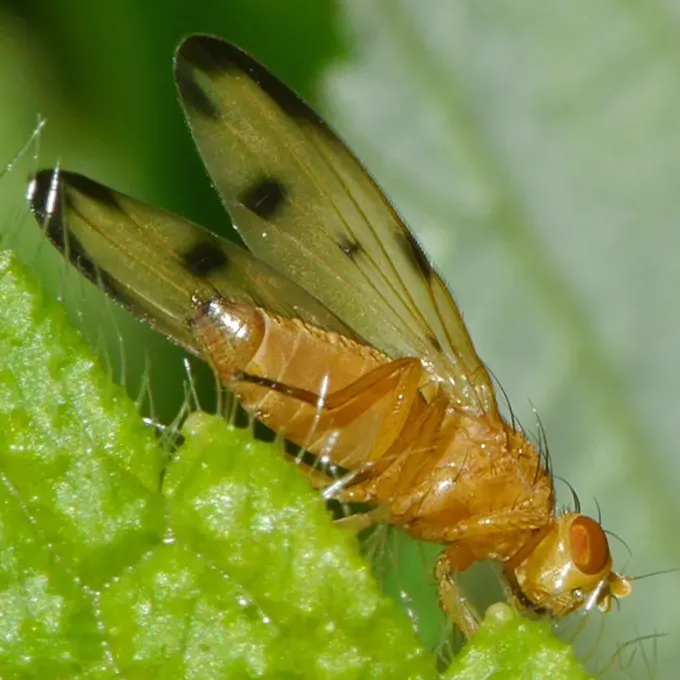
Externally, adults are characterized by distinct dark markings on their wings, which is typical for members of this family. The body is usually grayish or brownish, providing effective camouflage against tree bark.
The larvae of this pest are typical legless maggots, usually whitish or yellowish. They possess mouthparts adapted for feeding on succulent plant tissues and tree sap.
The biology of the species is linked to woody plants. Adult flies are active during the warmer months, leading a predominantly crepuscular or diurnal lifestyle.
Systematically, this species belongs to a group of pests whose larvae often reside in damaged tissues or under the bark of trees, frequently utilizing galleries created by other wood-boring insects.
What it damages
The primary hosts are various deciduous trees, including fruit-bearing cultivars. The pest often colonizes weakened specimens where the integrity of the bark has been compromised.
The larvae tend to feed in areas of mechanical damage, frost cracks, or galleries left by primary stem pests such as bark beetles or wood-boring beetles.
Although Palloptera usta rarely acts as a primary aggressor, its presence exacerbates the tree's condition, preventing wound healing and promoting secondary infections.
In cases of heavy infestation, larvae may expand the necrosis zone under the bark, leading to local death of the cambium and phloem layers.
The economic impact of this pest lies in the indirect damage caused, as it facilitates the spread of fungal and bacterial pathogens through the damaged plant tissues.
Signs of infestation
The first sign of the pest's presence is sap flow (bleeding) from cracks and wounds on tree trunks during the spring and summer periods.
Near the damage sites, one can often find larval frass or characteristic entry holes, frequently surrounded by gum or sap streaks.
The presence of adult flies on the bark surface during the day may indicate an active phase of egg-laying into existing wounds.
A general decline in the tree's condition, yellowing of foliage in the canopy, and reduced shoot growth can be indirect indicators of stem infestation.
- dark spots on the wings of adult flies;
- larvae congregating under loose bark;
- sticky sap streaks on the trunk;
- distinctive odor originating from decaying wood areas.
Control measures
The primary measure of protection is maintaining high sanitary standards in the orchard and timely treatment of any mechanical bark damage.
Regular cleaning of dead bark and disinfection of wounds using garden varnish or copper-based antiseptic preparations is essential.
It is important to limit the access of primary pests that create conditions for Palloptera usta infestation by conducting planned insecticide treatments.
The use of sticky traps or bark traps can be an effective method for catching adult insects and monitoring their population density in the garden.
Proper fertilization and irrigation of trees increase their resistance, making them less attractive to this type of secondary pest.
Taxonomy
- Latin name
- Palloptera usta
- Order
- Diptera (flies)
- Family
- Pallopteridae
- EPPO code
- PALLUS
Discussion
No discussions yet — be the first.