
Pagiocerus fiorii
Pagiocerus fiorii
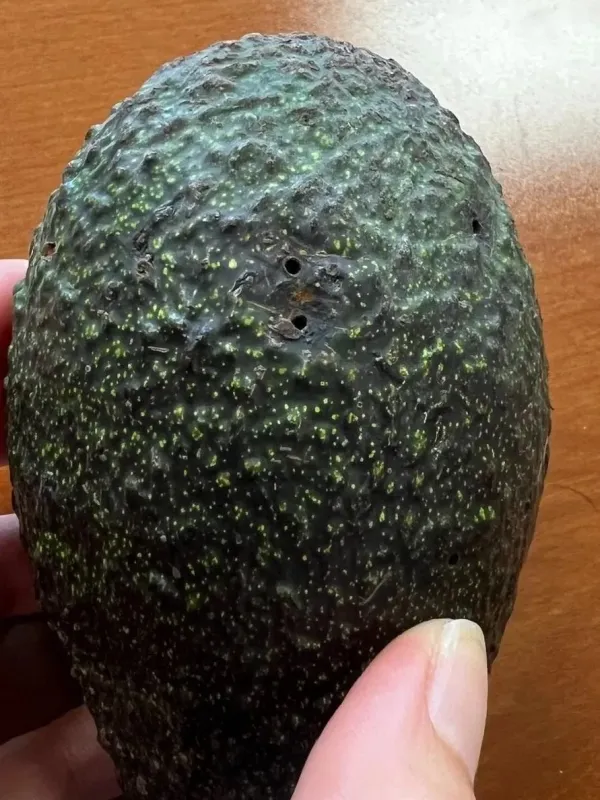
Description
How to identify
Pagiocerus fiorii is a small beetle belonging to the Curculionidae family and the Scolytinae subfamily. The adult insect is typically cylindrical in shape, measuring between 2 and 3 millimeters in length.
Its coloration is generally dark brown or black, which aids in camouflage within stored grain environments. The beetle exhibits morphology consistent with other wood-boring insects, including a concealed head beneath the pronotum.
The larvae are white, legless, and spend their entire developmental cycle buried within the host grain or kernel, making them difficult to detect without specialized inspection.
Identification often requires microscopic analysis of antennal structures and elytral patterns to differentiate Pagiocerus fiorii from other stored product pests that share similar habitats.
The species is highly adaptable, capable of surviving in various environments as long as moisture and temperature conditions support the metabolic requirements of the larvae.
What it damages
The primary host of Pagiocerus fiorii is maize (corn). It causes significant damage to both standing crops in the field and harvested grain stored in silos.
While corn is the preferred food source, the beetle can infest other cereals and legumes if preferred hosts are unavailable, highlighting its role as a versatile pest.
In field conditions, the insect typically targets ears that have already suffered from environmental stress or secondary damage caused by other primary insect pests.
Within storage facilities, Pagiocerus fiorii creates extensive galleries inside individual kernels, resulting in severe weight loss and destruction of the grain quality.
Infestations often lead to secondary problems, including the proliferation of mold and fungal infections, which further degrade the grain's commercial and nutritional value.
When it appears
In field environments, the beetle's activity is synchronized with the maturation of corn, as insects gravitate toward kernels during the dough and maturity stages.
Inside storage facilities, the insect is not restricted by seasonal cycles and can reproduce continuously provided that ambient conditions remain conducive to development.
Mass reproduction usually peaks during warmer months, when temperatures inside the grain mass reach optimal levels for the rapid development of successive generations.
During cooler periods, the development rate significantly decreases; however, the pest can remain in a state of low activity, ready to resume reproduction once conditions improve.
Climate control in professional storage facilities is essential to prevent the beetle from taking advantage of seasonal heat fluctuations to expand its population.
Signs of infestation
The most common sign of an infestation is the presence of minute entry holes on the surface of corn kernels, often surrounded by powdery grain dust.
Upon opening damaged kernels, one may find internal cavities where larvae feed, along with the presence of frass (excrement) mixed with grain debris.
- Increased temperature readings within stored grain heaps.
- Development of a musty, off-odor indicating mold growth.
- Accumulation of fine flour-like dust at the bottom of storage bags or bins.
Field infestations are identified by discolored patches on the husks and deformed kernels, which indicate that the beetle has penetrated the protective layers.
Secondary infections, such as rapid fungal growth on damaged grains, are often a visual indicator that the structural integrity of the crop has been compromised by the pest.
Control measures
Strict quarantine protocols are the first line of defense to prevent the introduction of Pagiocerus fiorii into regions where it is not yet established.
Effective management in silos requires professional fumigation to penetrate the grain mass and eliminate hidden larval stages residing within the kernels.
Maintaining low grain moisture content is critical, as dry environments inhibit the development of larvae and reduce the overall reproductive success of the beetle.
Regular inspection and the use of insect traps allow for early detection, enabling farmers to isolate infested batches before the pest spreads throughout the facility.
Cooling the stored grain to temperatures that suppress insect metabolism is a standard and effective preventative measure to maintain high-quality grain stocks.
Taxonomy
- Latin name
- Pagiocerus fiorii
- Order
- Coleoptera (beetles)
- Family
- Curculionidae
- EPPO code
- PAGIFI
Discussion
No discussions yet — be the first.