
Pachypappella
Pachypappella
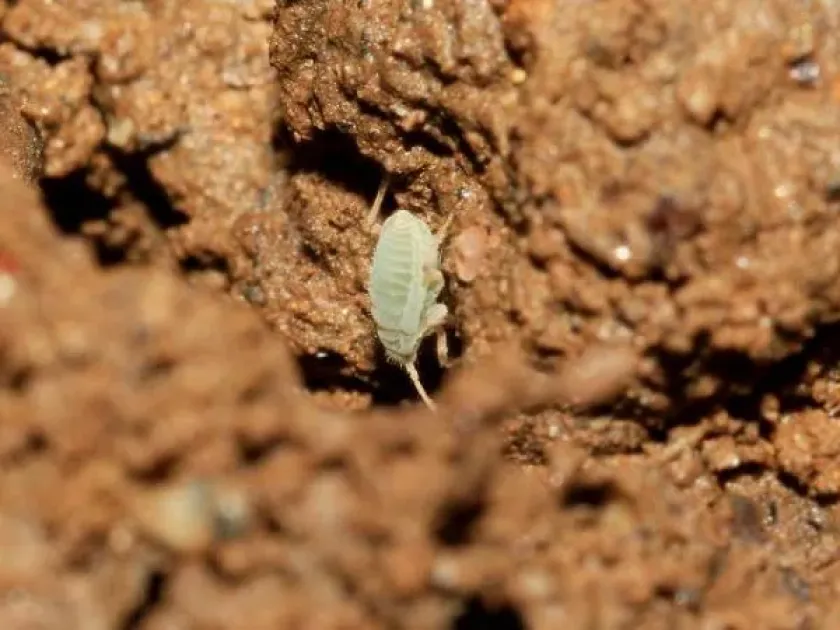
Description
How to identify
Pachypappella is a genus of aphids belonging to the family Aphididae, known for their specific host associations with coniferous trees, particularly spruce.
These pests are typically small and often covered in a waxy, woolly substance that provides protection against environmental stressors and predators.
They are characterized by a complex life cycle, which often involves alternating between different parts of the tree or different host species.
Taxonomically, they are recognized as significant pests because they induce morphological changes in the host plant tissues during their feeding process.
Identifying this genus often requires specialized entomological equipment to examine morphological features such as the structure of the antennae and siphunculi.
What it damages
The primary damage is caused to spruce trees, where the feeding activity of the aphids leads to significant tissue deformation.
By sucking the sap from young shoots and needles, these insects weaken the tree, making it susceptible to other environmental stressors.
The aphids inject salivary enzymes into the plant tissue, which causes the needles to twist, curl, or develop abnormal growth patterns.
Prolonged infestations can result in the premature shedding of needles and a significant reduction in the tree's overall aesthetic and biological health.
Severe cases may cause dieback of smaller branches, creating entry points for secondary pests like bark beetles, which can ultimately kill the tree.
When it appears
Pachypappella typically emerges in early spring, synchronized with the onset of the tree's sap flow, as overwintered eggs begin to hatch.
The population reaches its peak during the summer months, a period characterized by the production of winged individuals that migrate to colonize new hosts.
As autumn approaches, the aphids prepare for winter, with fertilized females laying eggs on the bark and near the buds of host trees.
The winter stage is spent as dormant eggs, a survival strategy that allows the species to withstand freezing temperatures in colder climates.
Environmental variables such as temperature and humidity significantly influence the timing of emergence and the density of the aphid population each year.
Signs of infestation
A key sign of infestation is the presence of distorted, curled, or stunted needles on the new growth of spruce trees.
White, cotton-like secretions found on the twigs and base of the needles are highly indicative of an active Pachypappella colony.
Yellowing or premature browning of needles indicates nutrient loss due to the sustained feeding of the aphid population.
The presence of large numbers of ants tending to the trees is a strong indicator of aphid presence, as ants feed on the honeydew produced by the pests.
General thinning of the canopy and a lack of annual growth increments are late-stage signs that the tree is under heavy pest pressure.
Control measures
Integrated pest management starts with cultural practices, such as ensuring proper spacing between trees to improve airflow and reduce humidity.
Systemic insecticides are generally the most effective method for control, as they are absorbed into the plant and act directly on the sap-feeding insects.
Timely application of pesticides during the early spring, coinciding with egg hatch, is critical for breaking the pest's life cycle before significant damage occurs.
Managing ant colonies around the base of the trees helps to expose the aphids to their natural predators, such as lady beetles and lacewings.
Biological control methods, including the preservation of native predator populations, provide a sustainable way to keep aphid numbers below economic thresholds.
Taxonomy
- Latin name
- Pachypappella
- Order
- Hemiptera (bugs, aphids, leafhoppers)
- Family
- Pemphigidae
- EPPO code
- PACASP
Discussion
No discussions yet — be the first.