
Otiorhynchus laevigatus
Otiorhynchus laevigatus
Description
How to identify
Otiorhynchus laevigatus, commonly known as a type of root weevil, belongs to the Curculionidae family and is a significant threat to various agricultural and ornamental crops.
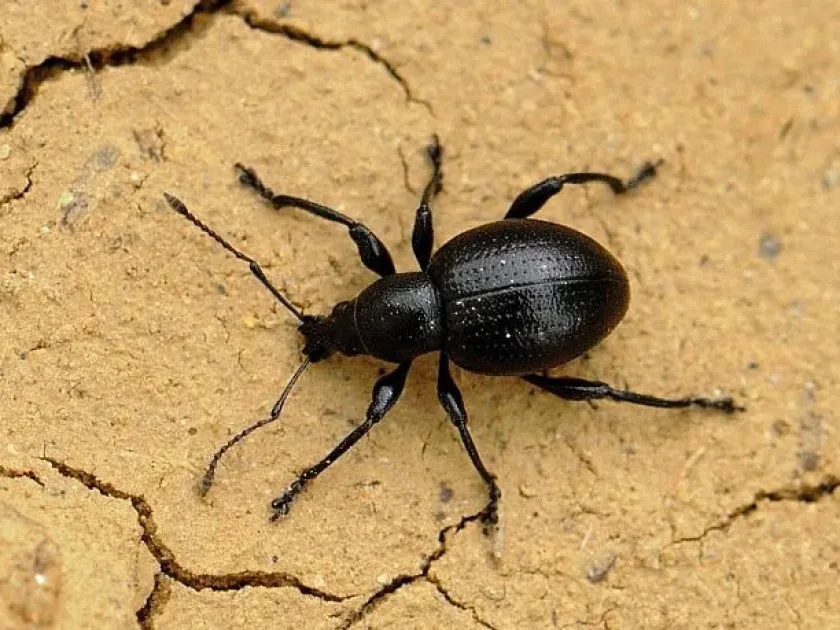
Adult weevils typically measure between 8 and 11 mm in length, featuring a robust, pear-shaped body with a dark brown to black, relatively smooth exoskeleton.
These insects are nocturnal by nature, spending their daylight hours hidden beneath debris, mulch, or deep within the soil profile, making them difficult to spot during daytime field surveys.
The larvae are legless, C-shaped grubs with creamy white bodies and distinct brownish head capsules, specifically adapted to feed underground on the root systems of host plants.
Accurate identification is crucial for effective management, as distinguishing this species from other Otiorhynchus members often requires examining the texture of their elytra and snout characteristics.
What it damages
The damage caused by this species is twofold: adults feed on foliage, while the larvae cause far more severe, sometimes fatal, damage by feeding on root tissues.
Adult feeding results in characteristic notches on leaf margins, which, while aesthetically displeasing and potentially reducing plant vigor, are rarely lethal to established plants.
Larval feeding, however, involves the destruction of small rootlets and larger root structures, leading to compromised nutrient and water uptake by the host plant.
Severely infested plants often show signs of wilting, chlorosis, and stunted growth, eventually collapsing entirely once the root system is sufficiently destroyed by the larval population.
High infestations in commercial nurseries can lead to catastrophic losses, as the destruction of root systems makes plants unsuitable for sale or long-term cultivation.
When it appears
The life cycle is heavily influenced by soil temperature and moisture levels, with adult emergence typically starting in late spring as temperatures rise.
Eggs are laid in the soil near the base of host plants, where larvae hatch and immediately begin feeding on root tissues as they progress through several growth stages.
The larval stage is the longest part of the life cycle, usually lasting throughout the summer and autumn months until they enter a deeper soil layer to overwinter.
Pupation takes place in earthen chambers formed in the soil during early spring, after which the new generation of adult weevils emerges to repeat the cycle.
While the cycle is primarily annual, variations in environmental conditions can sometimes lead to overlapping generations or delayed development over two years in specific climates.
Signs of infestation
The most visible sign of an adult infestation is the presence of irregular, notched feeding patterns along the edges of leaves, caused by the beetles’ nocturnal feeding habits.
Plant distress, including sudden wilting and yellowing of foliage despite regular irrigation, is a primary indicator of significant root damage caused by larvae.
When investigating, plants affected by heavy root feeding can often be lifted easily from the soil, revealing a root system that has been partially or entirely consumed.
The discovery of C-shaped white larvae in the soil around the root zone, particularly during soil disturbances or replanting, confirms the presence of the pest.
- Notched leaf margins (a hallmark of weevil feeding)
- Unexplained plant wilting and poor vigor
- Easy detachment of plants from the soil
- Presence of creamy white larvae in the root zone
Control measures
Integrated Pest Management (IPM) is essential for controlling this pest, combining cultural practices with biological and chemical interventions as needed.
Cultural methods, such as regular soil cultivation around host plants, can disrupt the pupal stage and expose larvae to predators like birds and ground beetles.
Biological control using entomopathogenic nematodes, such as those from the Heterorhabditis or Steinernema genera, is highly effective when applied to moist soil targeting the larval stage.
Chemical control against adults should be applied in the evening, as this is when the beetles emerge to feed on foliage, ensuring better contact with the insecticide.
Monitoring using traps or examining nocturnal activity can help determine the optimal timing for interventions, significantly reducing the impact of the pest on plant health.
Taxonomy
- Latin name
- Otiorhynchus laevigatus
- Order
- Coleoptera (beetles)
- Family
- Curculionidae
- EPPO code
- OTIOLA
Discussion
No discussions yet — be the first.