
Root weevil
Otiorhynchus corruptor
Description
How to identify
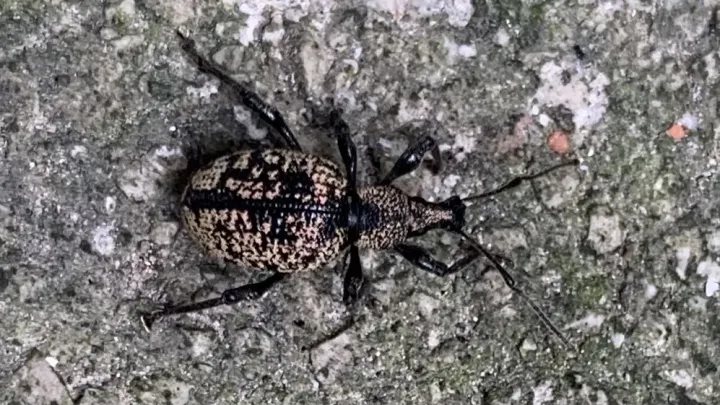
The root weevil (Otiorhynchus corruptor) belongs to the Curculionidae family. Adult beetles measure about 8–11 mm in length and possess a characteristic dark, textured body with a short, broad snout.
The larvae are legless, C-shaped, and creamy white with a brownish head capsule. They live exclusively in the soil, which makes them difficult to monitor until significant damage has already occurred.
These insects are primarily nocturnal. During the day, they hide beneath mulch, plant debris, or soil clods, which is a major factor in their ability to remain undetected for long periods.
The life cycle is typically univoltine, but development can be asynchronous depending on temperature and soil moisture. This staggered emergence makes it challenging to time chemical applications for maximum impact.
Reproduction is parthenogenic, meaning females can lay fertile eggs without mating with males. This biological trait allows the population to explode quickly once it becomes established in a new area.
What it damages
Adult weevils feed on the margins of leaves, creating notched or scalloped patterns. While this rarely kills the plant directly, it significantly reduces the plant's aesthetic value and its photosynthetic capacity.
The larvae are far more destructive than the adults. They feed on roots, often stripping the bark of larger roots and consuming entire rootlets, which severely compromises the plant's water and nutrient uptake.
Affected plants include a wide variety of ornamental shrubs, perennial flowers, strawberries, and nursery stock. Once the root system is damaged, plants become highly susceptible to drought and pathogen attacks.
In nurseries, the presence of root weevils can lead to massive economic losses due to the wilting and death of young plants. In many cases, by the time symptoms are visible, the root system is already severely compromised.
- Notched leaf edges caused by adult feeding.
- Wilting and stunted growth due to larval root consumption.
- Yellowing of foliage despite adequate irrigation.
- Collapse of plants when root systems are completely destroyed.
When it appears
Adult activity begins in late spring as soil temperatures rise. They emerge from their overwintering sites in the soil to feed on foliage and begin the process of egg-laying in the root zone.
Throughout the summer, eggs hatch into larvae, which immediately begin feeding on roots. This subterranean phase is the most critical time for population development and plant stress.
Larvae continue to feed throughout the late summer and early autumn. As soil temperatures drop in late autumn, they move deeper into the soil profile to avoid freezing and survive the winter.
Overwintered adults can also be found in soil debris, and they may resume feeding on foliage during warmer spells in the early spring, creating a cycle of persistent pressure on the host plants.
Monitoring should be most intense from late spring through mid-summer, when the adults are active above ground and susceptible to contact insecticides.
Signs of infestation
The most recognizable sign of adult infestation is the characteristic scalloped leaf margins. Examining leaves with a flashlight at night is the most effective way to confirm the presence of adults.
Plants that wilt during the heat of the day but recover at night often indicate larval feeding on the roots. This temporary wilting is a classic symptom of poor water transport due to root damage.
In nursery or greenhouse settings, sudden loss of plant vigor or death should trigger an inspection of the root ball. Carefully knocking the plant out of its container may reveal larvae in the soil.
Soil disturbance or small exit holes on the soil surface can sometimes be seen, although these are rarely reliable indicators of the extent of the infestation.
Significant unevenness in growth between plants of the same age and variety in the same plot is a strong indicator of a localized root weevil infestation.
Control measures
Integrated pest management (IPM) is essential for effective control. Cultural practices like soil cultivation and removal of weeds help disrupt the habitat of both adults and larvae.
Biological control using entomopathogenic nematodes (e.g., Heterorhabditis species) is highly effective when applied to moist, warm soil. These microscopic worms actively seek out and infect the larvae.
Chemical control usually involves nighttime application of systemic or contact insecticides to the foliage to target adults before they can lay eggs. Proper timing with the nocturnal peak is crucial.
For high-value plants, insect growth regulators or targeted soil drenches can provide longer-lasting suppression of the larval population in the root zone.
Sanitation is key; always ensure that new plant material is free from larvae before introducing it into your garden or greenhouse to prevent the spread of this persistent pest.
Taxonomy
- Latin name
- Otiorhynchus corruptor
- Order
- Coleoptera (beetles)
- Family
- Curculionidae
- EPPO code
- OTIOCO
Discussion
No discussions yet — be the first.