
Otiorhynchus armatus
Otiorhynchus armatus
Description
How to identify
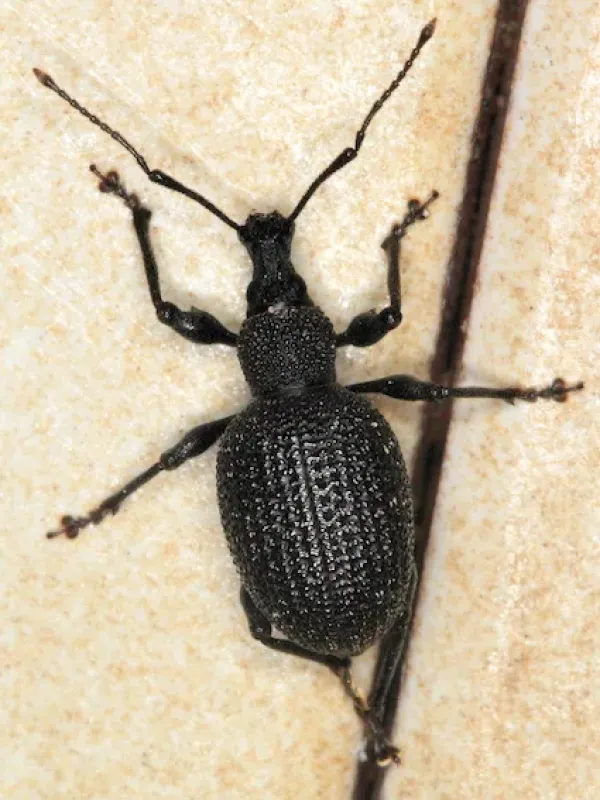
Otiorhynchus armatus is a species of snout beetle belonging to the family Curculionidae. These beetles are characterized by a robust, oval body that typically measures between 6 and 9 mm in length.
The adult beetle possesses a dark, often black or deep brown coloration, with a body texture that may be covered in fine, microscopic scales. A diagnostic feature, as the name suggests, is the presence of distinctive femoral teeth on the legs of the males.
The larvae are classic curculionid grubs: they are legless, creamy-white in color, and have a distinct, hardened brown head capsule. They spend their entire developmental period underground, feeding on the root systems of various host plants.
Adult beetles are nocturnal, spending the daylight hours hiding under debris, leaves, or within the soil surface layers, which makes them difficult to observe during routine garden inspections.
The species displays a complex biological cycle where adults focus on foliage consumption while the subterranean larvae exert the most significant physiological stress on the plant.
What it damages
Otiorhynchus armatus is considered a polyphagous pest, meaning it attacks a wide range of host plants, including essential agricultural crops, small fruits, and ornamental species.
The adults feed on leaves, creating irregular, scalloped-shaped notches along the leaf margins. While unsightly, this foliage damage is usually less destructive than the impact of the larval stage.
The larvae are highly destructive because they consume fine feeder roots and may strip the bark from the root collar. This activity severely inhibits the plant's ability to uptake water and essential nutrients.
Plants infested by these larvae often show signs of stunted growth, chlorosis, and general decline. In severe cases, the root system is entirely destroyed, leading to the rapid death of the plant.
Secondary infections, such as root rot or pathogenic fungi, often enter through the wounds created by the larval feeding, further complicating the recovery of the affected vegetation.
When it appears
The lifecycle of Otiorhynchus armatus generally spans one year, though it can be extended depending on environmental conditions. Overwintering typically occurs as larvae tucked deep within the soil.
As soil temperatures rise in the spring, the larvae resume feeding and complete their development. Pupation occurs within the soil, usually resulting in the emergence of new adults during late spring or early summer.
Adult activity peaks during the summer months when they feed at night and deposit eggs into the soil near the root zones of suitable hosts. By late summer, the new generation of larvae begins to develop.
The timing of these stages can fluctuate significantly based on local climate, soil moisture, and temperature patterns, making consistent monitoring essential for successful control.
Larval activity tends to intensify in the autumn as they feed vigorously before preparing for the winter dormancy period.
Signs of infestation
The most visible sign of an Otiorhynchus armatus infestation is the characteristic notched leaf edges. If you see this pattern, especially on plants like strawberries or vines, it is a strong indicator of weevil presence.
Unexpected daytime wilting, particularly in otherwise healthy-looking plants that receive adequate water, is a classic warning sign of larval root damage.
- Gradual loss of plant vigor or thinning of foliage density.
- The presence of adult beetles near the base of the plant during night-time inspections using a flashlight.
- Easy uprooting of the plant due to lack of a functional root system.
In cases of heavy infestation, you may notice clusters of plants showing signs of decline simultaneously, as the pest population moves through the soil.
Excavating the soil around the root zone of a wilted plant often reveals the C-shaped, legless larvae, confirming the diagnosis.
Control measures
Effective control of Otiorhynchus armatus requires an integrated management approach, as the pest's subterranean lifestyle protects it from many conventional treatments.
Cultivation practices such as deep hoeing or tilling the soil during the pupation period can physically destroy the developing larvae and pupae, significantly reducing the population.
Chemical control focuses on the adults; using contact or systemic insecticides applied to foliage in the evening can significantly reduce the egg-laying population.
Biological control using entomopathogenic nematodes applied to the soil has proven highly effective. These microscopic worms seek out and infect the larvae, providing a safer alternative to synthetic pesticides.
Prevention remains the best strategy: ensure that all nursery stock is inspected before planting to avoid introducing the pest into clean soil areas.
Taxonomy
- Latin name
- Otiorhynchus armatus
- Order
- Coleoptera (beetles)
- Family
- Curculionidae
- EPPO code
- OTIOAA
Discussion
No discussions yet — be the first.