
Aardvark
Orycteropus
Description
How to identify
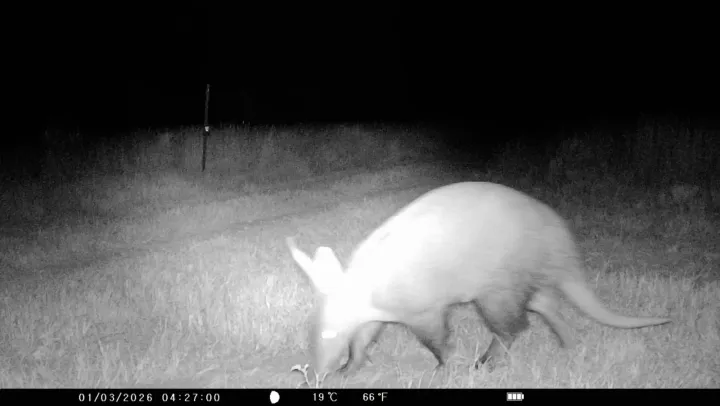
The aardvark (Orycteropus afer) belongs to the order Tubulidentata and is a unique nocturnal mammal native to Africa. It is the only living species in its entire order.
Its physiological traits include strong claws adapted for digging, which are highly efficient for excavating burrows in hard soil. These burrows can be several meters long.
Taxonomically, the aardvark is isolated, showing no close evolutionary relationships with other mammals, which distinguishes it from typical agricultural pests.
The diet of an aardvark consists almost exclusively of ants and termites, meaning it does not feed on vegetation or crops in any stage of its life cycle.
While the aardvark is a vital part of the ecosystem as a predator of insects, its presence in managed agricultural landscapes is often considered a disruption rather than a biological threat.
What it damages
The damage caused by aardvarks is primarily structural. By digging deep burrows, they can destabilize the soil architecture required for healthy root growth in orchards.
Farm machinery can be severely damaged or become stuck if it runs over areas where aardvark burrows have created voids under the soil surface, leading to uneven terrain.
The tunneling activity may inadvertently sever subterranean irrigation lines, leading to water loss and inconsistent moisture distribution across the cultivated land.
The removal of soil during excavation can lead to localized erosion and nutrient displacement, which might necessitate additional soil leveling and fertilization efforts.
Abandoned burrows create habitats for secondary pests, such as rats or other rodents, which are far more damaging to crops than the aardvark itself.
Control measures
Control strategies for the aardvark should strictly focus on deterrence and exclusion, as they are often protected animals in many regions of their habitat.
Installing underground fencing is the most reliable way to prevent aardvarks from entering sensitive agricultural plots such as nurseries or orchards.
Non-lethal acoustic deterrents or motion-activated light sensors can effectively discourage aardvarks from entering farm fields during their peak nocturnal activity periods.
Filling in empty burrows promptly helps prevent the secondary colonization by harmful rodents and restores the integrity of the soil for agricultural use.
Maintaining natural habitats surrounding farmlands can encourage aardvarks to remain away from cultivated crops, ensuring a balance between agriculture and local wildlife.
Taxonomy
- Latin name
- Orycteropus
- Family
- Orycteropidae
- EPPO code
- ORYKSP
Discussion
No discussions yet — be the first.