
Orthotaenia
Orthotaenia
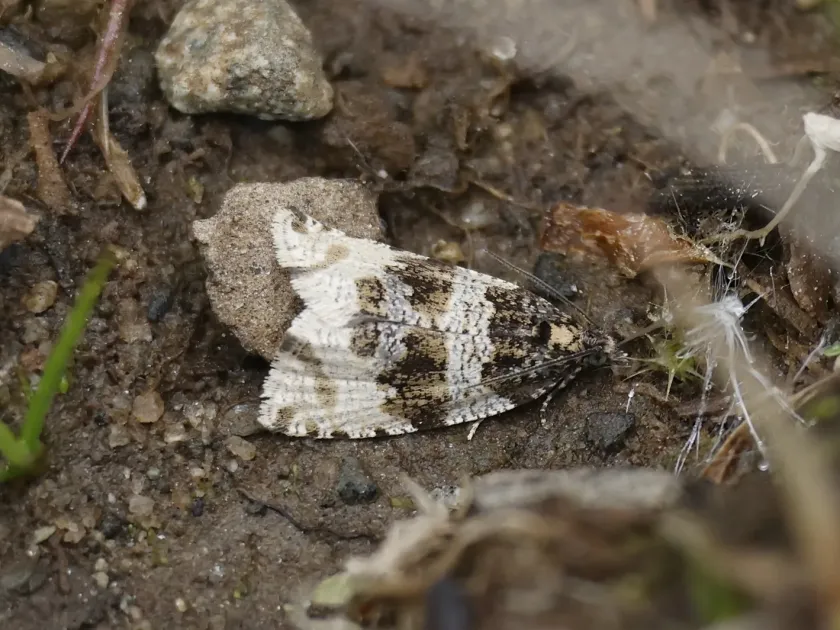
Description
How to identify
Orthotaenia is a genus of moths belonging to the family Tortricidae, commonly known as leafrollers. These small moths typically feature intricate, cryptic patterns on their wings, providing camouflage against tree bark and foliage during the day.
The larvae, or caterpillars, are typically brownish or greenish with a dark, sclerotized head capsule. They exhibit a classic leafroller defense mechanism: when disturbed, they rapidly drop from the foliage on a silken thread to escape predators.
The genus includes species such as Orthotaenia undulana. Adults are primarily nocturnal or crepuscular, spending daylight hours hiding in dense vegetation or crevices in the bark of their host trees.
The life cycle involves complete metamorphosis, consisting of the egg, larva (caterpillar), pupa, and adult stages. Most species overwinter as young larvae within protective cocoons constructed in sheltered areas of the host plant.
Adult flight usually begins in late spring or early summer, synchronized with the bud burst of host plants. Females deposit eggs on the undersides of leaves, ensuring that hatching larvae have immediate access to a food source.
What it damages
This pest is a polyphagous insect, capable of feeding on a wide range of horticultural crops. Common hosts include currants, raspberries, apple trees, and various ornamental shrubs found in home and commercial gardens.
Damage is caused by larvae that feed on developing buds, fresh leaves, and flowers. By spinning silk, the caterpillars pull leaves together into tight clusters or rolls, creating a safe feeding environment protected from environmental factors and natural enemies.
Heavy infestations can lead to significant defoliation, which severely reduces the plant's photosynthetic capacity. This stress directly affects the plant's vigor and its ability to store energy for the subsequent growing season.
Flowers and young fruit are often damaged or aborted, resulting in immediate yield losses. Furthermore, the feeding sites often become entry points for secondary pathogens, such as fungi and bacteria, which can cause further tissue decay.
Young trees and shrubs are particularly susceptible to stunted growth due to the damage of terminal buds. Repeated attacks over consecutive seasons can permanently distort the shape of the plant and reduce its cold hardiness.
Signs of infestation
The most recognizable sign of an Orthotaenia infestation is the presence of tightly rolled or folded leaves held together by silk webbing. Opening these structures usually reveals the caterpillar or its dark frass.
Look for webbing on terminal shoots and tips of branches. This webbing often traps debris and frass, making it easy to spot during regular garden inspections. Damaged leaves may appear skeletonized or have irregular holes.
In early spring, examine the buds of susceptible plants. Infested buds may fail to open or appear desiccated, having been hollowed out by the feeding activity of the overwintered larvae before the foliage fully develops.
- Tightly rolled leaves connected by silk webbing.
- Deformed terminal shoots and stunted apical growth.
- Presence of larval frass within silk-bound leaves.
- Premature drop of buds, blossoms, or young fruit.
- Skeletonized patches on the leaf surface.
Pheromone traps are an excellent tool for monitoring the arrival of adult moths. Proper timing of these traps allows for the early detection of population increases and helps time control measures effectively.
Control measures
Cultural control practices focus on sanitation. Collecting and destroying fallen leaves in the autumn removes vital overwintering sites for pupae and larvae. Pruning and disposing of infested shoots during the season is also highly recommended.
Biological control options involve the use of Bacillus thuringiensis (Bt) based formulations. These bio-insecticides specifically target moth larvae, providing an effective control method that is safe for beneficial insects and pollinators.
Chemical control should be implemented if pest populations exceed established economic thresholds. Contact or systemic insecticides should be applied during the period of peak larval hatch to ensure maximum efficacy.
Always adhere to label instructions regarding pre-harvest intervals to ensure food safety. Avoid applying insecticides during bloom periods to prevent accidental poisoning of bees and other essential pollinators.
Applying sticky bands to tree trunks can help capture larvae that are migrating between different parts of the plant, further reducing the overall pest pressure and minimizing the need for broad-spectrum chemical interventions.
Taxonomy
- Latin name
- Orthotaenia
- Order
- Lepidoptera (butterflies)
- Family
- Tortricidae
- EPPO code
- ORTNSP
Discussion
No discussions yet — be the first.