
Odontopus
Odontopus
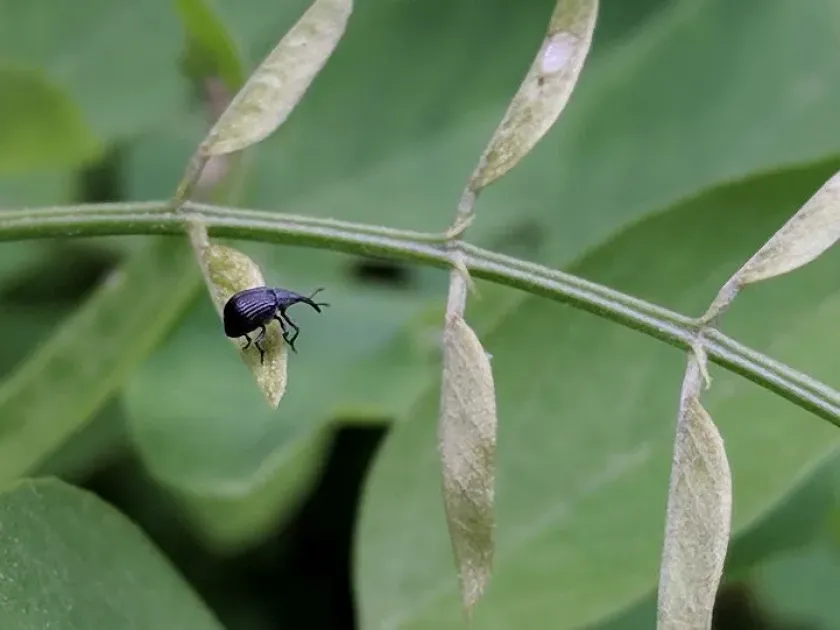
Description
How to identify
Odontopus is a genus of insects belonging to the family Pyrrhocoridae, within the order Hemiptera. These insects are widely known for their striking appearance, typically featuring vivid red, orange, and black patterns, which serve as an aposematic signal to warn potential predators.
The adult insect has an elongated to oval body structure. Equipped with specialized piercing-sucking mouthparts, these insects are highly adapted to feeding on the sap of plants, specifically targeting developing seeds and fruit pods where nutrients are highly concentrated.
The life cycle of Odontopus includes the egg, nymph, and adult stages. As hemimetabolous insects, their development does not include a pupal stage. Nymphs resemble miniature versions of adults but lack fully developed wings and reproductive organs until their final molt.
These insects prefer habitats where their host plants—most notably those from the Malvaceae family—are abundant. They are often found in large, gregarious clusters, which allows them to overwhelm the physiological defenses of the host plant more effectively.
Accurate identification of Odontopus species requires examination of morphological markers, such as antennal segment ratios and body proportions, as several species within the genus may share similar ecological niches and physical characteristics.
What it damages
Odontopus is recognized as a significant pest of various crops, with a particular affinity for cotton. Its feeding behavior directly impacts the reproductive success of the plant, often leading to yield losses in both quantity and quality.
By inserting their mouthparts into developing seeds, they extract proteins and lipids, leaving the seeds shriveled and non-viable. This loss of seed quality is devastating for crops grown specifically for oil production or planting material.
The feeding process creates puncture wounds that serve as entry points for various pathogens, including fungi and bacteria. This frequently leads to secondary rot, which can destroy the entire boll or fruit, rendering the agricultural product completely unmarketable.
Beyond seed damage, Odontopus feeding on shoots and leaves can induce necrotic lesions and growth retardation. This physiological stress makes the entire plant more susceptible to other biotic and abiotic environmental pressures.
Economic damage is usually quantified based on the density of insects per plant. Agronomists monitor these populations closely, as exceeding the economic threshold requires intervention to prevent catastrophic losses at the harvest stage.
When it appears
The seasonal activity of Odontopus is governed by ambient temperature and the availability of host plants. Emergence from overwintering sites typically occurs as temperatures rise during the spring months, marking the start of their reproductive activity.
The peak infestation period usually aligns with the fruit-set phase of the crop. During mid-summer, populations can explode as the availability of high-energy food sources (developing seeds) supports rapid growth and multiple overlapping generations.
Overwintering is achieved by adults, which seek shelter in leaf litter, crop debris, or soil crevices. These overwintering sites are critical for population survival, making sanitation practices an essential part of year-round management.
In regions with long growing seasons, Odontopus can complete several generations per year. The number of generations is a key factor in determining the potential intensity of the infestation and the necessary frequency of control measures.
As temperatures drop in autumn, the insects shift into a state of metabolic suppression known as diapause. They retreat into hidden environments, where they remain dormant until environmental cues signal the return of favorable conditions.
Signs of infestation
The most immediate sign of infestation is the presence of brightly colored adults and nymphs clustering on the stems, leaves, or fruit pods. Their high visibility makes visual inspection an effective, though labor-intensive, monitoring method.
Feeding sites appear as small, darkened, or sunken necrotic spots on the surface of fruit pods. These are visible scars resulting from the enzymes injected by the insect to break down plant tissues before ingestion.
Internal damage is characterized by discolored, dehydrated, or deformed seeds within the pods. When a crop is severely infested, the seeds may fail to germinate or yield a significantly lower quantity and quality of oil.
Accumulation of frass (insect excrement) on plant surfaces is a diagnostic indicator. This residue can coat foliage and fruit, potentially interfering with photosynthesis and reducing the overall health of the plant canopy.
Premature abscission (dropping) of buds and fruits is a common outcome of heavy feeding pressure. Observing these physiological symptoms usually indicates that the population has been feeding for an extended period, requiring immediate action.
Control measures
Management of Odontopus requires an Integrated Pest Management (IPM) approach that balances cultural, biological, and chemical strategies. The objective is to reduce the population pressure below the damage threshold throughout the growing season.
- Implement diverse crop rotation schedules to break pest life cycles.
- Eliminate Malvaceae weeds that serve as alternative hosts for the pest.
- Conduct deep autumn plowing to bury and destroy overwintering adults.
- Apply targeted insecticides during peak nymphal emergence for maximum impact.
- Utilize pheromone monitoring to time pesticide applications accurately.
Chemical control should be applied strictly according to regional labels and safety guidelines. Rotating insecticide classes is vital to prevent the evolution of resistance, which is a major challenge in managing hemipteran pests.
Monitoring field edges is crucial, as these areas often show signs of infestation first. Early detection allows for localized applications of treatments, significantly reducing the overall chemical footprint in the agroecosystem.
Encouraging natural biological control agents, such as predatory insects and entomopathogenic fungi, can help suppress Odontopus populations. Integrating these natural controls supports a more sustainable and resilient farming system.
Taxonomy
- Latin name
- Odontopus
- Order
- Coleoptera (beetles)
- Family
- Curculionidae
- EPPO code
- ODONSP
Discussion
No discussions yet — be the first.