
Rose tortrix
Notocelia rosaecolana
Description
How to identify
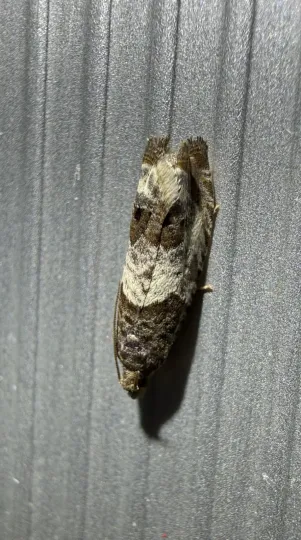
The rose tortrix (Notocelia rosaecolana) is a moth belonging to the family Tortricidae. The adult moth typically has a wingspan of about 15–18 mm and features mottled brown and grey patterns on its forewings.
The larvae, or caterpillars, reach lengths of up to 15 mm. They typically exhibit a greenish-brown body color with a distinct dark, often black, head capsule that serves as a diagnostic feature.
Pupation occurs within the folded leaves of the host plant. The pupae are brown and remain protected inside a silken web or cocoon until the adult moth emerges.
Eggs are minute, flat, and laid singly or in small clusters. They are predominantly deposited on the undersides of leaves, making them quite difficult to spot during routine garden inspections.
These moths undergo complete metamorphosis, with their lifecycle heavily synchronized with the growth stages of their host plants, particularly roses.
What it damages
The primary hosts for Notocelia rosaecolana are plants in the Rosaceae family, with cultivated garden roses and wild roses (briar) being the most susceptible.
Damage is caused exclusively by the larval stage. Caterpillars feed on newly emerged leaves, terminal buds, and developing flowers, which can severely stunt the plant's growth.
The larvae are known for rolling or tying leaves together using silken threads to create a protected shelter, which allows them to feed undisturbed while remaining hidden from predators.
Mass infestations can result in significant defoliation of the bush, significantly reducing the plant's overall vigor and aesthetic appeal throughout the growing season.
If the larvae penetrate the flower buds, the resulting blooms are often deformed, incomplete, or entirely destroyed, rendering the plant useless for ornamental purposes.
When it appears
The life cycle begins as overwintering larvae emerge from their cocoons in early spring, coinciding with the initial budding of rose plants.
Active feeding by the caterpillars peaks during the late spring and early summer months, usually spanning May and June, when the plant's foliage is most tender.
Adult moths typically fly and mate during the summer months, leading to the deposition of eggs that will initiate the cycle for the following year.
The rose tortrix generally produces one generation per year, though temperature fluctuations can occasionally influence the timing of emergence and development.
By late summer, the young larvae enter their overwintering stage, seeking refuge in crevices of bark or deep within the plant structure to survive the winter temperatures.
Signs of infestation
The most prominent sign of an infestation is the presence of curled or rolled leaves that are held together by silk webbing, forming a tube-like structure.
Accumulation of frass (caterpillar excrement) trapped within these rolled leaves is a definitive indicator that a larva is currently residing and feeding inside.
Affected flower buds may appear withered or show entry holes, indicating that the larvae have tunneled into the flower petals or reproductive organs.
Leaves may show a skeletonized appearance where the green tissue has been consumed, leaving only the tougher veins, which results in a distinct lacy pattern.
- Curled leaves tied together with silk;
- Holes or feeding tracks on flower petals;
- Stunted or twisted new growth on terminal shoots;
- Visible frass pellets on foliage.
Control measures
Management should begin with cultural practices, such as the manual removal and disposal of infested, rolled leaves as soon as they are spotted in the garden.
Biological control agents, including sprays containing Bacillus thuringiensis, are highly effective against young larvae and represent an environmentally friendly management option.
For severe outbreaks, systemic or contact insecticides may be necessary. It is important to apply these during the evening when caterpillars are most active to ensure better coverage.
Always ensure that the undersides of the leaves are thoroughly treated, as this is where the larvae spend the majority of their time while feeding and resting.
Good garden hygiene, including the clearing of debris around rose bushes in late autumn, helps destroy the wintering sites of the larvae and reduces next year's population.
Taxonomy
- Latin name
- Notocelia rosaecolana
- Order
- Lepidoptera (butterflies)
- Family
- Tortricidae
- EPPO code
- NOTCRS
Discussion
No discussions yet — be the first.