
Nicentrus weevil
Nicentrus
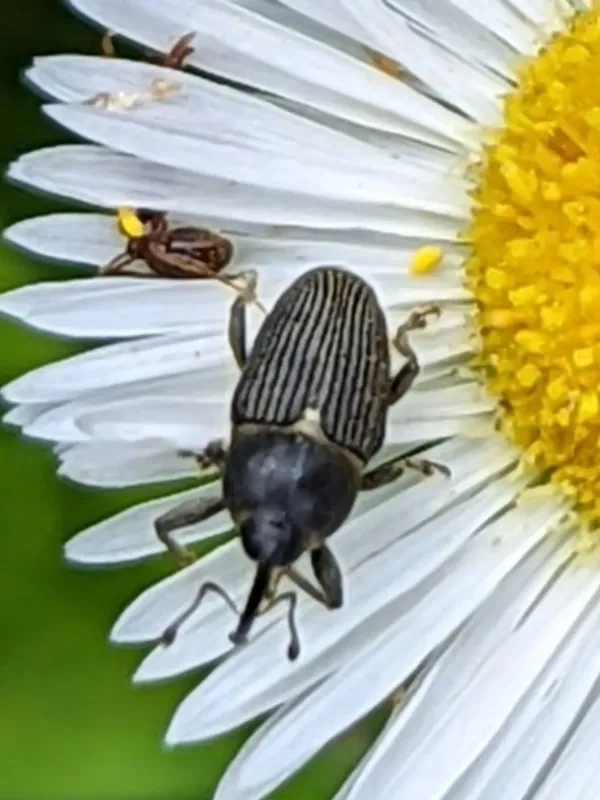
Description
How to identify
The Nicentrus weevil belongs to the Curculionidae family, within the order Coleoptera. These beetles are characterized by their distinct rostrum, which is a hallmark of the weevil group.
Adult insects are typically small, dark-colored, and have a robust body structure, allowing them to remain hidden among crop foliage or debris effectively.
Identification at the species level often involves a detailed examination of morphological characteristics, including the structure of the elytra and genital organs.
The larvae, which are typically legless and creamy-white, are specialized for internal feeding within plant stems or roots, making them difficult to detect early on.
As specialized phytophages, these beetles have evolved to thrive in agricultural environments, utilizing various herbaceous plants and cereal crops as hosts.
What it damages
The damage caused by Nicentrus is predominantly linked to larval feeding, which disrupts the vascular system of the host plant, leading to nutrient deficiency.
Adult beetles contribute to plant stress by feeding on leaves and stems, which creates entry points for secondary pathogens like fungi and bacteria to enter the plant.
In high-density infestations, the feeding activity leads to significant stunting and, in severe cases, the death of young seedlings or weakened plants.
The economic impact of this pest varies significantly depending on the timing of the infestation and the overall health of the agricultural crop being attacked.
Continued feeding in the stem can lead to a reduction in the harvestable yield, as the plant directs its energy toward repair rather than growth and grain filling.
When it appears
The seasonal activity of the Nicentrus weevil typically begins in the early spring, following the first significant warm temperatures that trigger adult emergence.
The peak life cycle often correlates with the active vegetative stage of crops, providing an abundant food supply for both adults and developing larvae.
Depending on the climatic zone, multiple generations can emerge during a single growing season, often linked to the duration of optimal heat and moisture levels.
As autumn approaches, adult beetles actively seek out overwintering sites, such as the base of plants, field edges, or organic matter left on the ground.
Winter survival is dependent on the availability of suitable shelter, and the population density in spring is directly related to the success of this overwintering phase.
Signs of infestation
Early symptoms of infestation often include small feeding punctures on the leaves, which are easily overlooked by inexperienced field scouts.
Wilting of specific shoots during the day, despite adequate moisture, is a strong indicator of internal damage caused by larval activity within the stem.
Patches of stunted or chlorotic plants in the field may indicate an underlying infestation, requiring closer investigation of the stems and roots.
Evidence of larval tunnels and frass inside the plant tissue provides definitive proof of a Nicentrus infestation when observed under dissection.
- Small feeding holes on young foliage.
- Unexplained wilting of stems or shoots.
- Presence of galleries and debris within the stem.
Control measures
Effective management requires a multi-faceted approach, starting with sound agronomic practices to reduce the pest's environment and food sources.
Sanitation practices, including the destruction of weeds and alternative hosts, are critical to limiting the buildup of local populations near agricultural fields.
Crop rotation serves as a primary strategy to break the life cycle of the weevil, forcing the population to move or perish due to the lack of preferred host plants.
Chemical control, using systemic insecticides, should be implemented when monitoring indicates that the population threshold has been breached.
Deep plowing following the harvest helps expose overwintering adults to cold and predators, significantly reducing the pest pressure for the following planting cycle.
Taxonomy
- Latin name
- Nicentrus
- Order
- Coleoptera (beetles)
- Family
- Curculionidae
- EPPO code
- NICESP
Discussion
No discussions yet — be the first.